
CityXperiment: the programme that turned the city of Porto into an urban innovation playground
The Municipality of Porto has taken another firm step towards urban innovation with the launch of this programme, designed by Porto Digital and aligned with the city’s strategy for innovation and digital transition.
The programme challenged young innovators to collaborate directly with companies and municipal authorities, harnessing Porto’s dynamic ecosystem to drive experimentation and technological development in the city. CityXperiment enabled 23 participants from the 2024 edition of the European Innovation Academy (EIA) to test technological solutions in collaboration with four institutional partners from the city of Porto: Centro Hospitalar do Porto, Agência de Energia do Porto, Águas e Energia do Porto, and Domus Social. How? By challenging participants from nine different nationalities to explore and devise technological solutions for real-life urban challenges.
“We are certain that this is the way forward to transform and develop the city”,stated Filipe Araújo, Vice-President of Porto City Council, adding, “CityXperiment further strengthens the innovation strategy we have been implementing in the city.”








From the start of CityXperiment to XDay
The journey began in October 2024, when participants received challenges designed by the partners, gaining a clear understanding of the needs at hand and drawing upon frameworks presented during five workshops held in parallel as part of the programme.
In November, the students and recent graduates began developing their solutions – the AgileXSolution Guidebook – a practical resource aimed at tackling the identified challenges effectively, with a strong emphasis on agility, adaptability, and real-world application. In essence, it is a standout element of the programme, designed to not only encourage the implementation of the proposed solution by the partner entity, but also outline a clear action plan for execution.
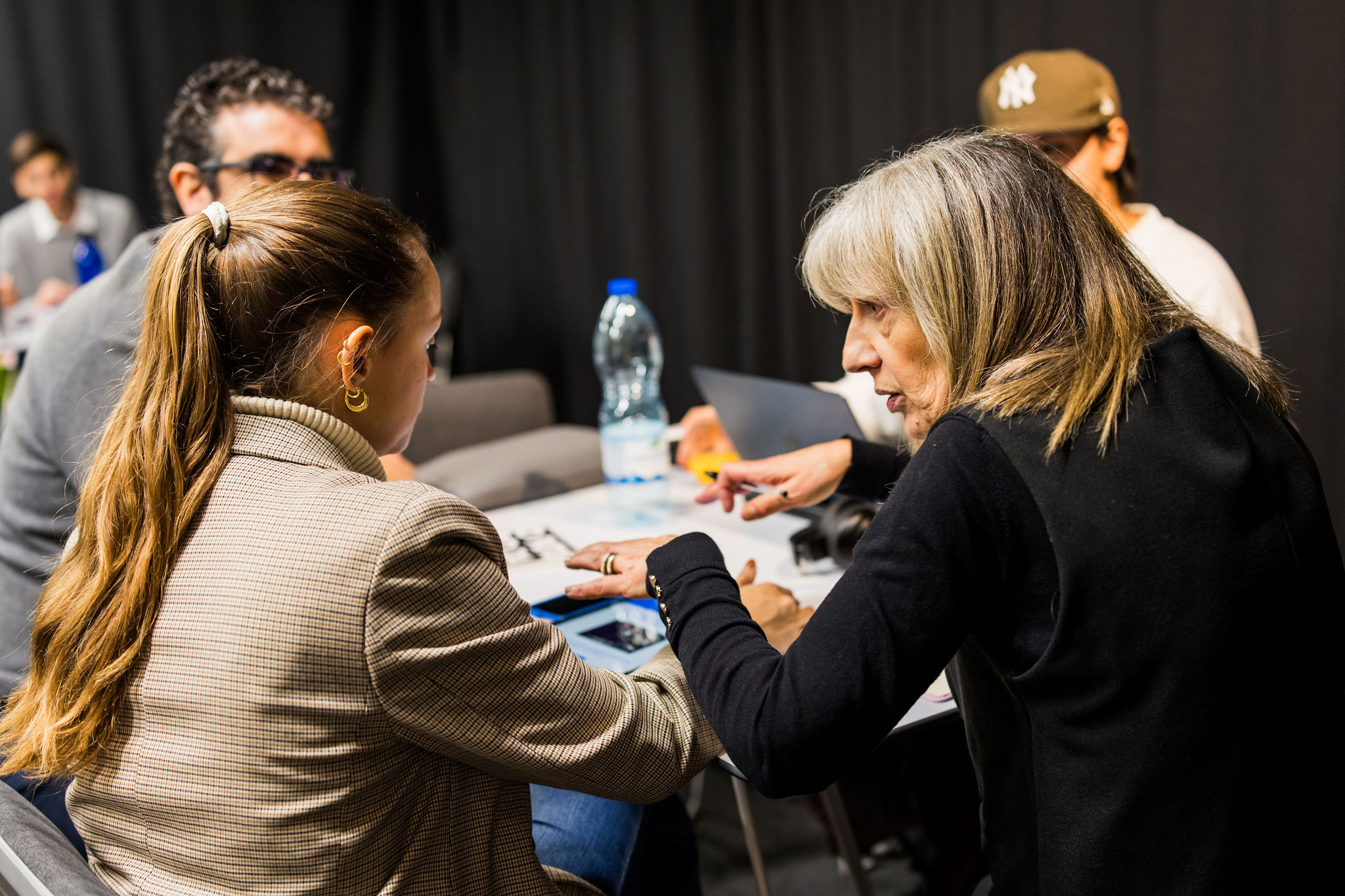
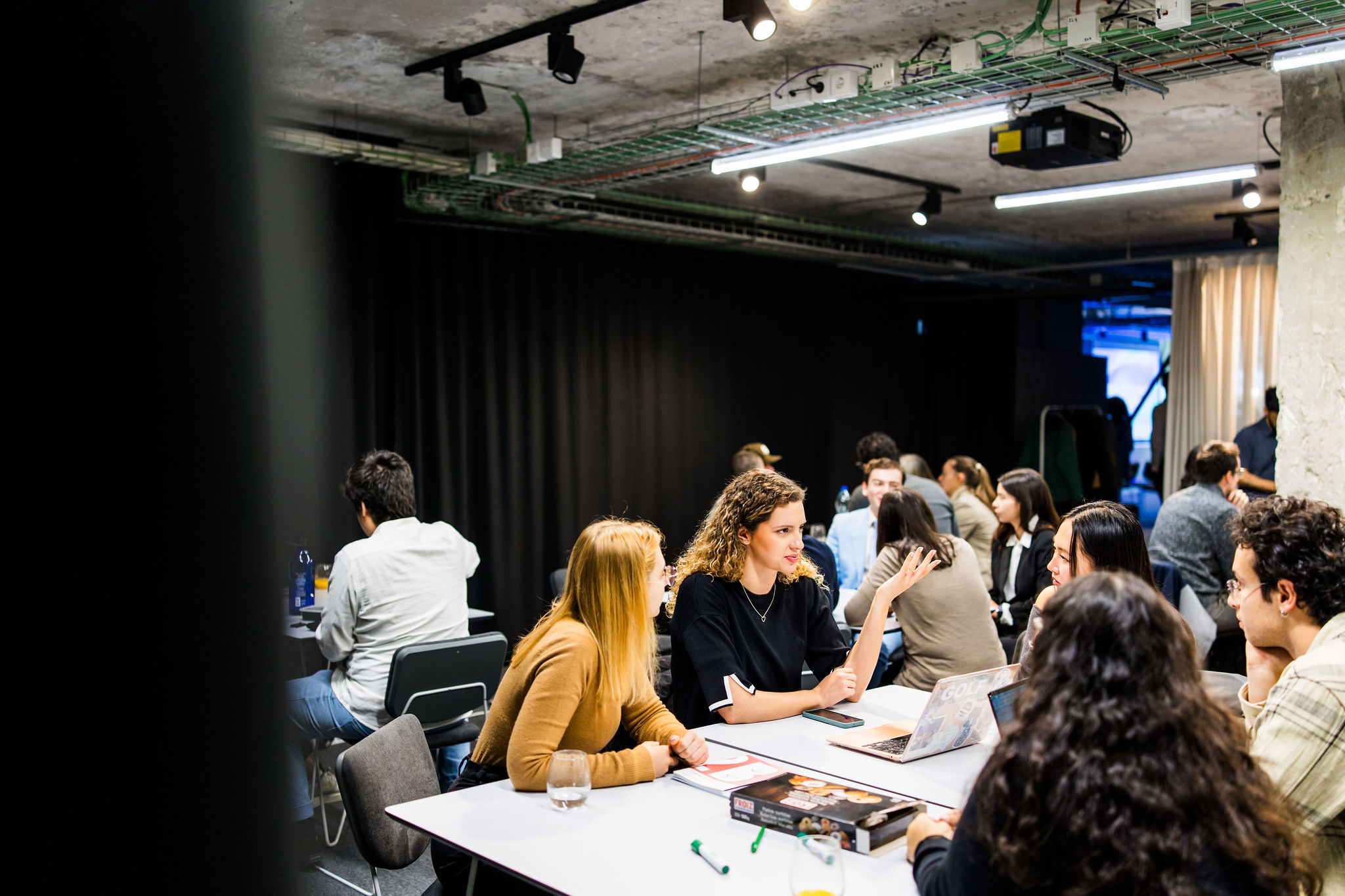
Participating in various workshops – held remotely – the teams collaboratively tested and built the best solutions to meet the specific needs of each partner.
“This experience was incredibly interesting, and I learned a great deal. It made me want to discover more about the city of Porto, and even explore its job market. As someone from the United States, I was exposed to a reality I hadn’t known before”, said Nico Kuntjoro, a student from the University of California, Berkeley.
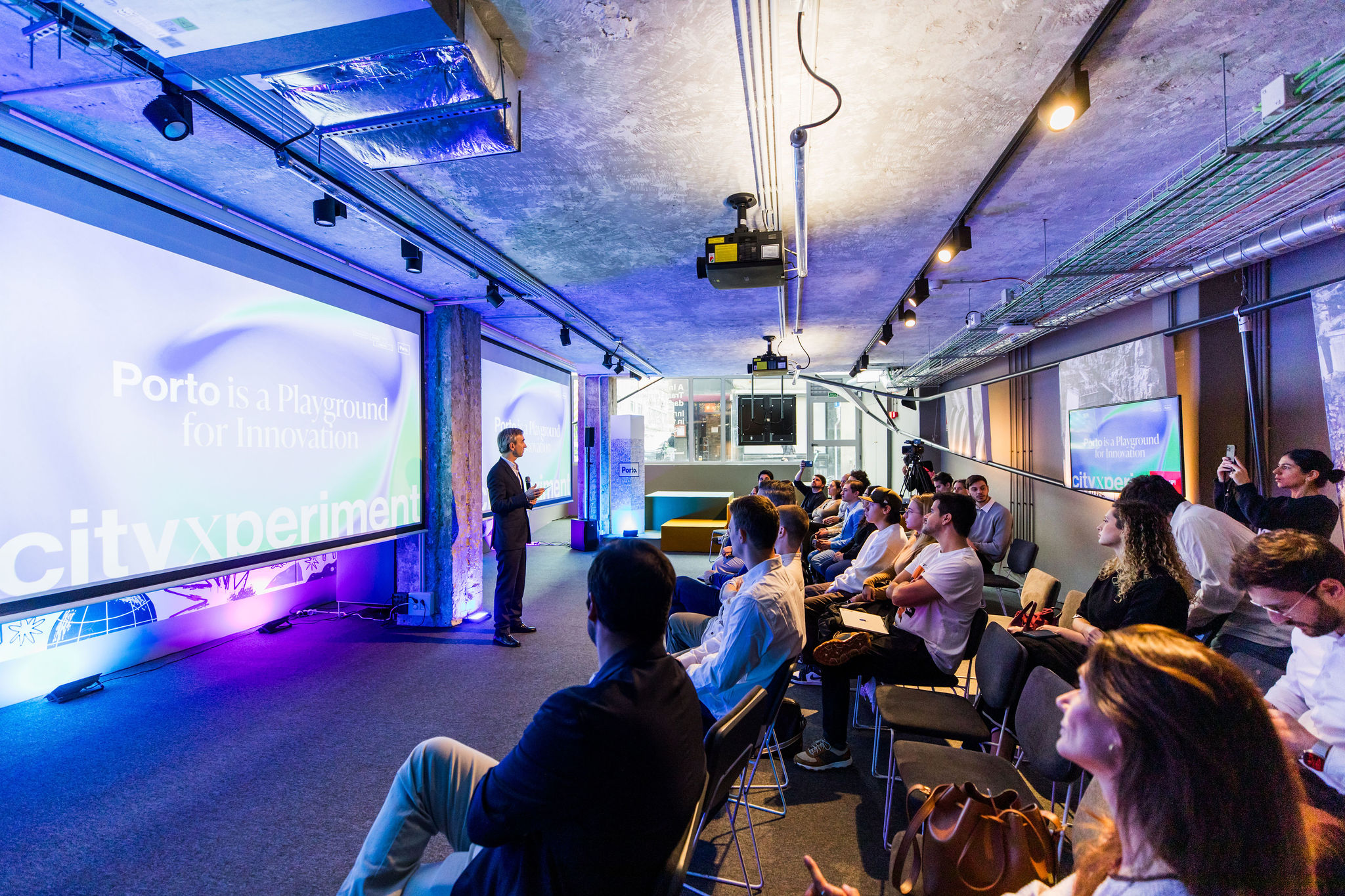
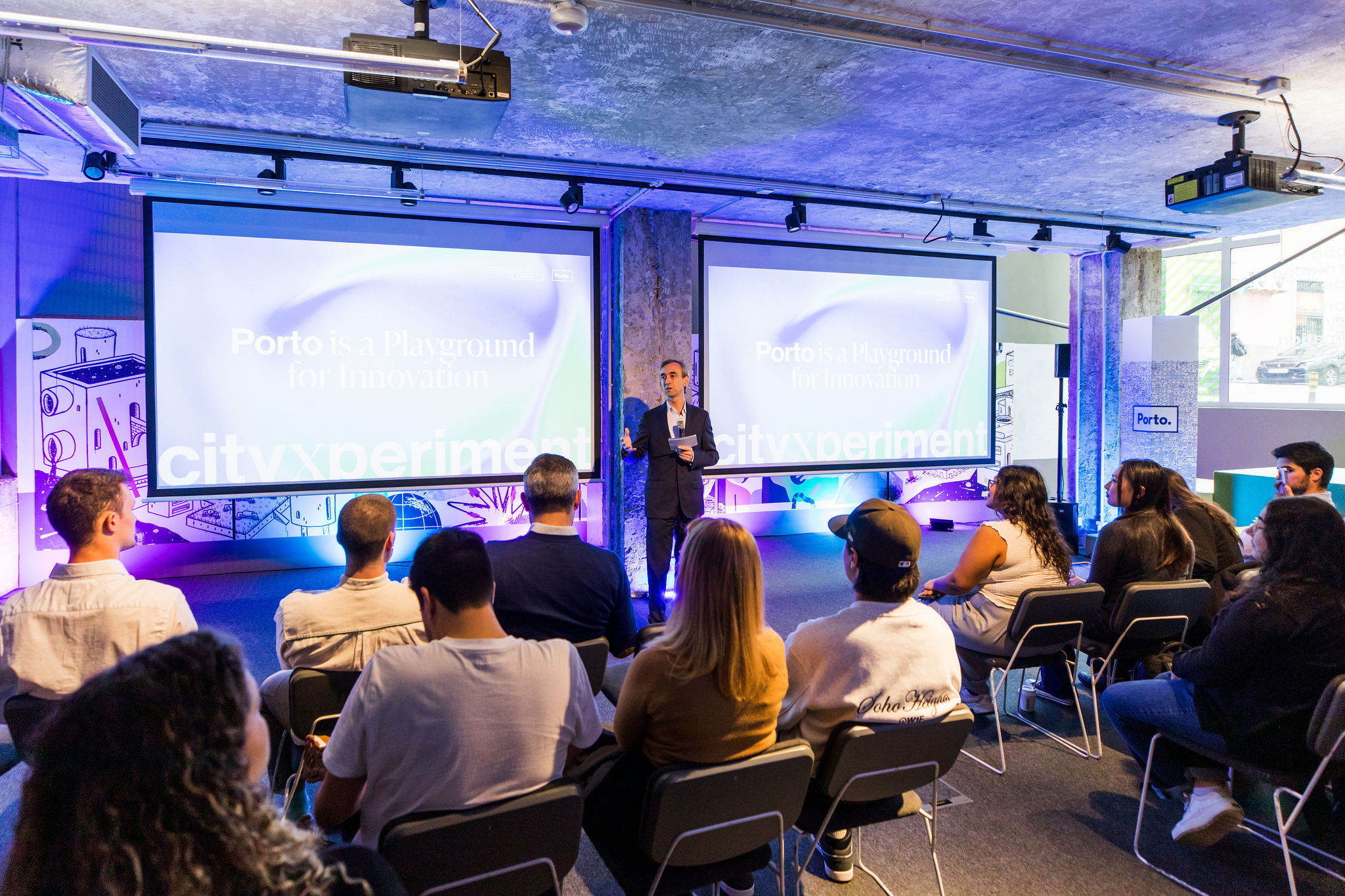
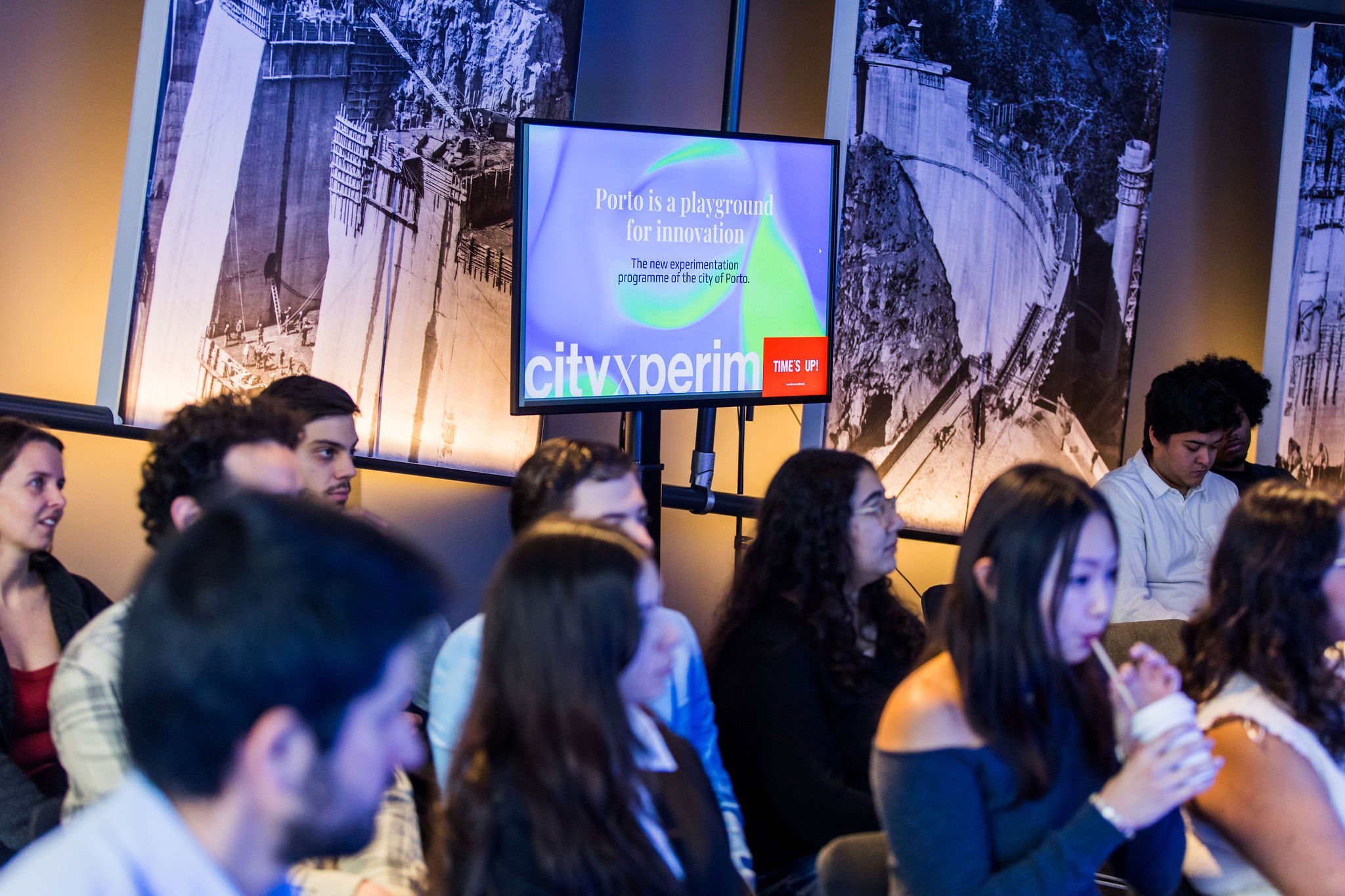
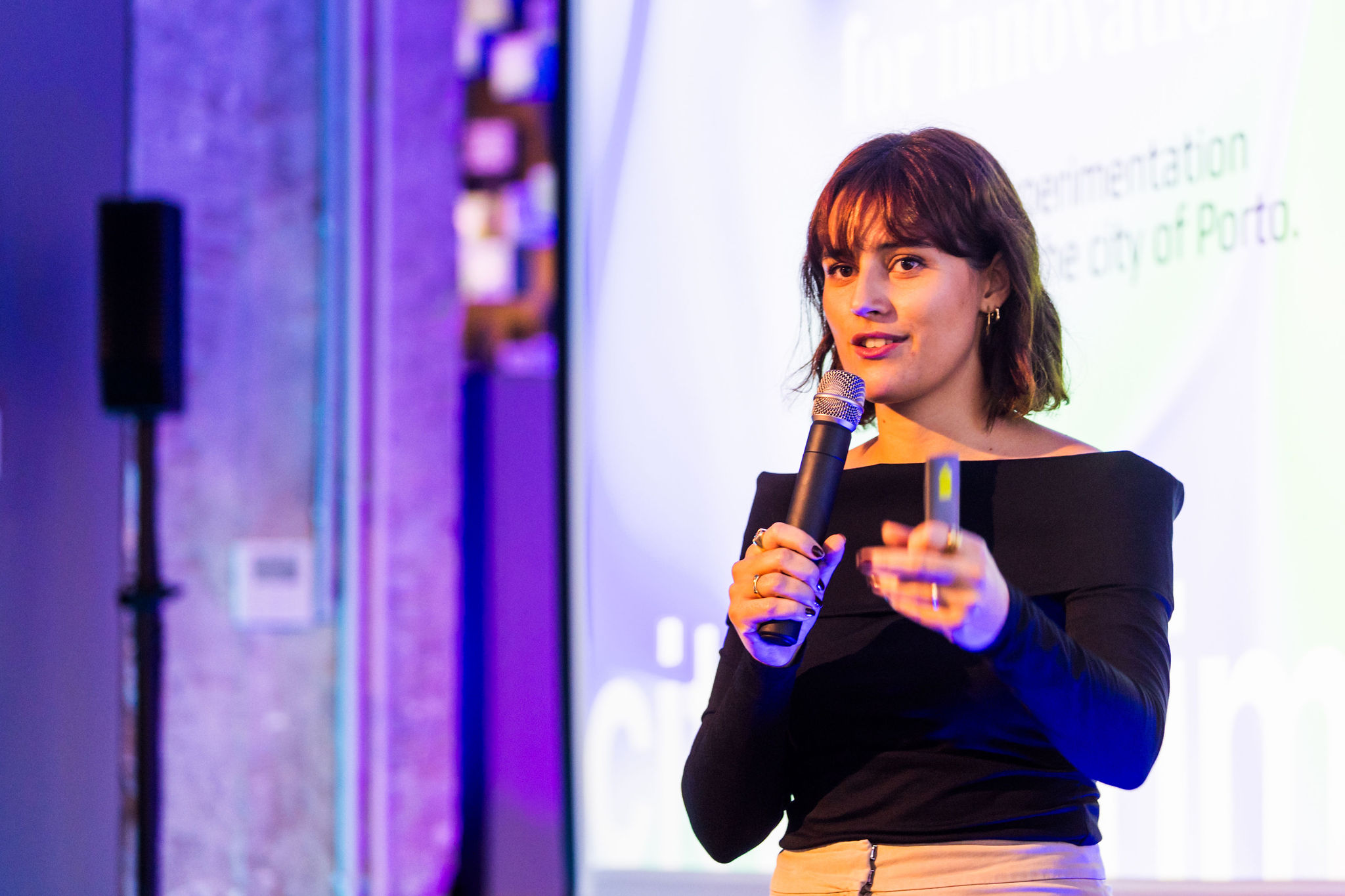
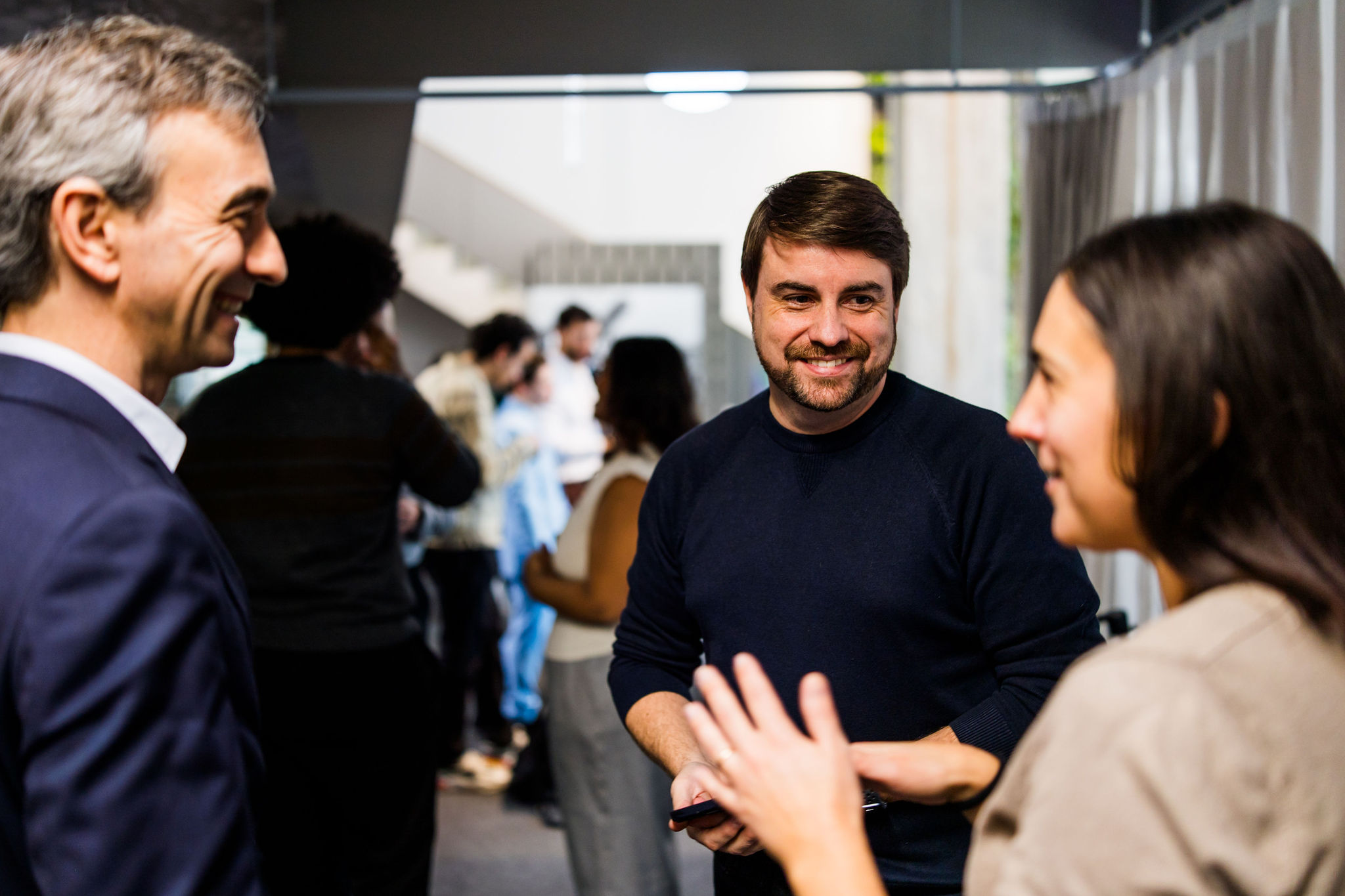
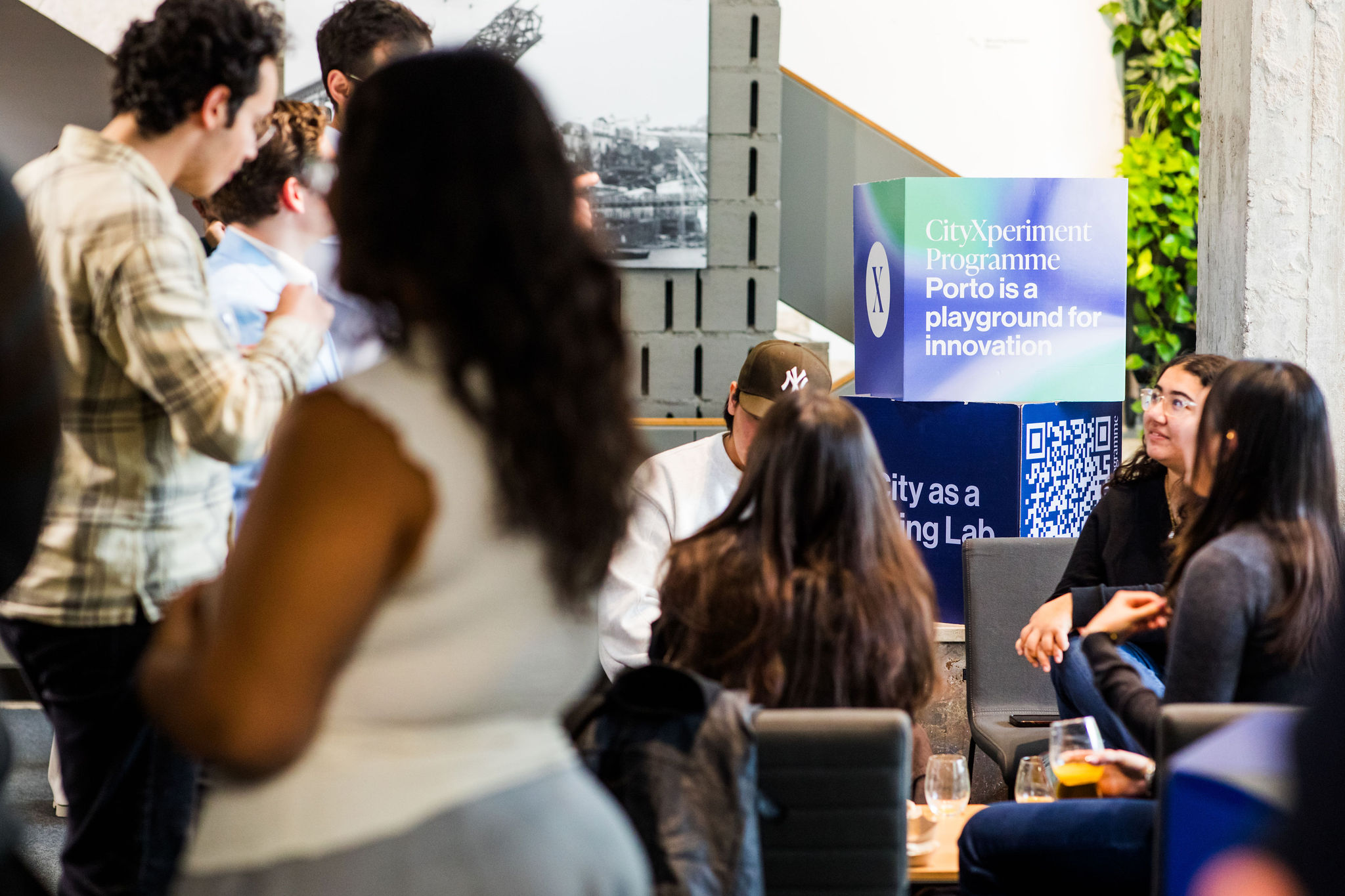
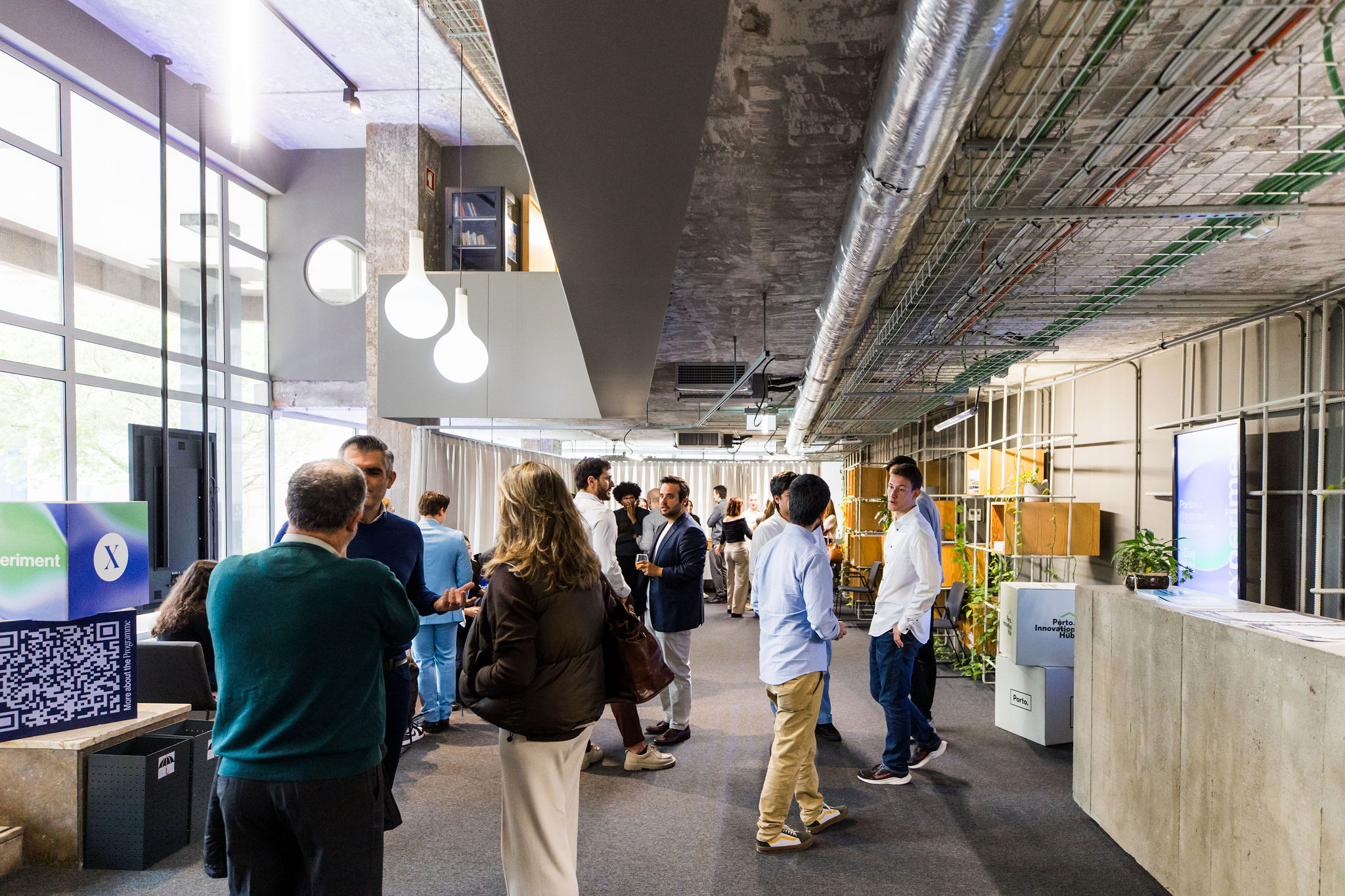
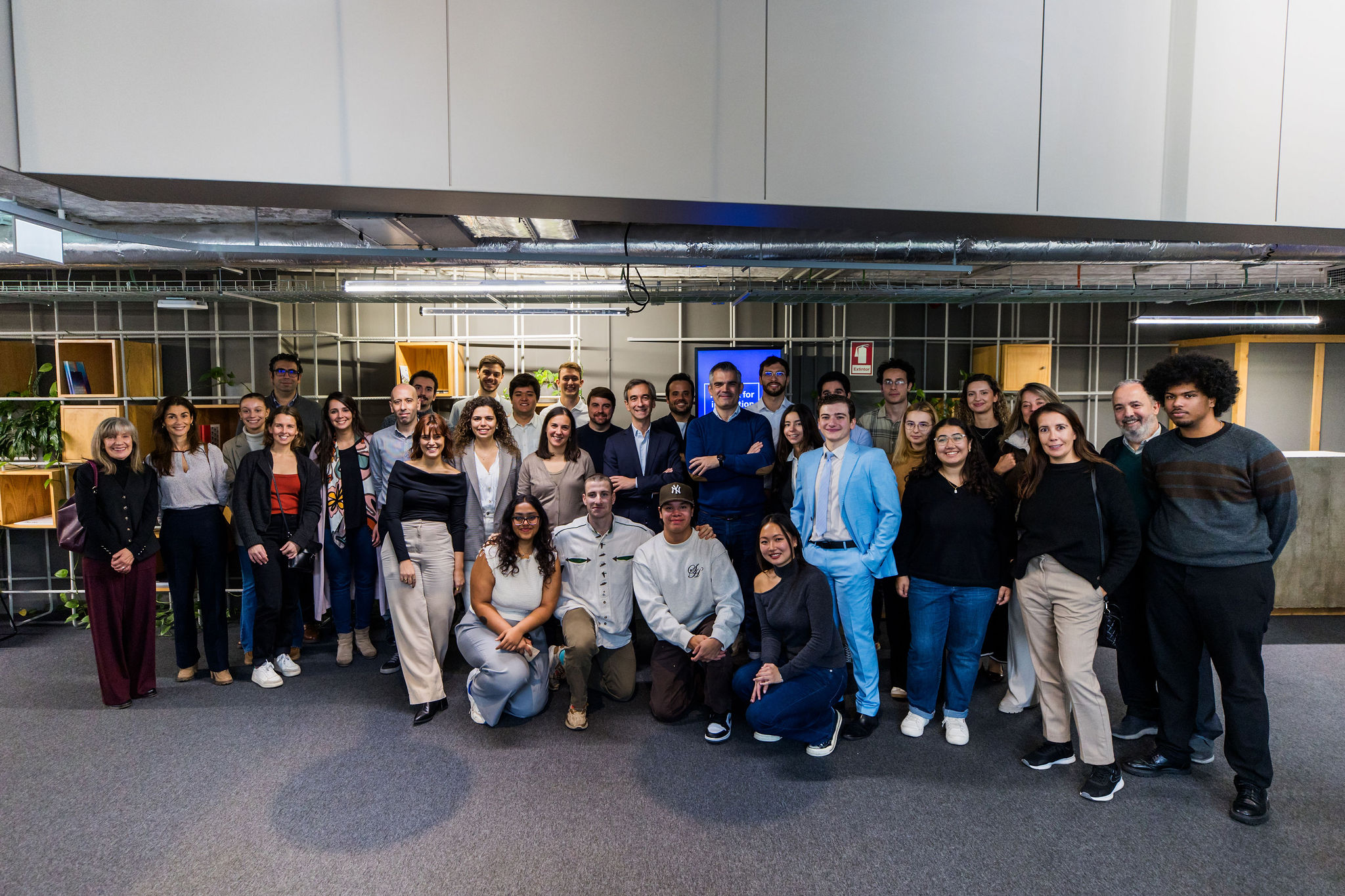
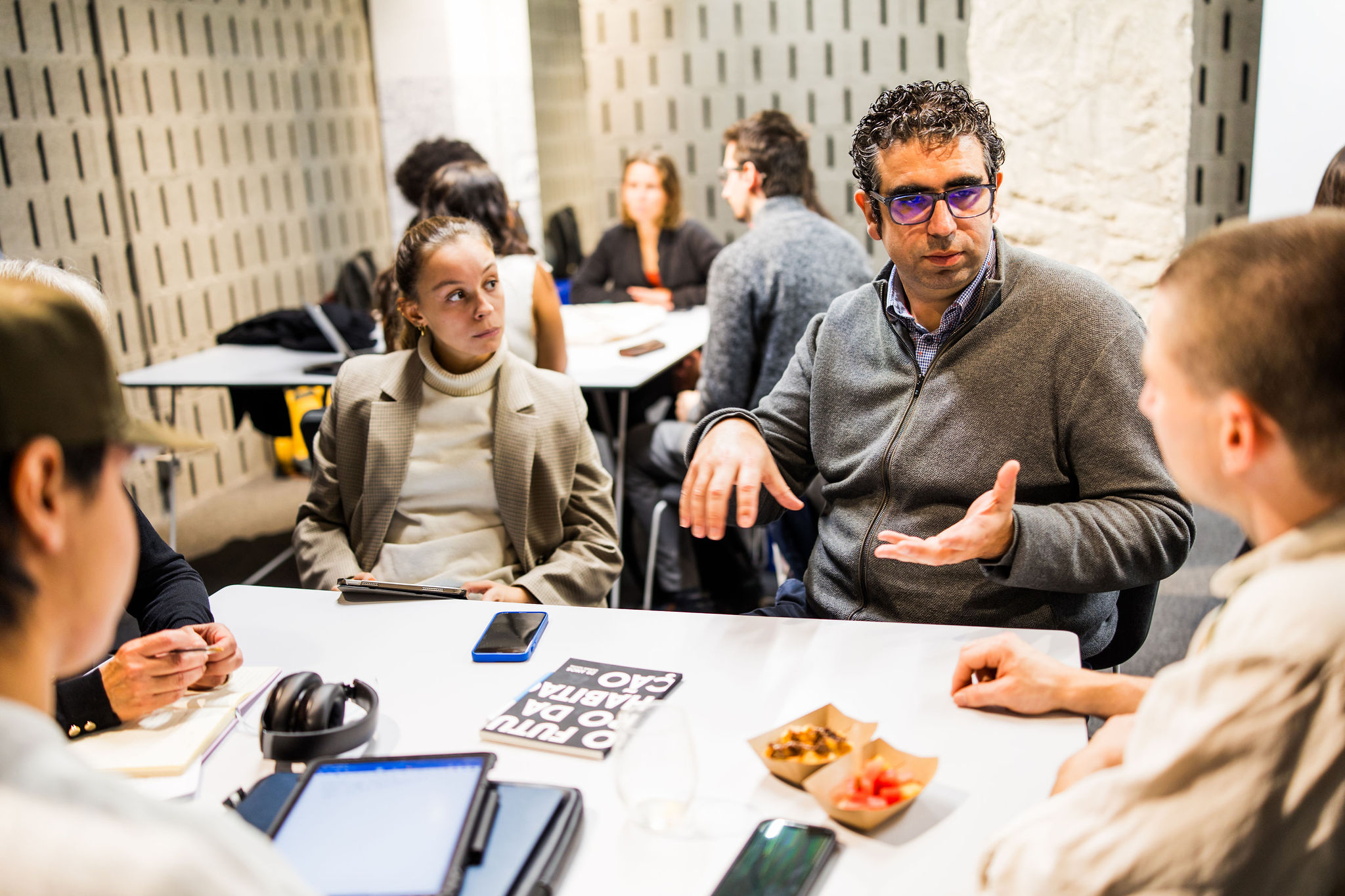
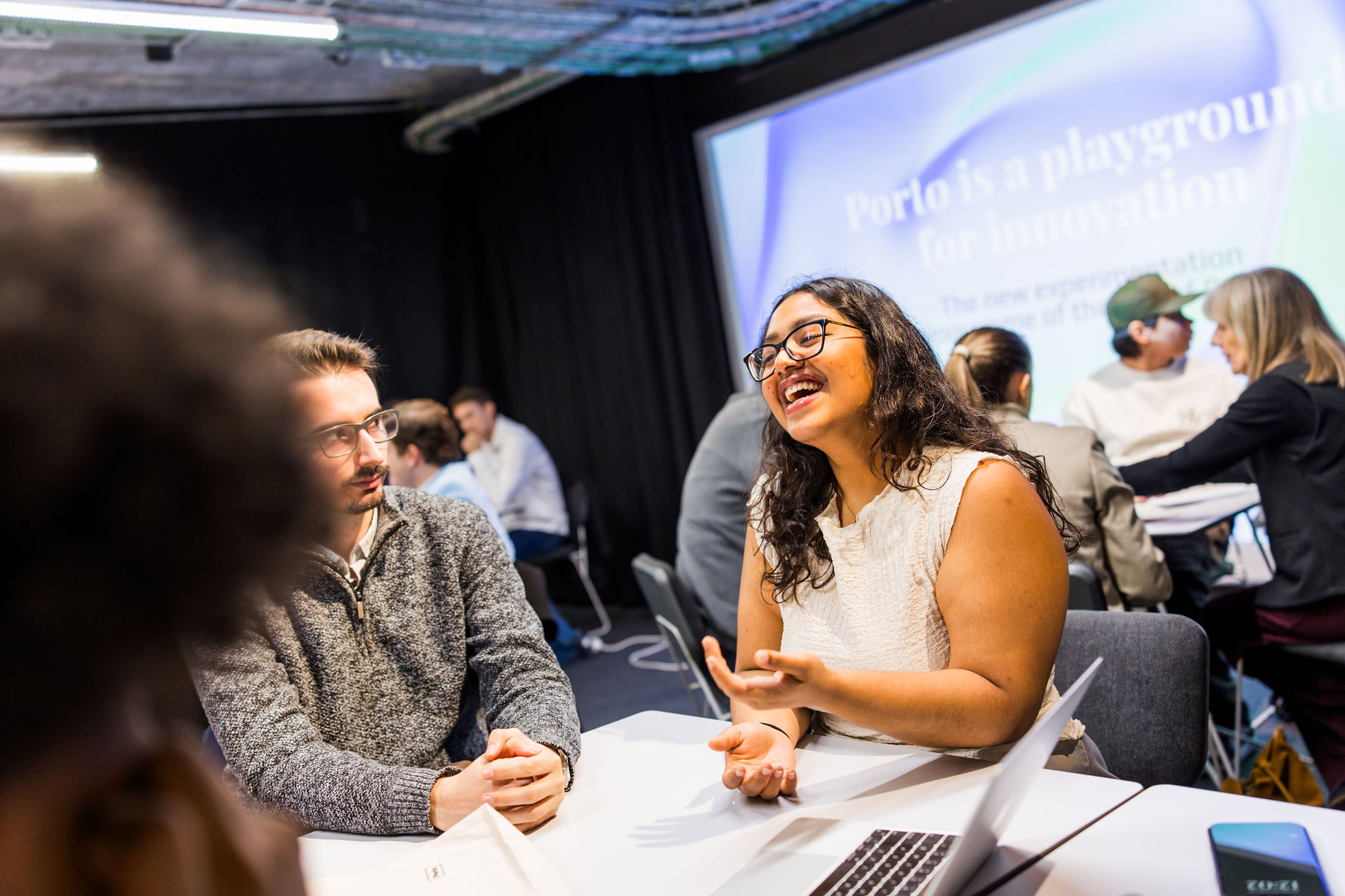
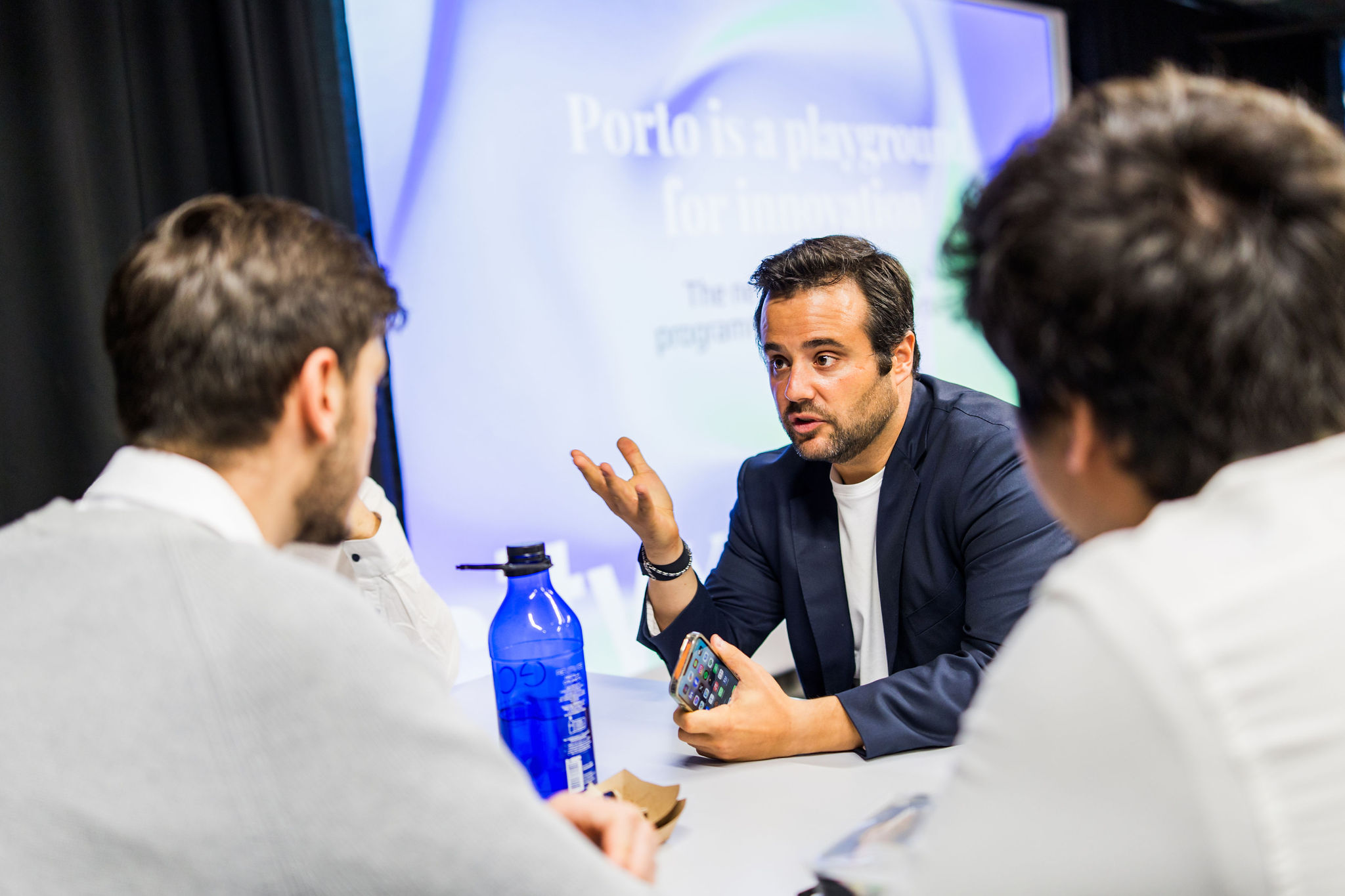
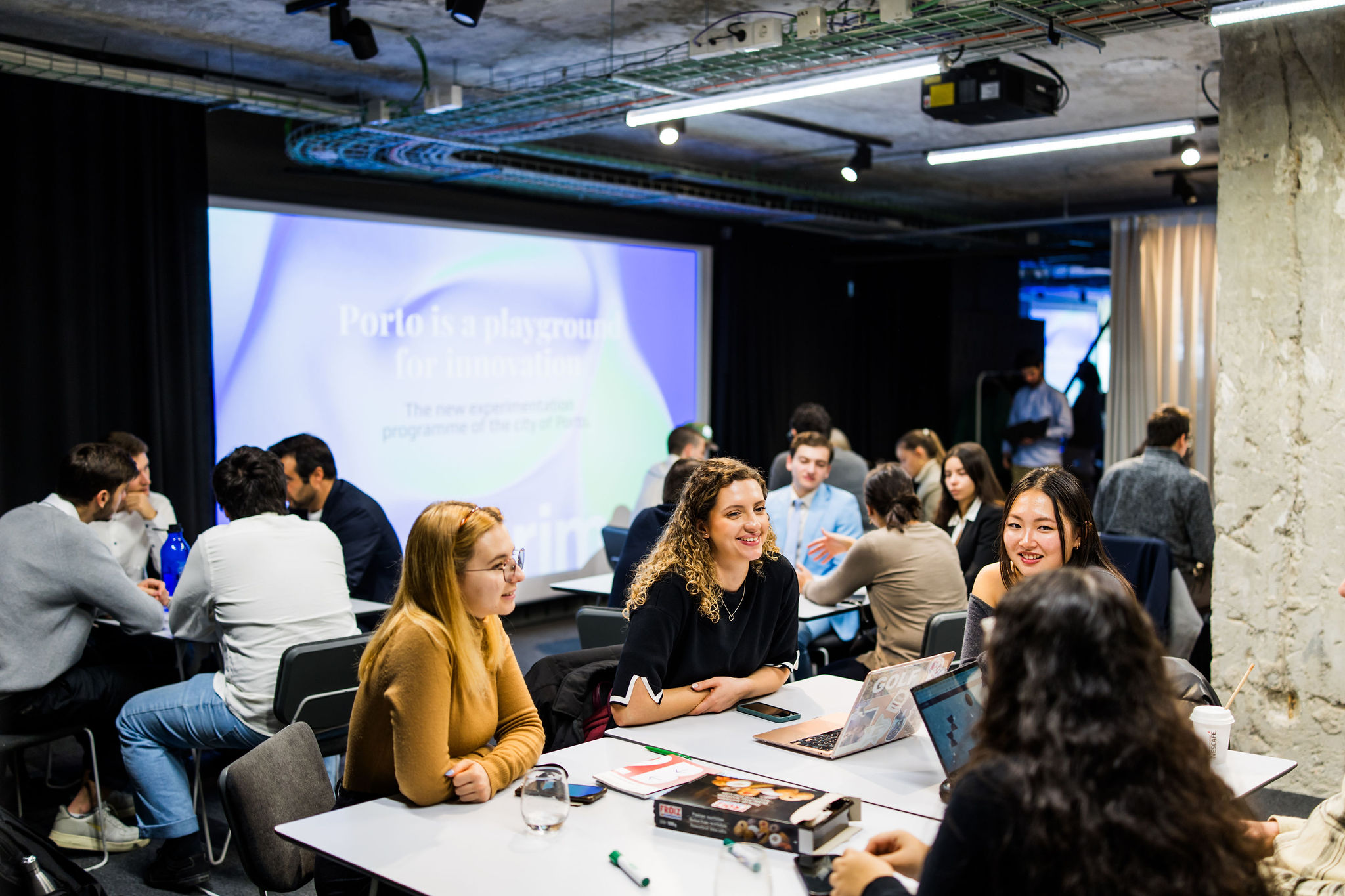
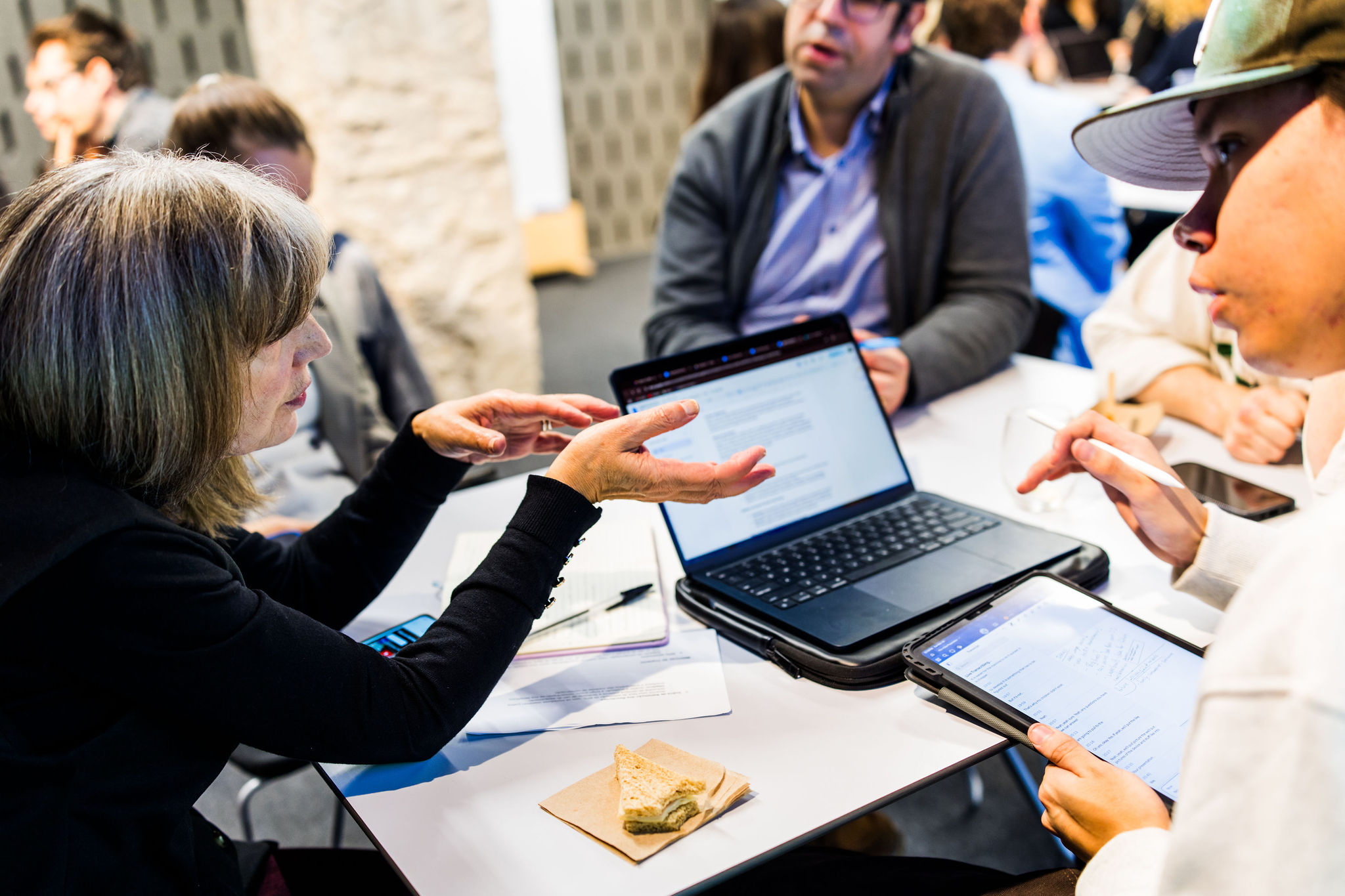
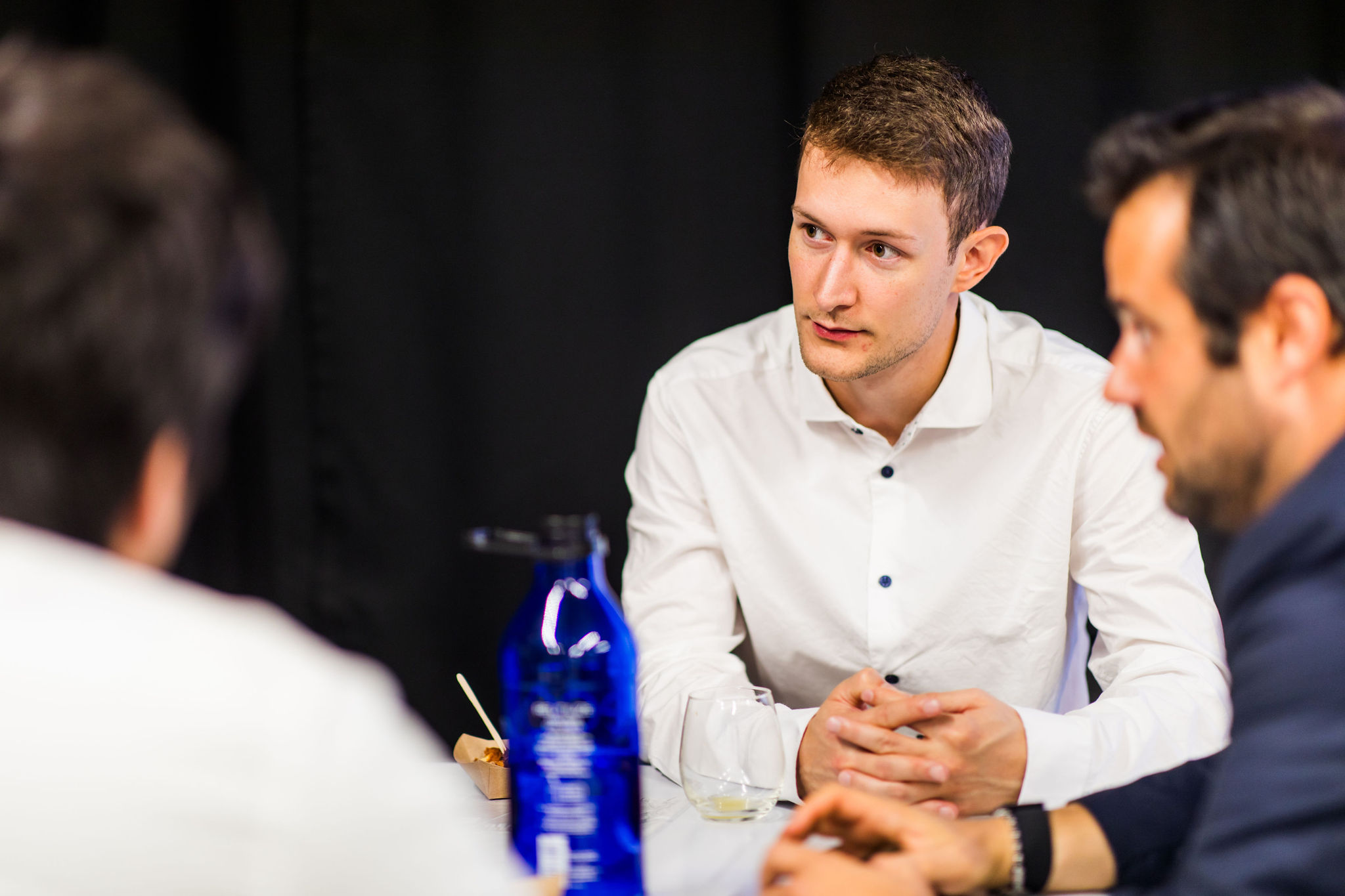
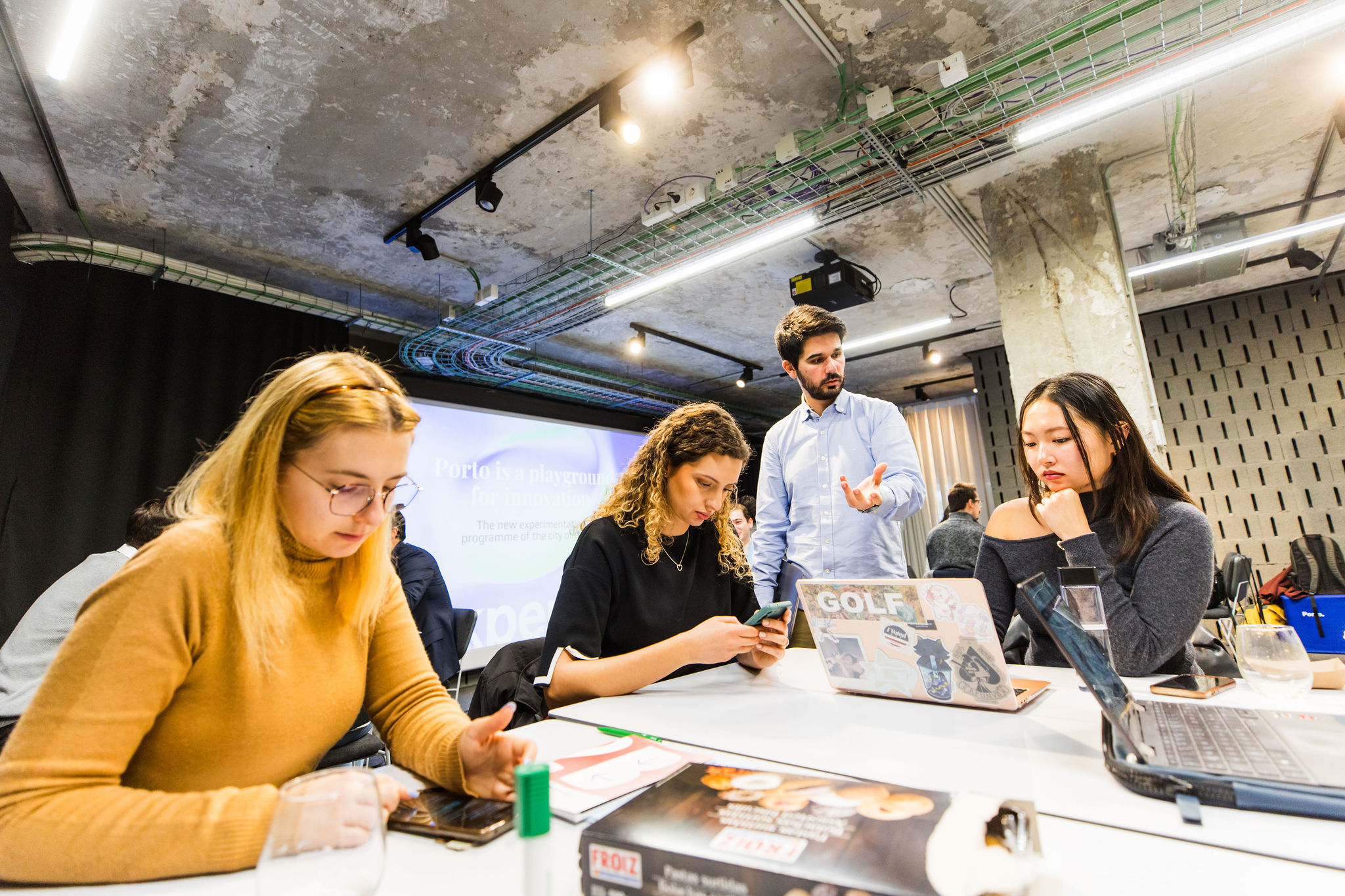
After two months of work, the Porto Innovation Hub hosted XDay – the event marking the return of the five teams to the city and bringing together the project’s partners and stakeholders.
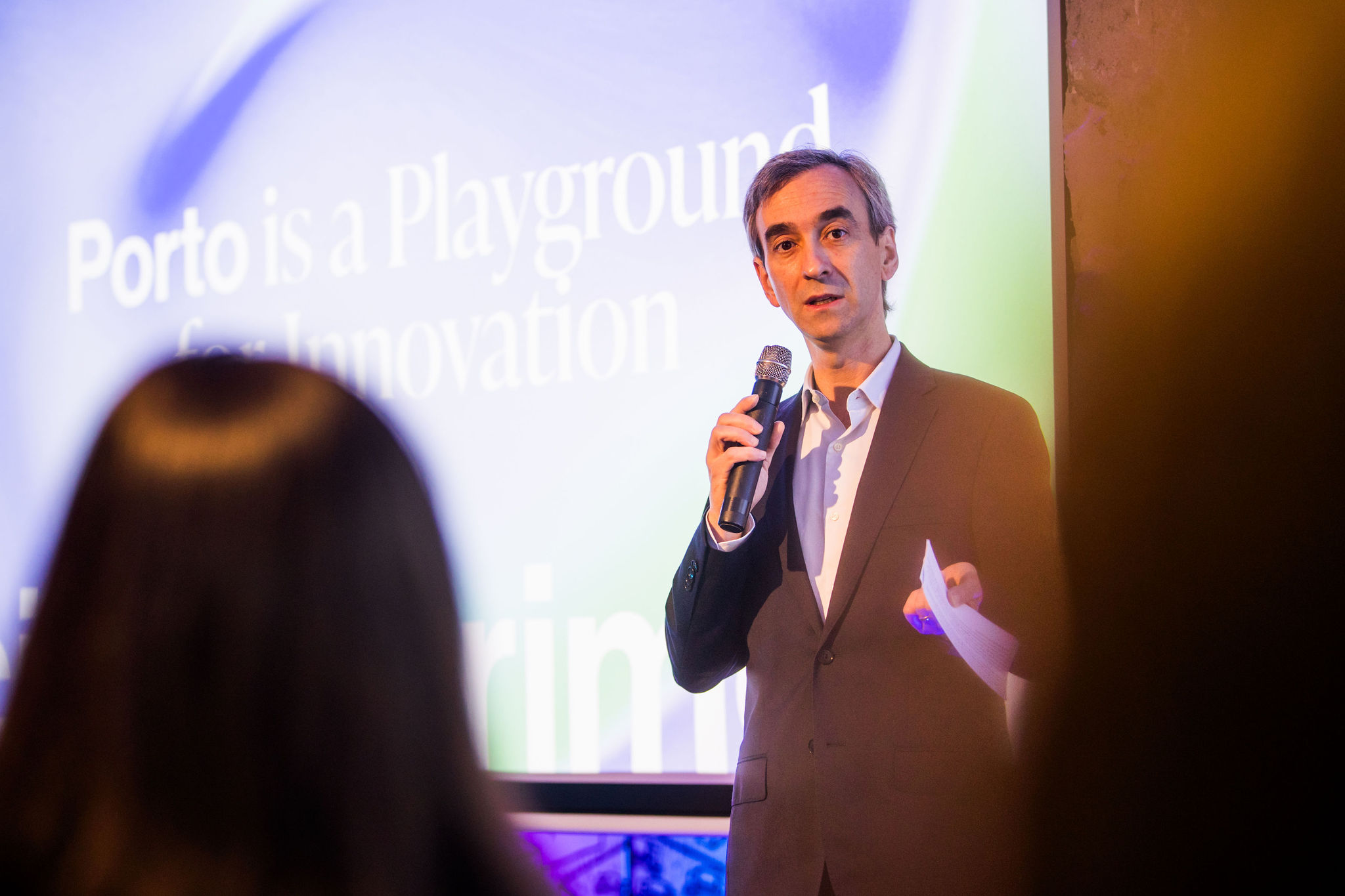
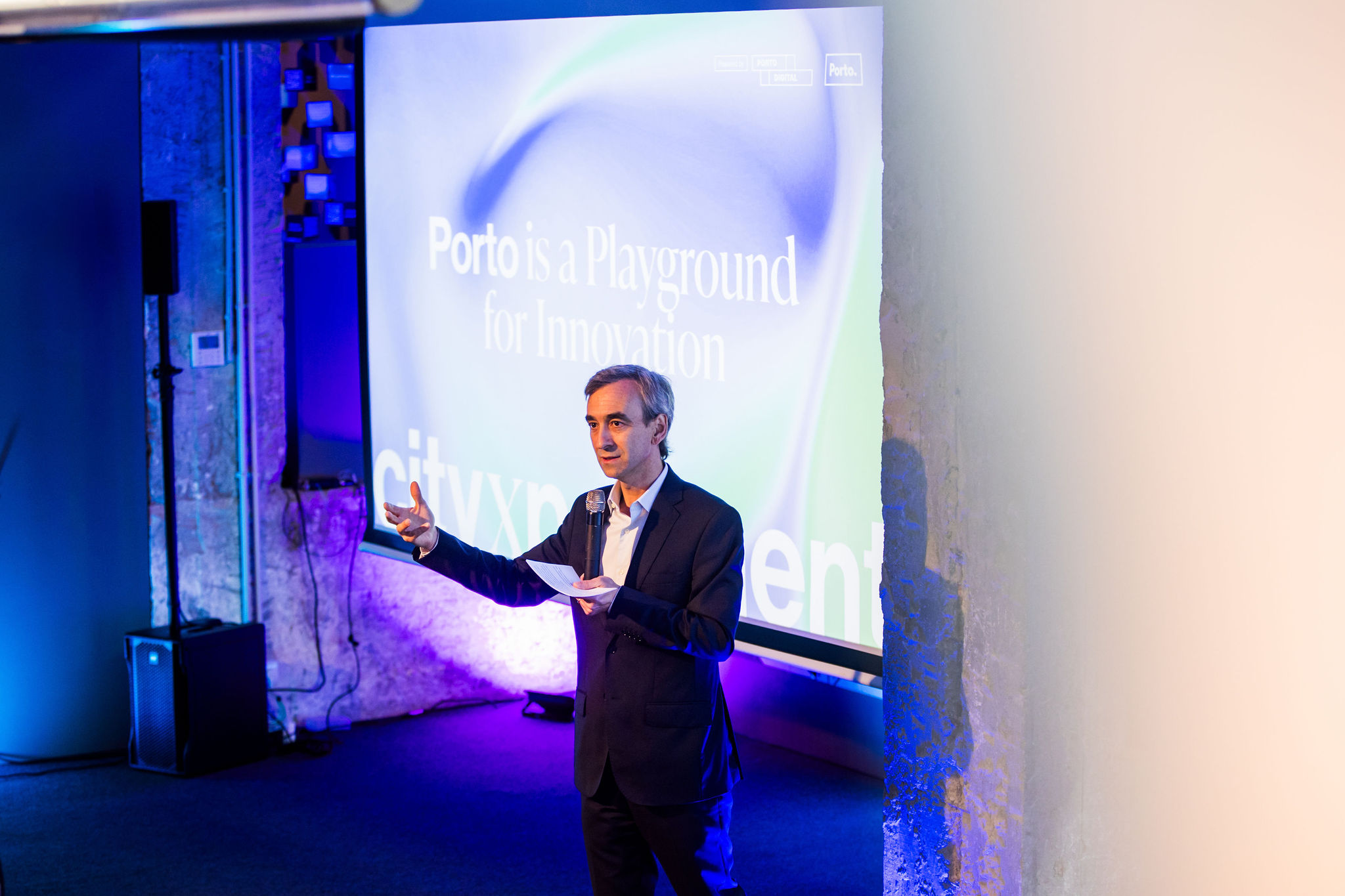
“We are celebrating innovation, and this is a special occasion. It marks the culmination of the pilot edition of CityXperiment – an experimentation programme that, as expected, has demonstrated how the city can effectively bridge talent and innovation with local businesses”, summarised Filipe Araújo, who is also the City Councillor for Innovation and Digital Transition.
The CityXperiment in numbers
The programme had a three-week application period, starting on July 14th to August 2nd 2024, during which 60 applications were submitted, with 23 selected.
Over the two-month journey, participants benefited from more than 20 hours of training, spent approximately 36 hours in meetings, and dedicated over 100 hours to debating and developing potential solutions. In terms of academic background and origin, the talent assembled in the programme came from nine universities, namely: Nova University Lisbon (Portugal), Instituto Superior Técnico (Portugal), University of Seville (Spain), Eindhoven University of Technology (Netherlands), University of São Paulo (Brazil), Carnegie Mellon University (Qatar), St John’s University (USA), California Lutheran University (USA), University of California, Berkeley (USA).
Looking ahead, Porto Digital is currently working with the University of Porto and the University of California, Berkeley, to ensure that a second edition returns in 2025. The goal for the next edition is to involve around 60 students – approximately 40 from Berkeley and 20 from Porto. This partnership reinforces the value and recognition achieved by the inaugural edition of the experimentation programme.