
Sustainability: science, technology and civic participation for the city of the future
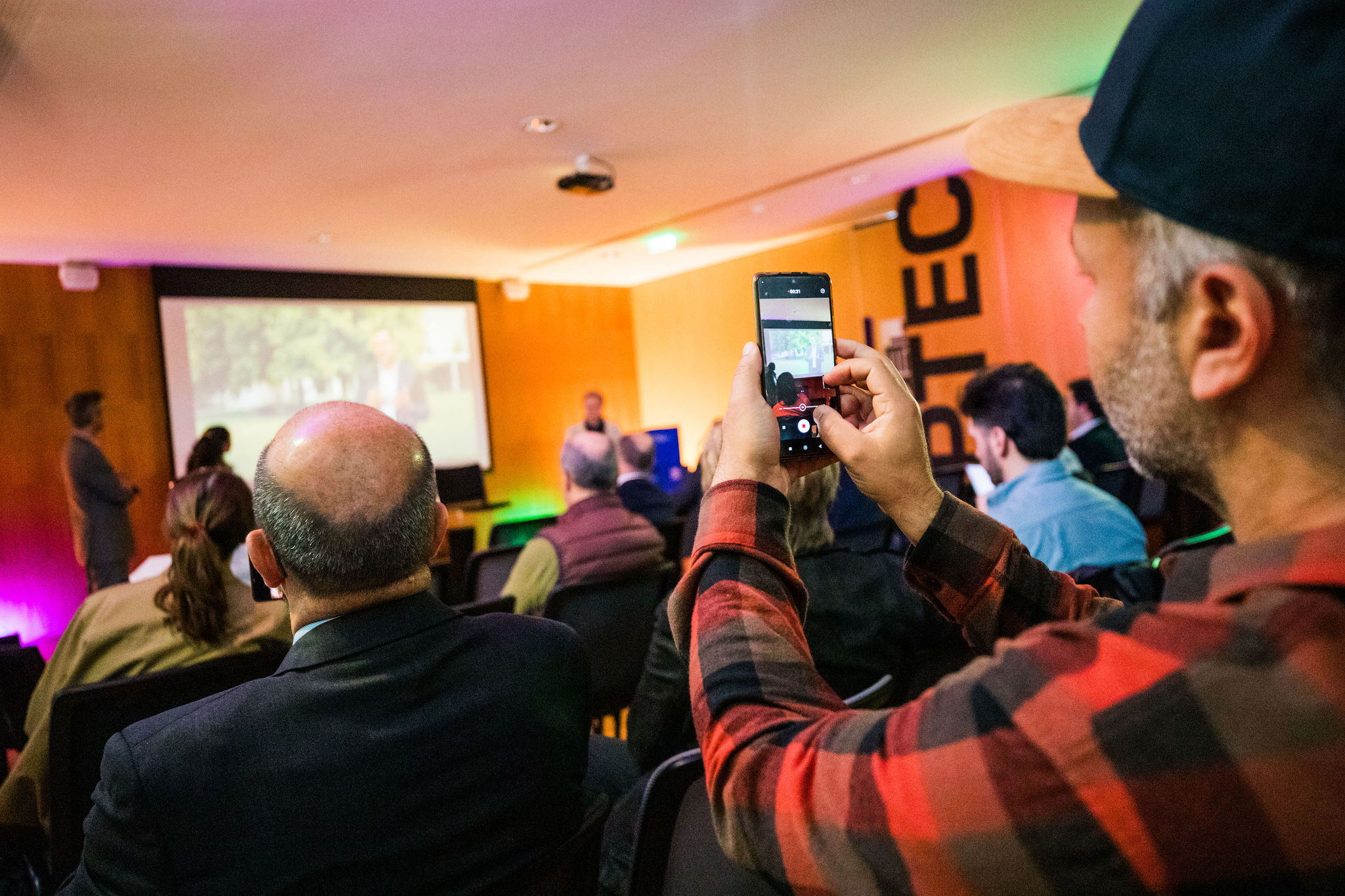
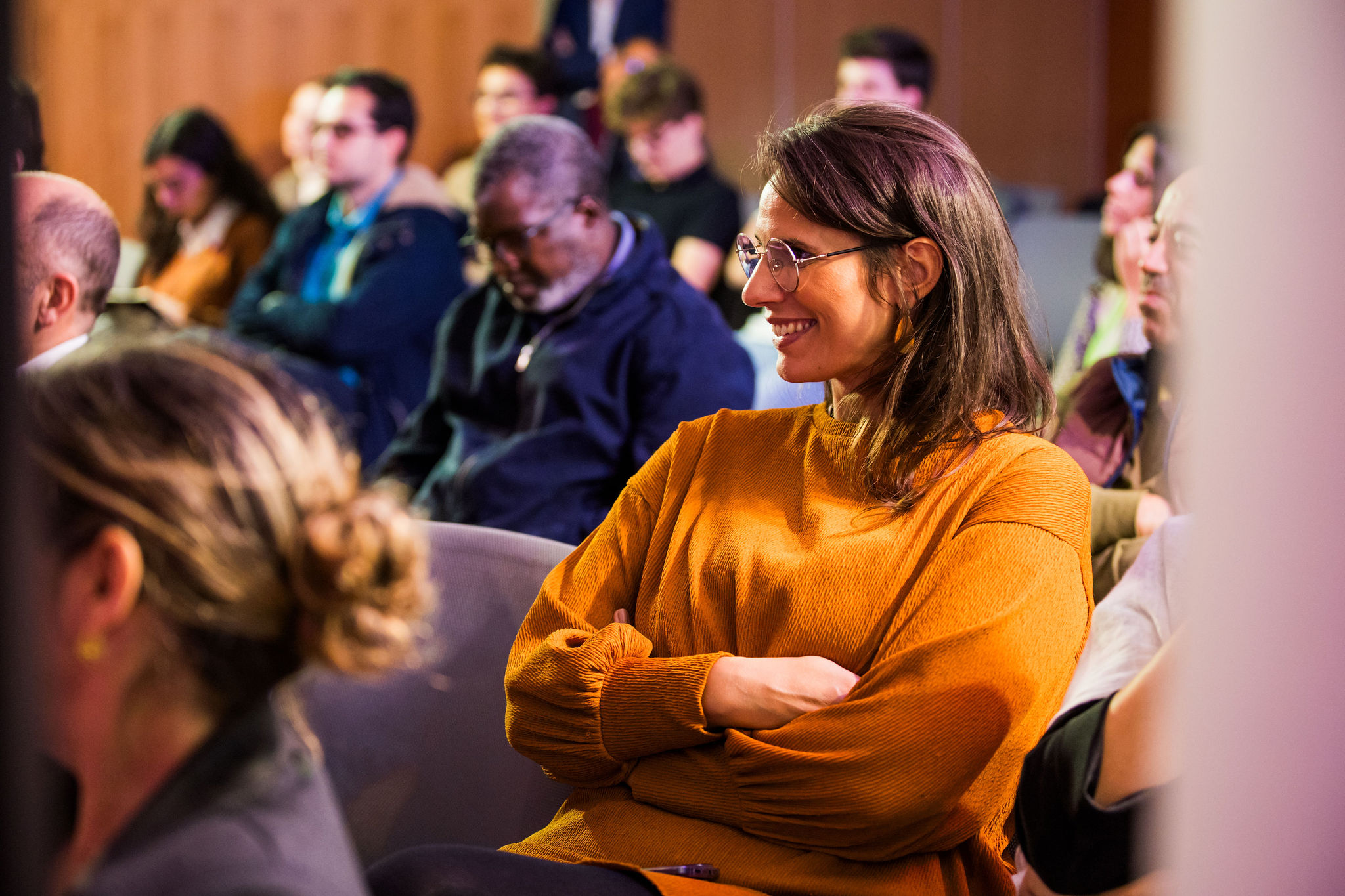
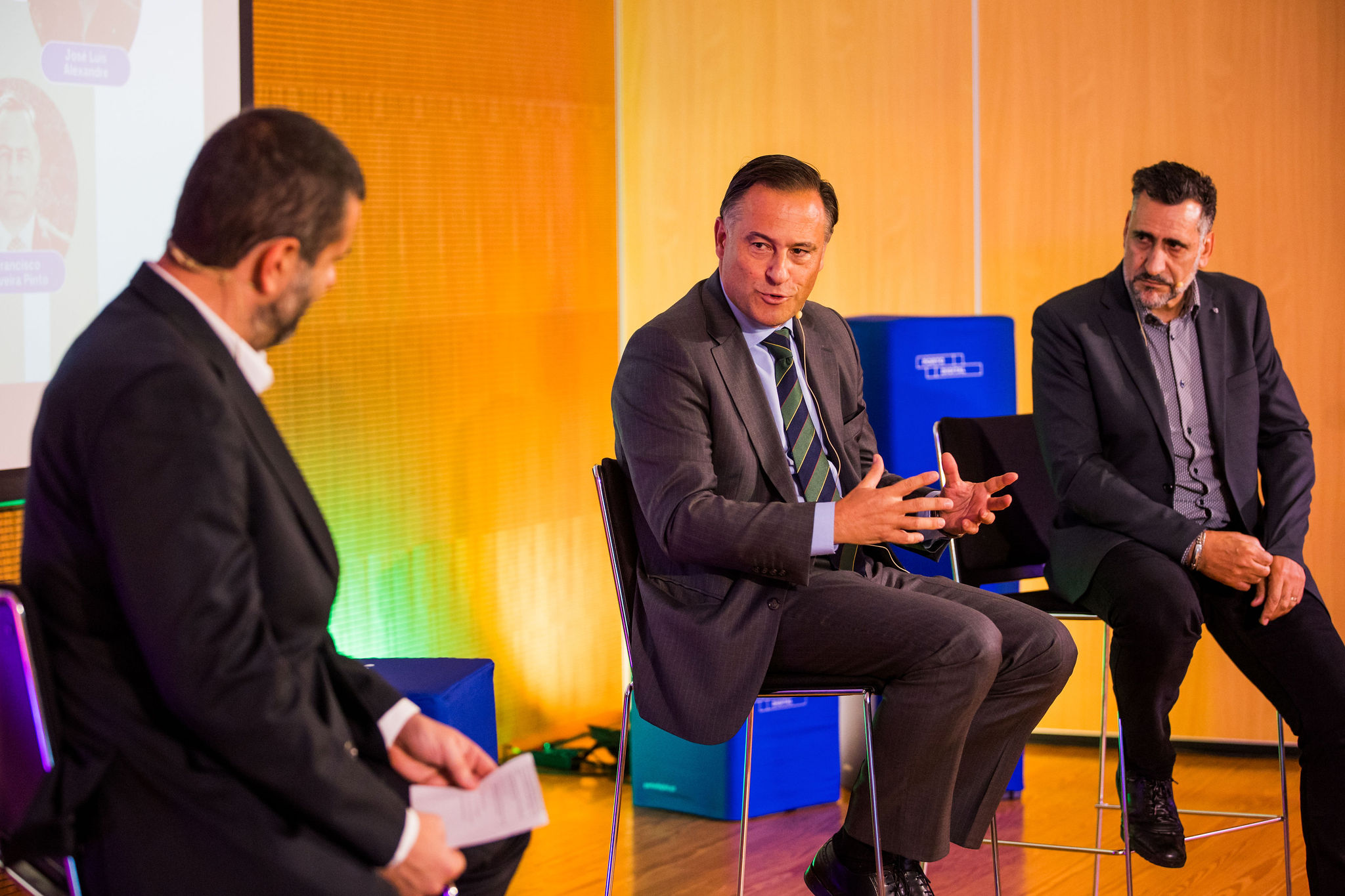
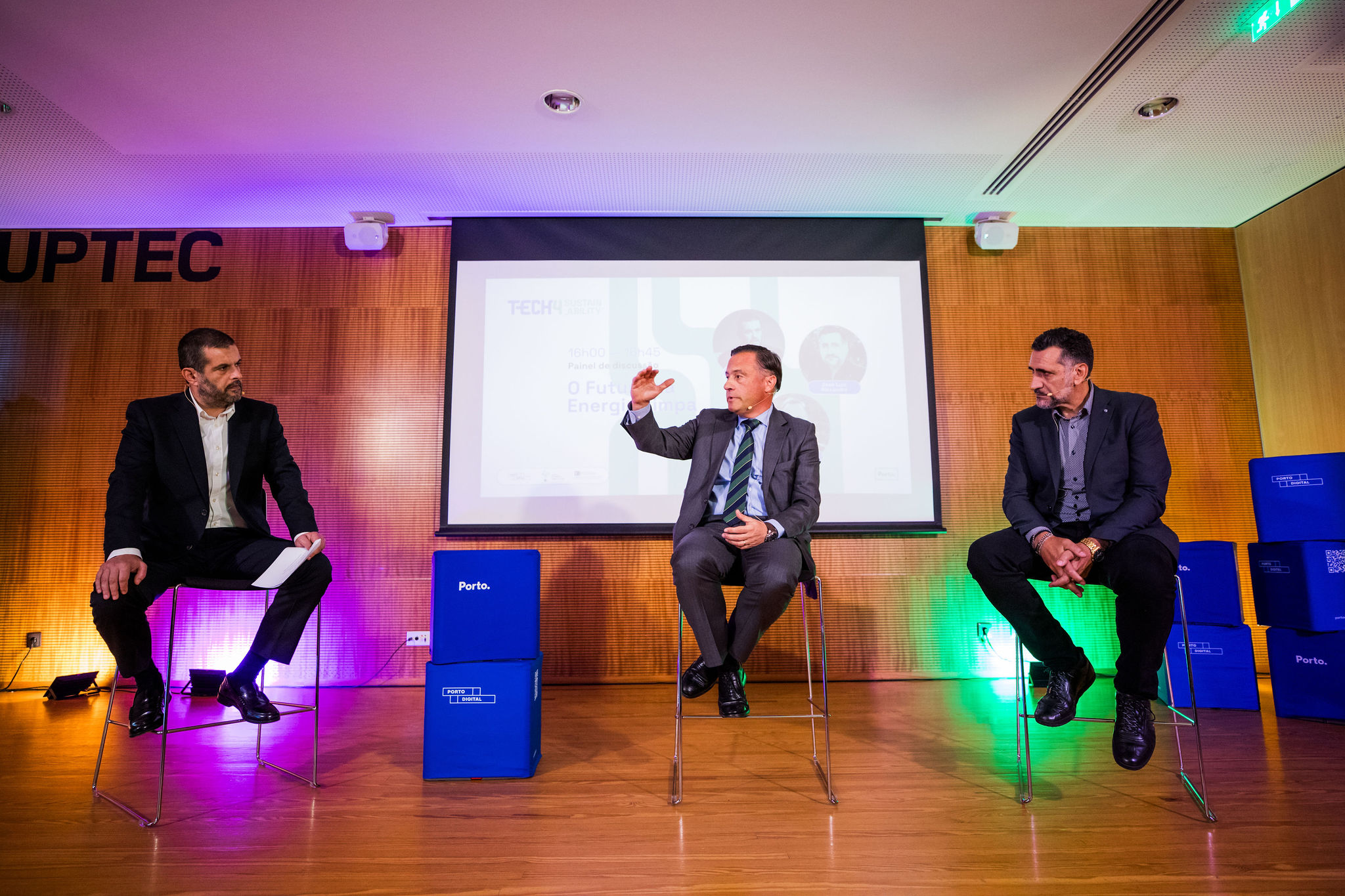
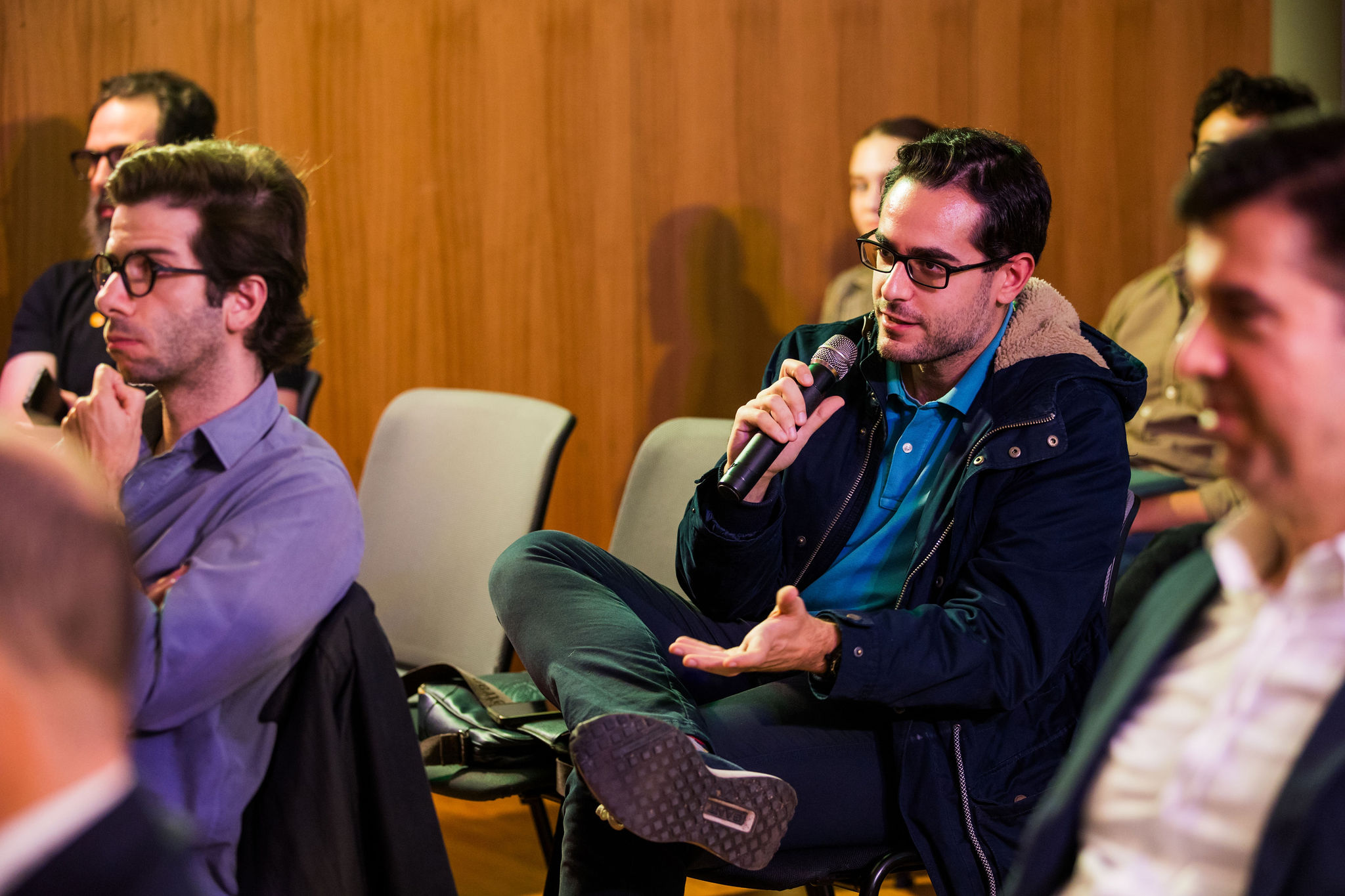
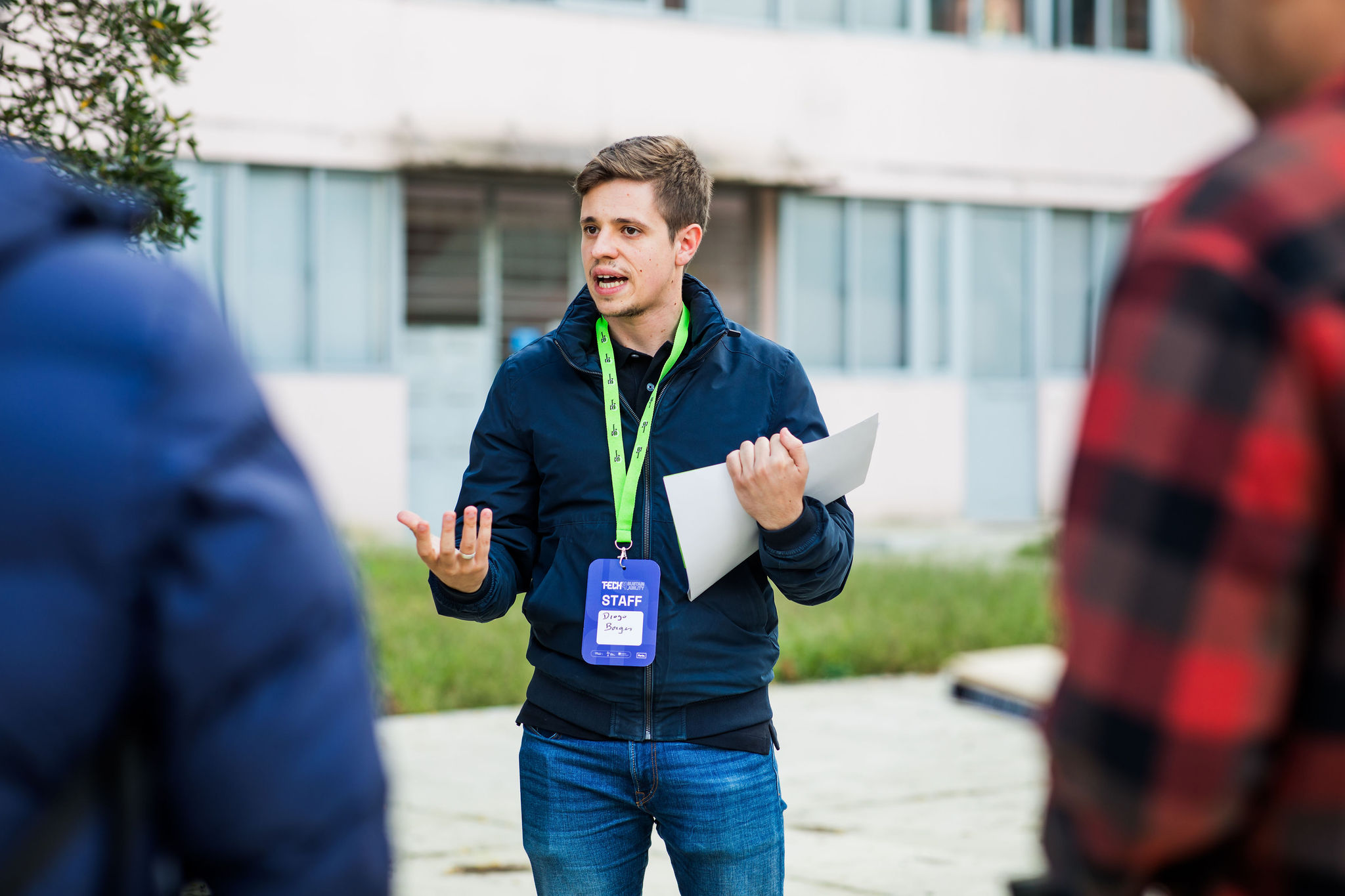
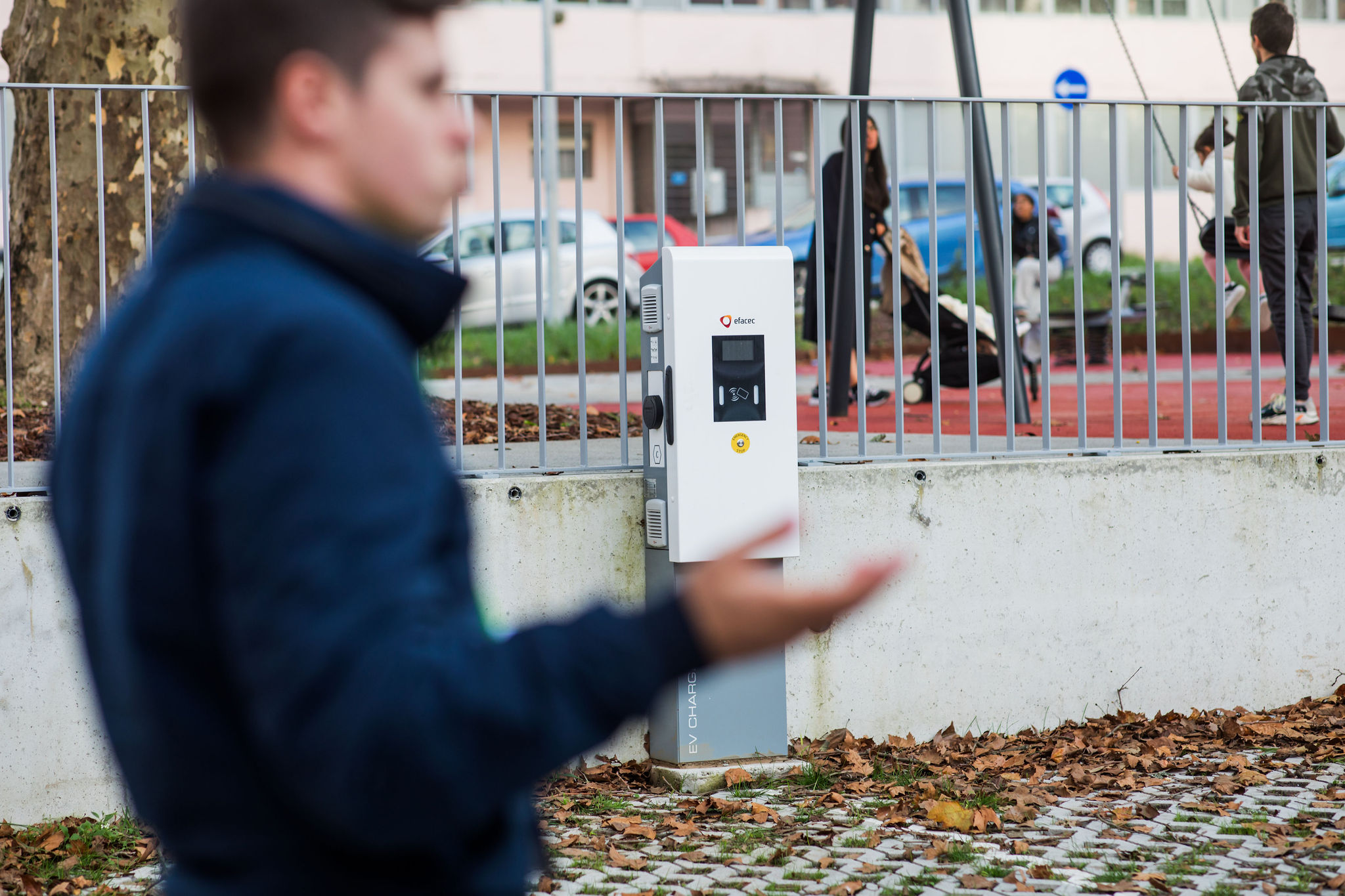
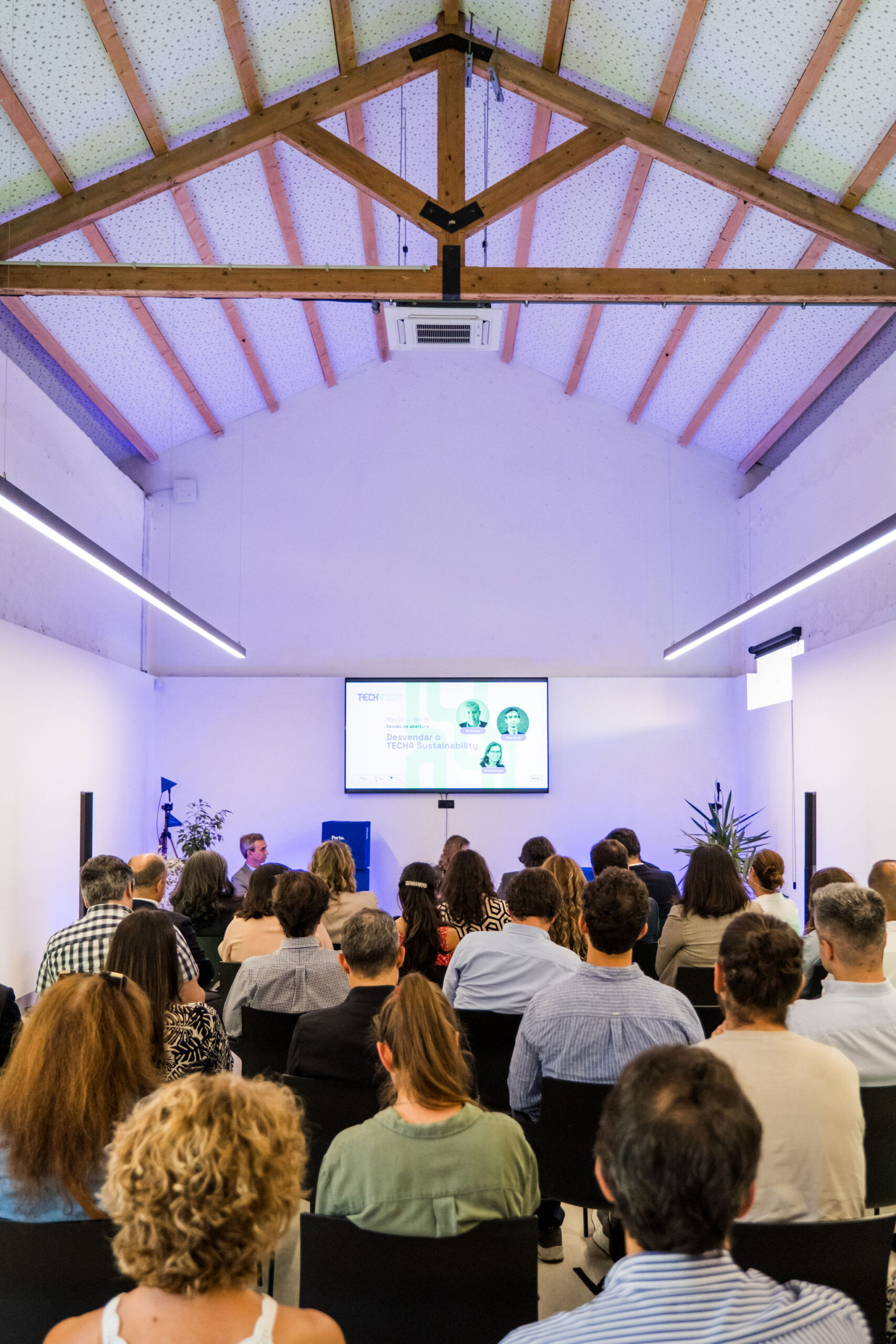
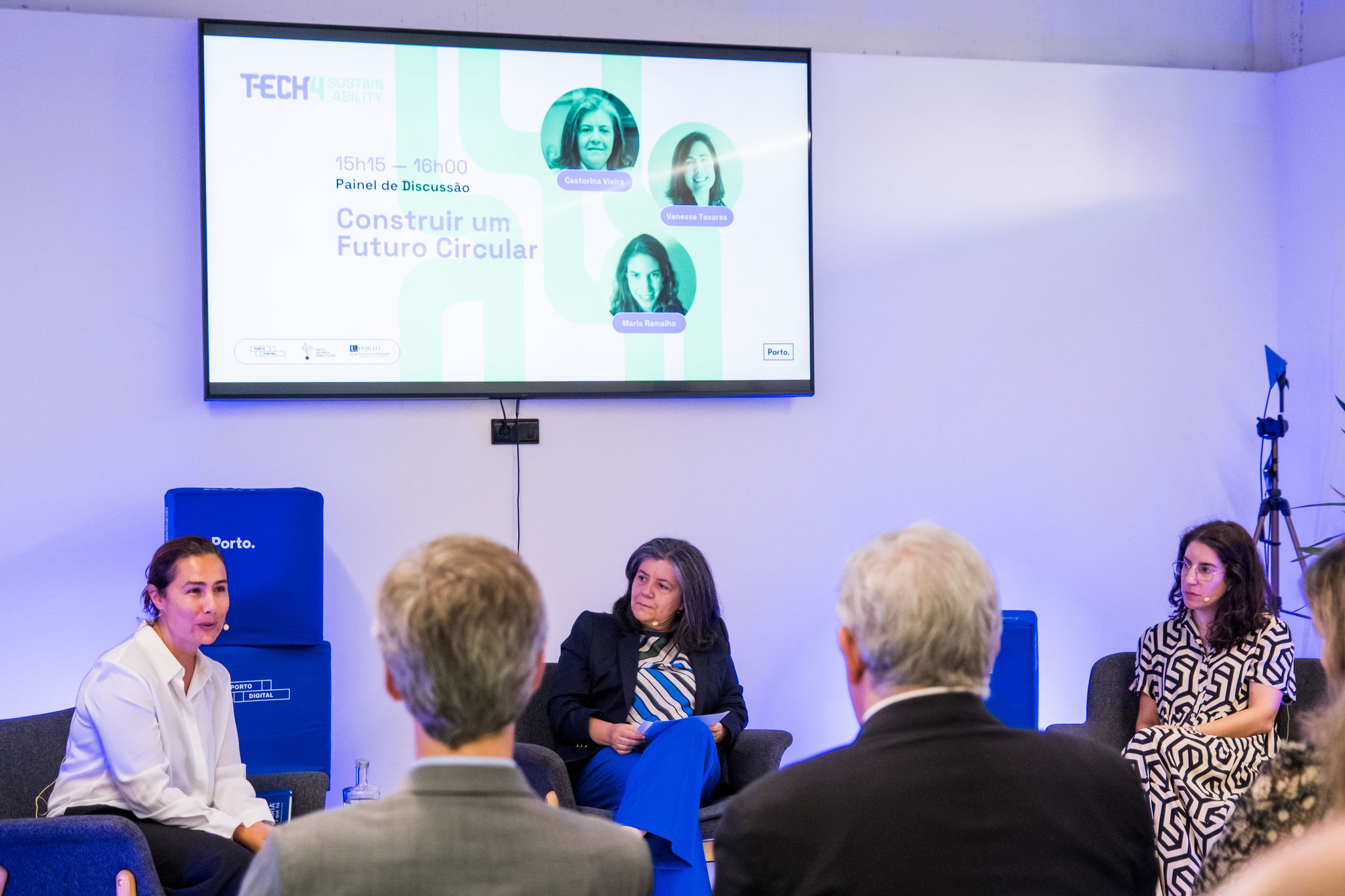
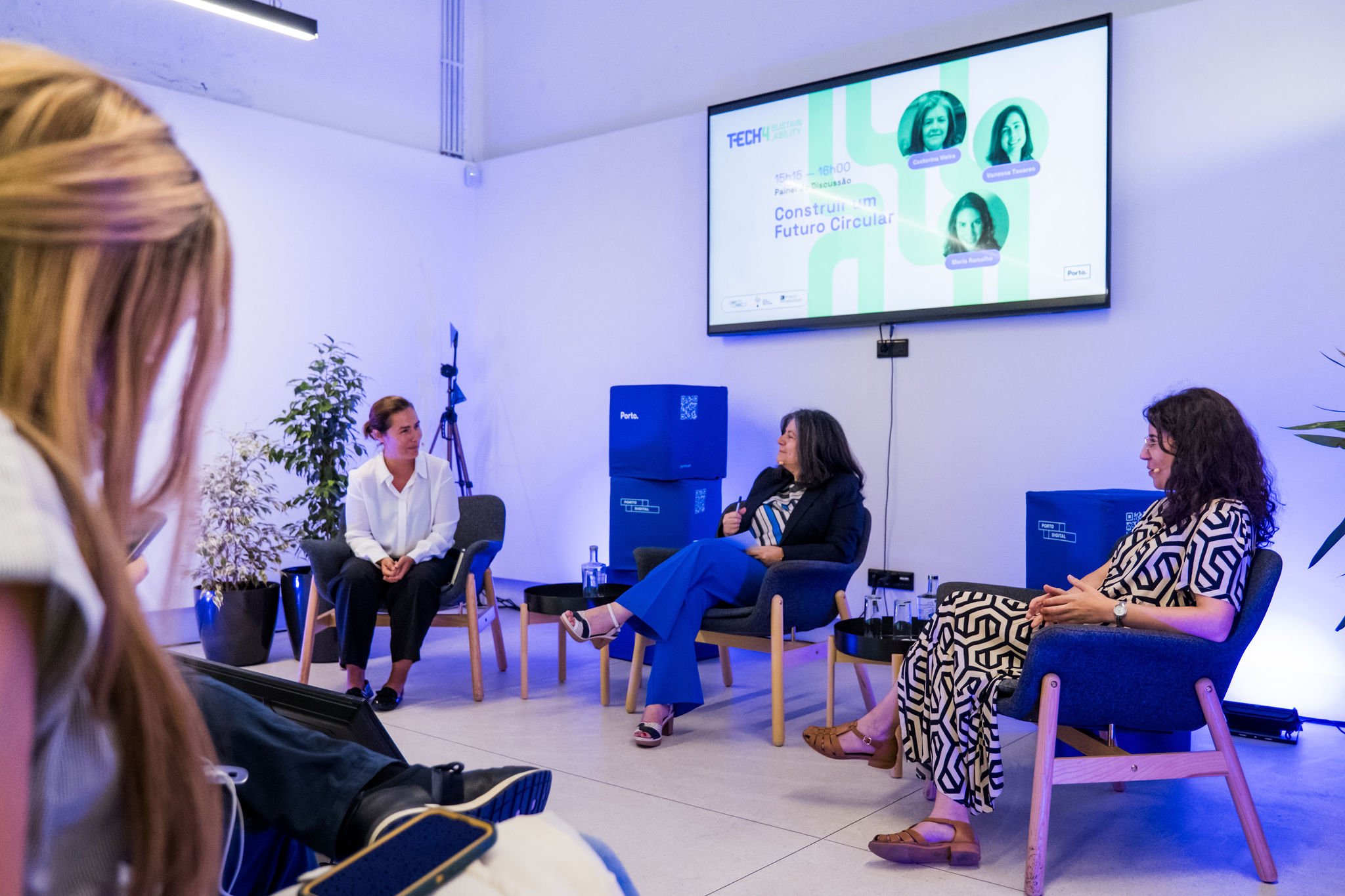
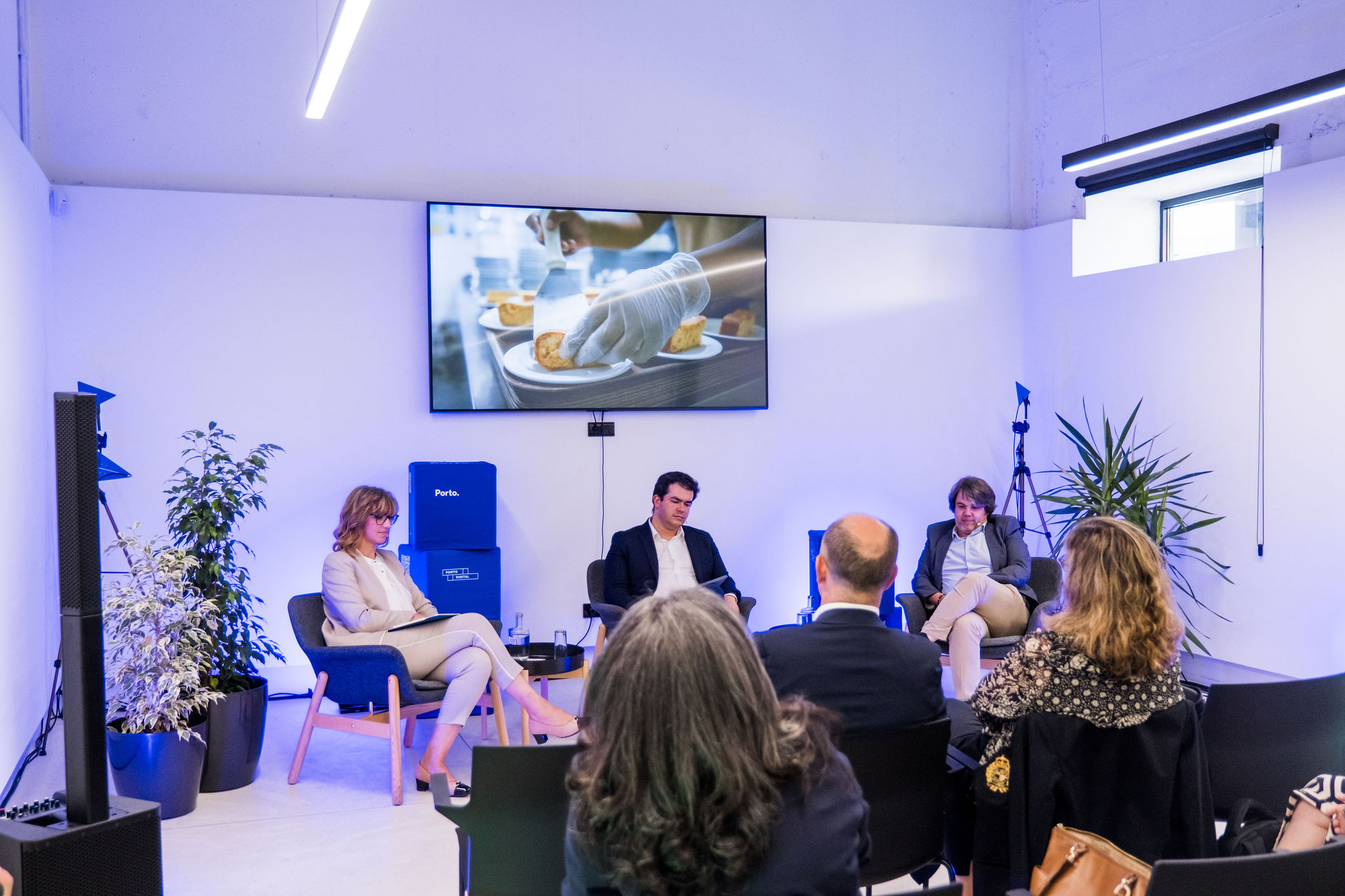
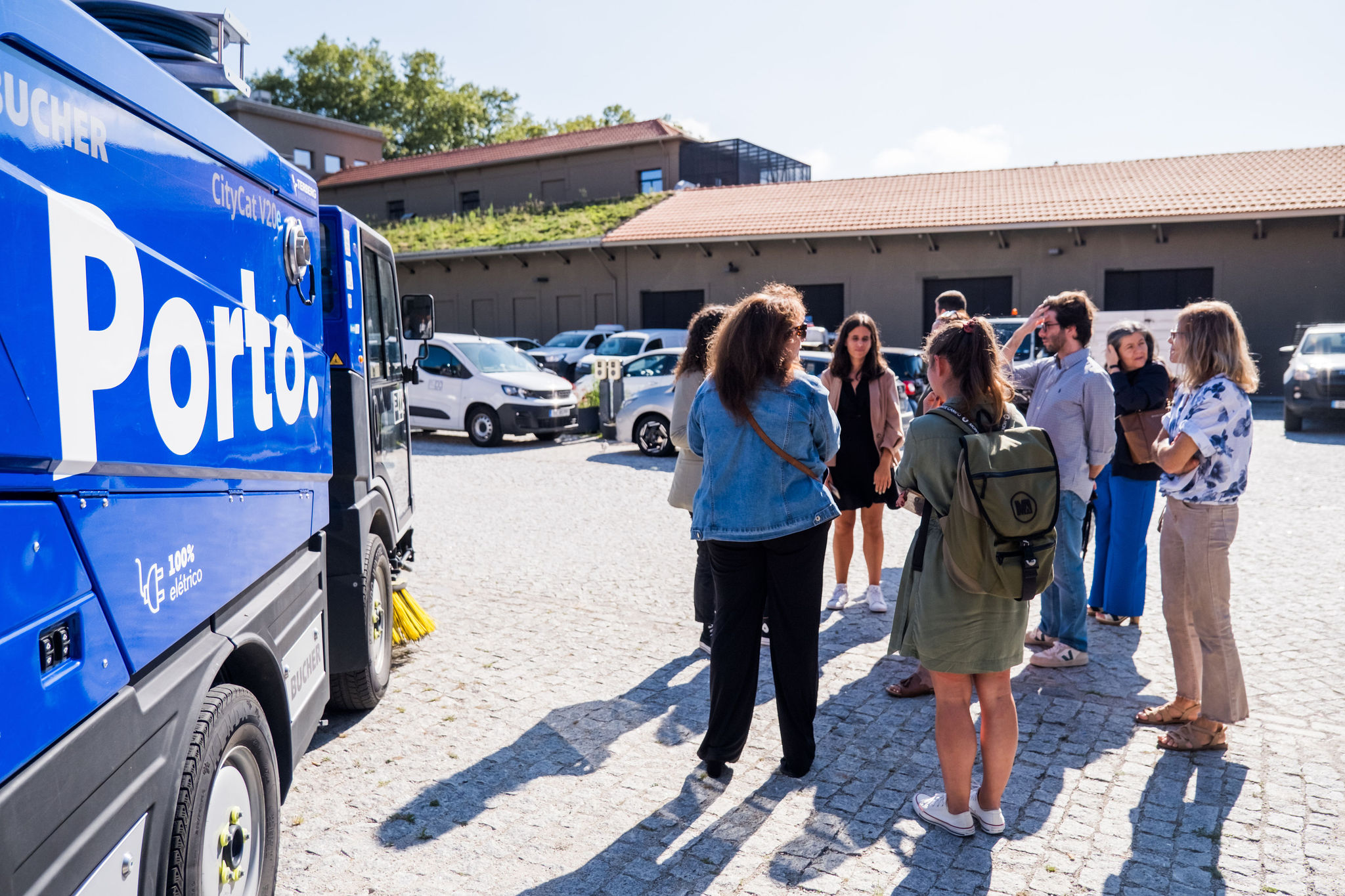
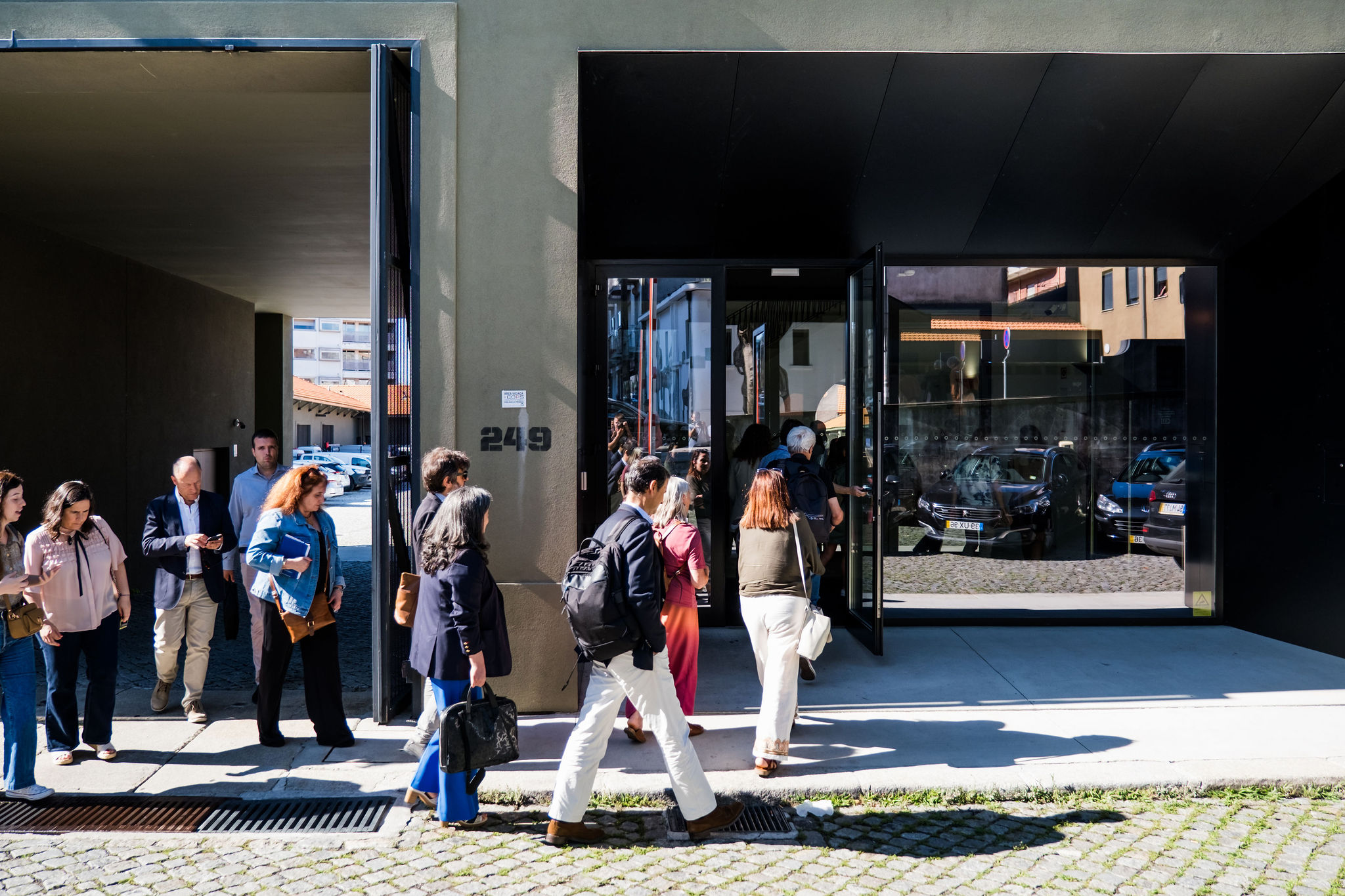
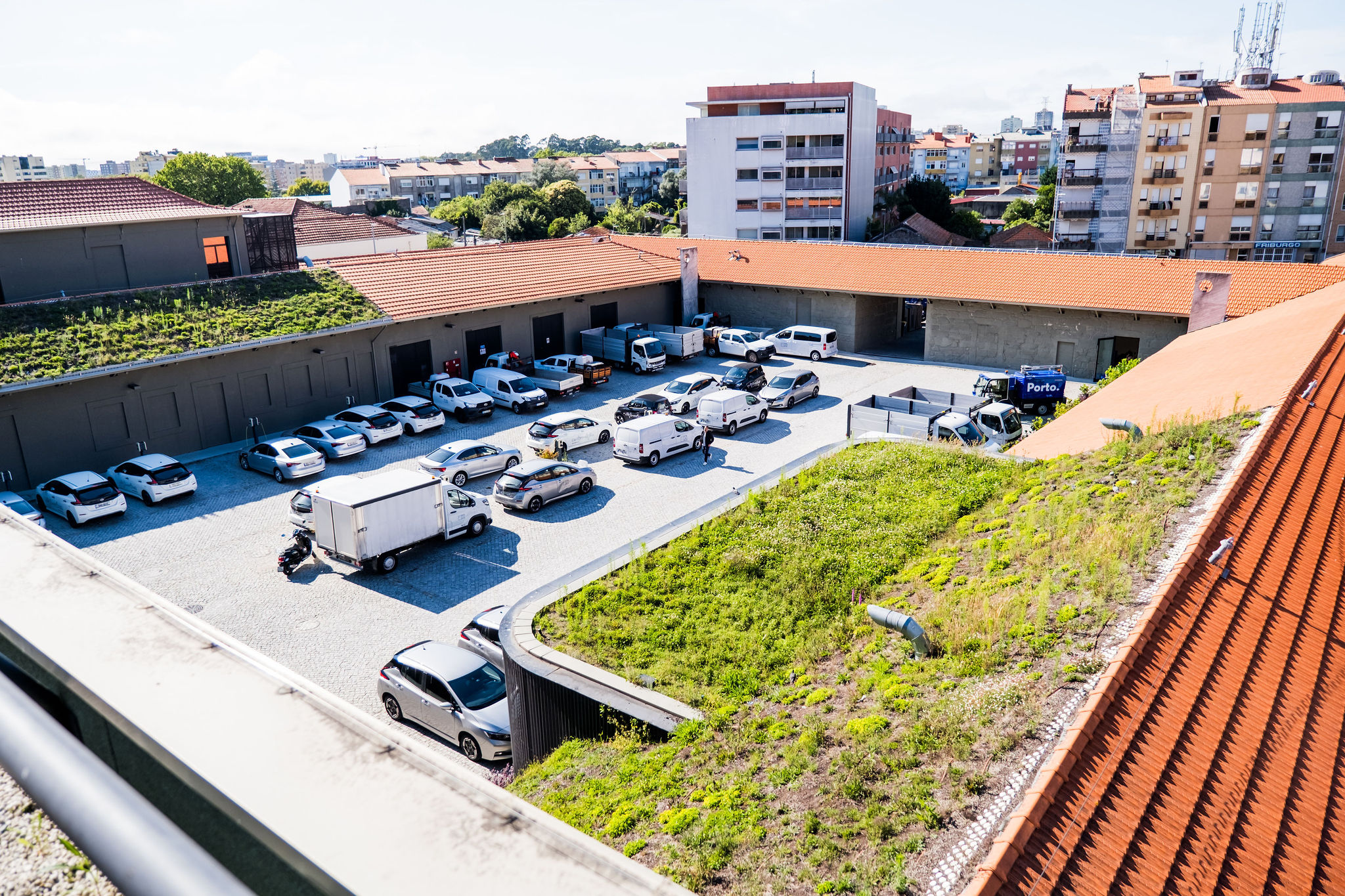
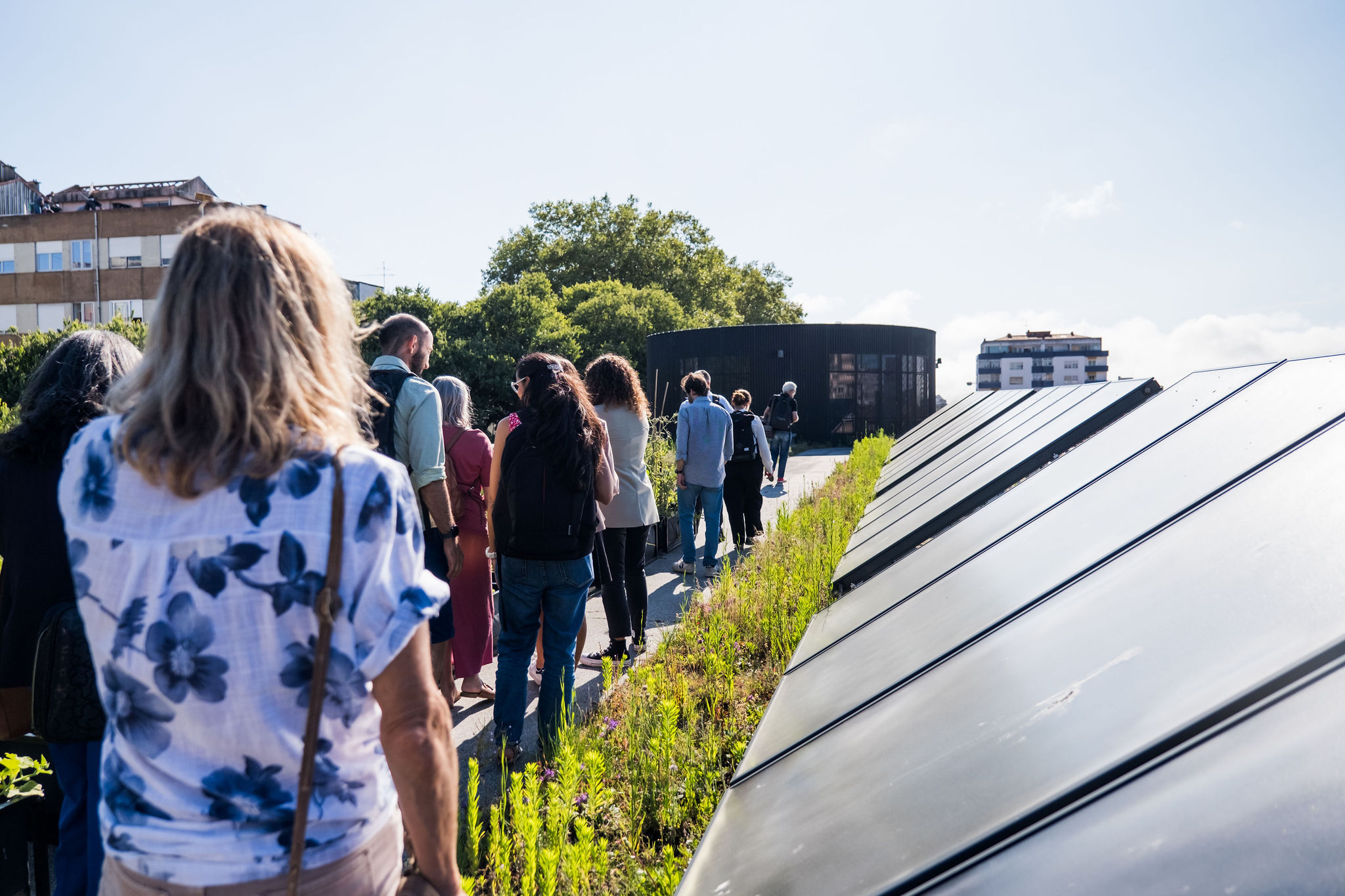
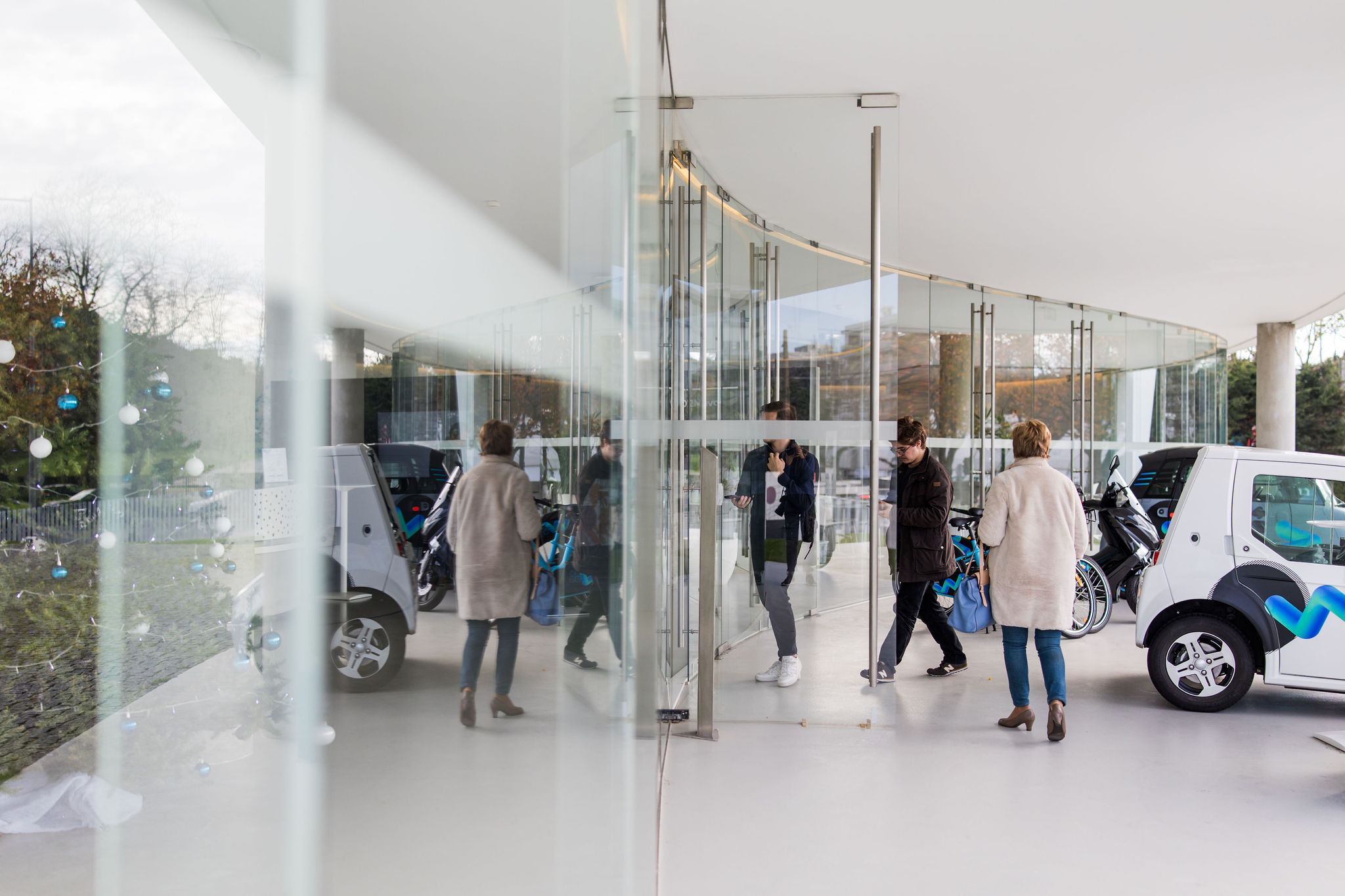
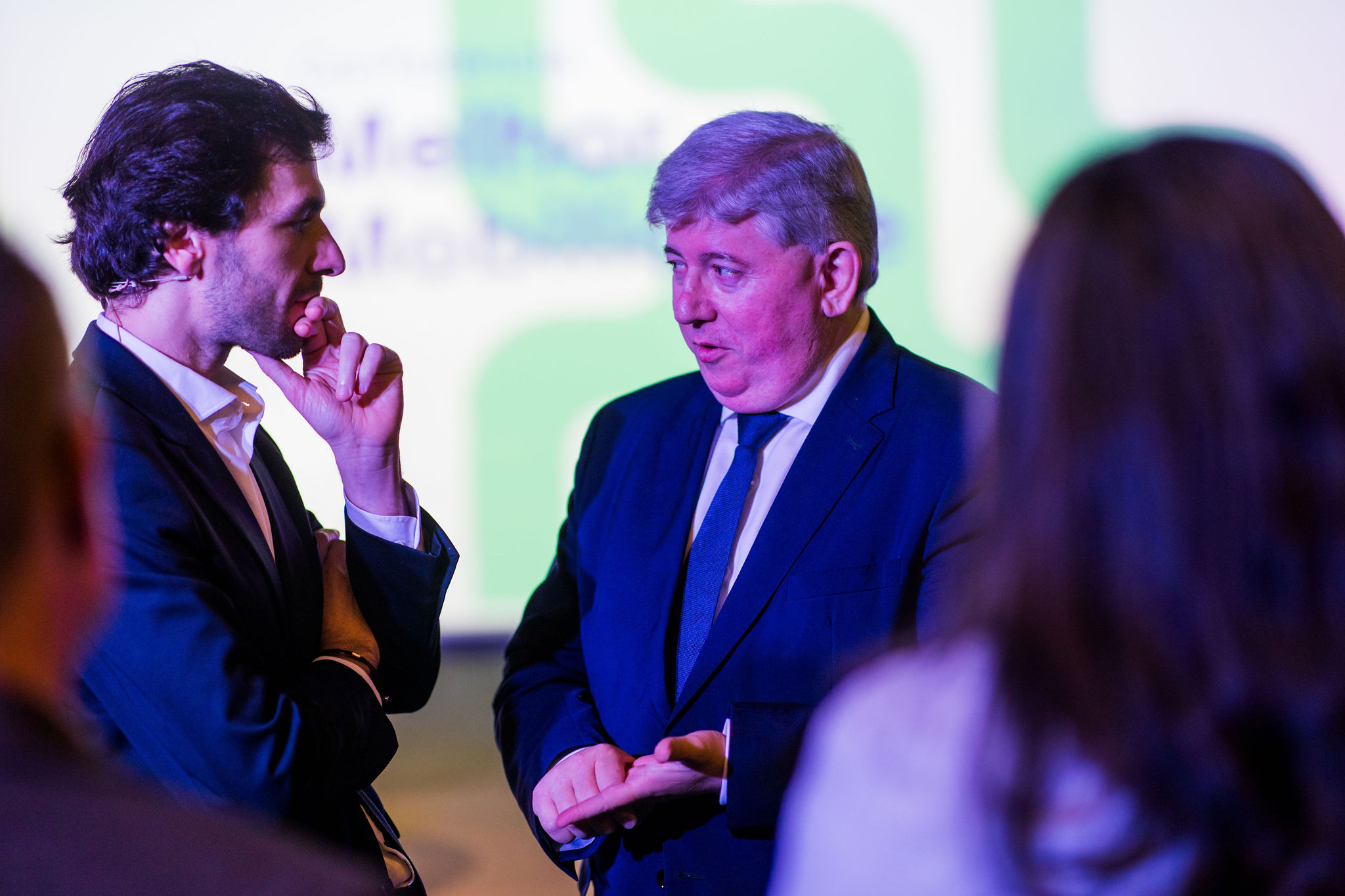
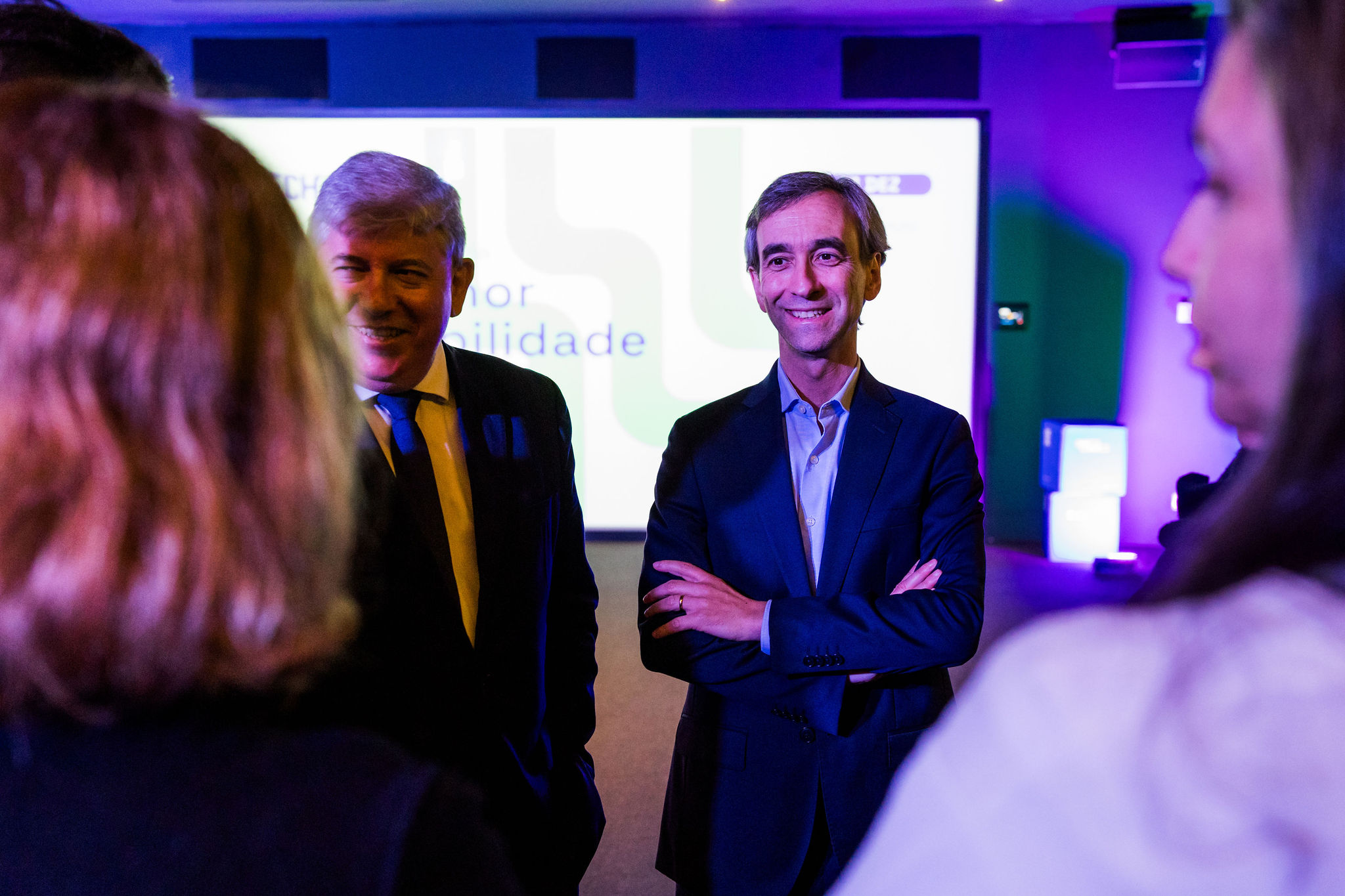
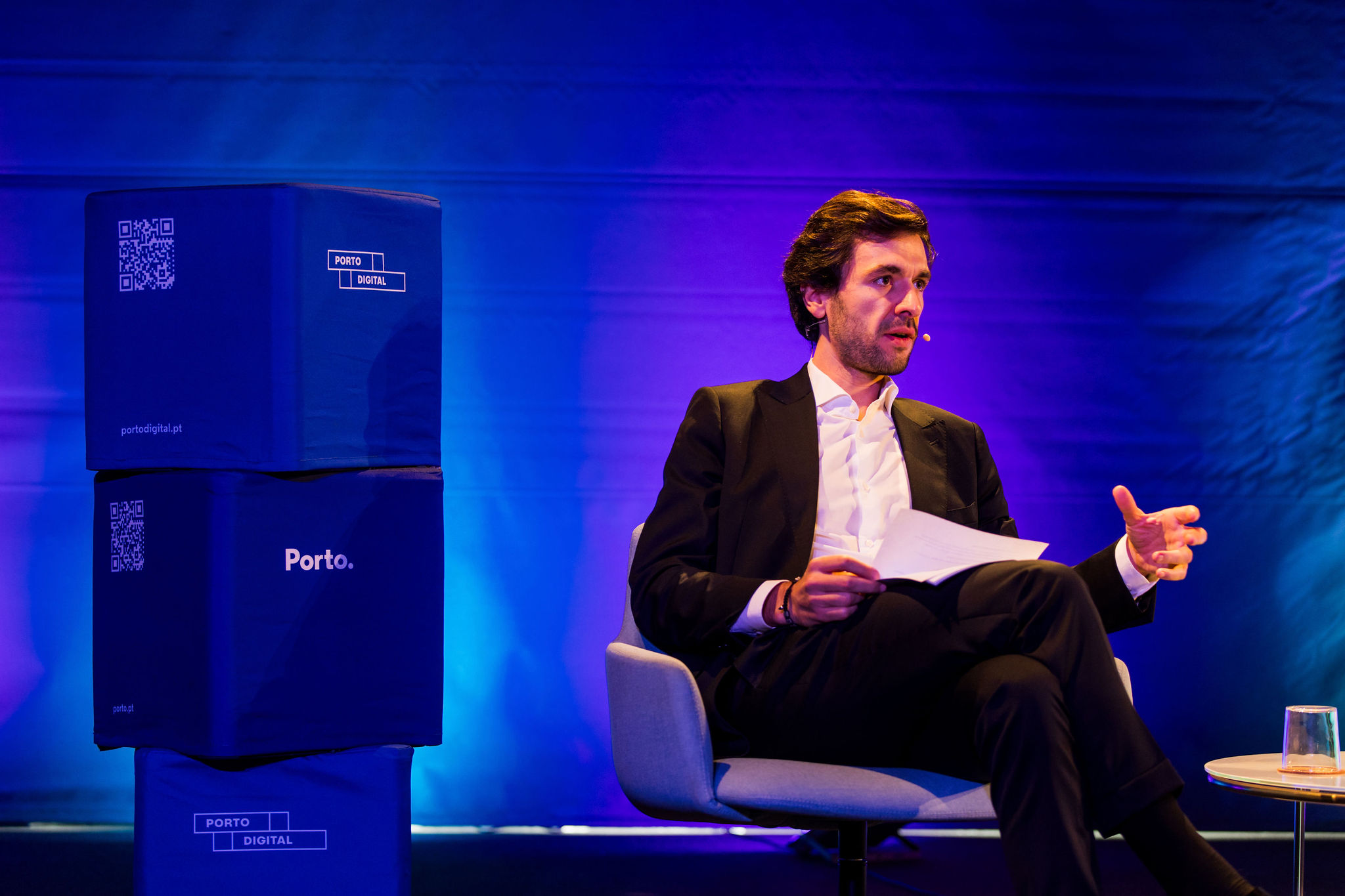
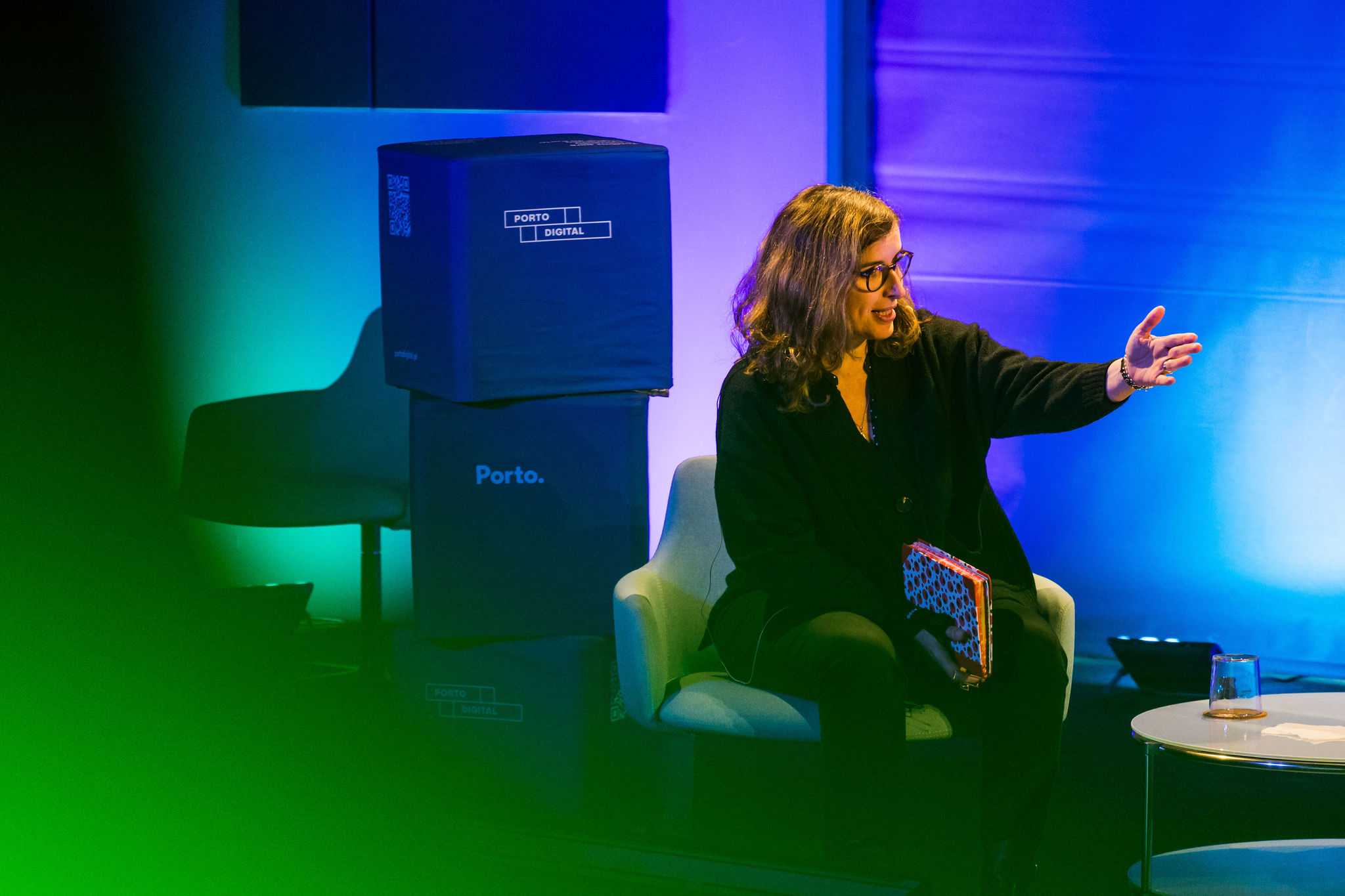

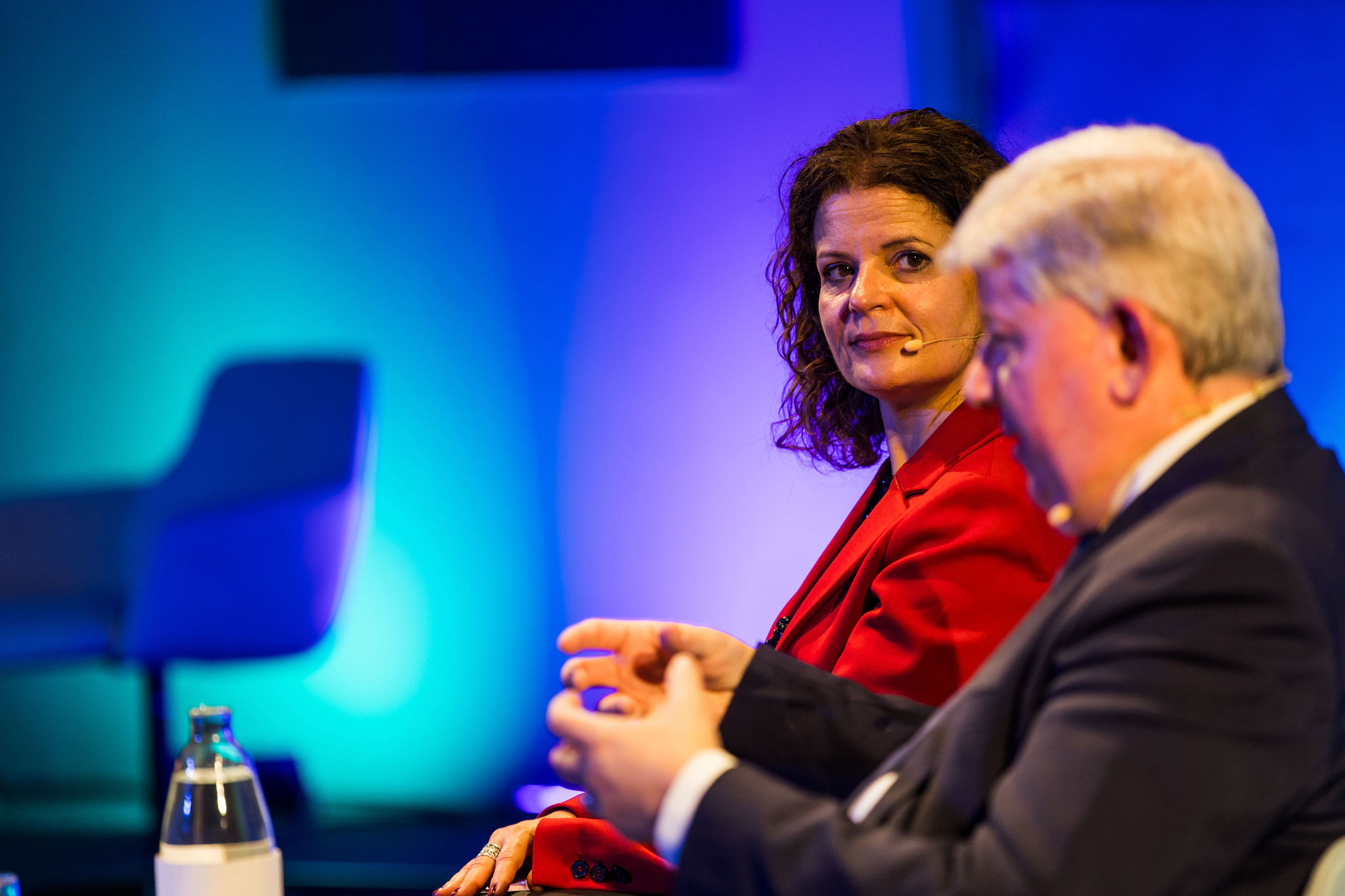
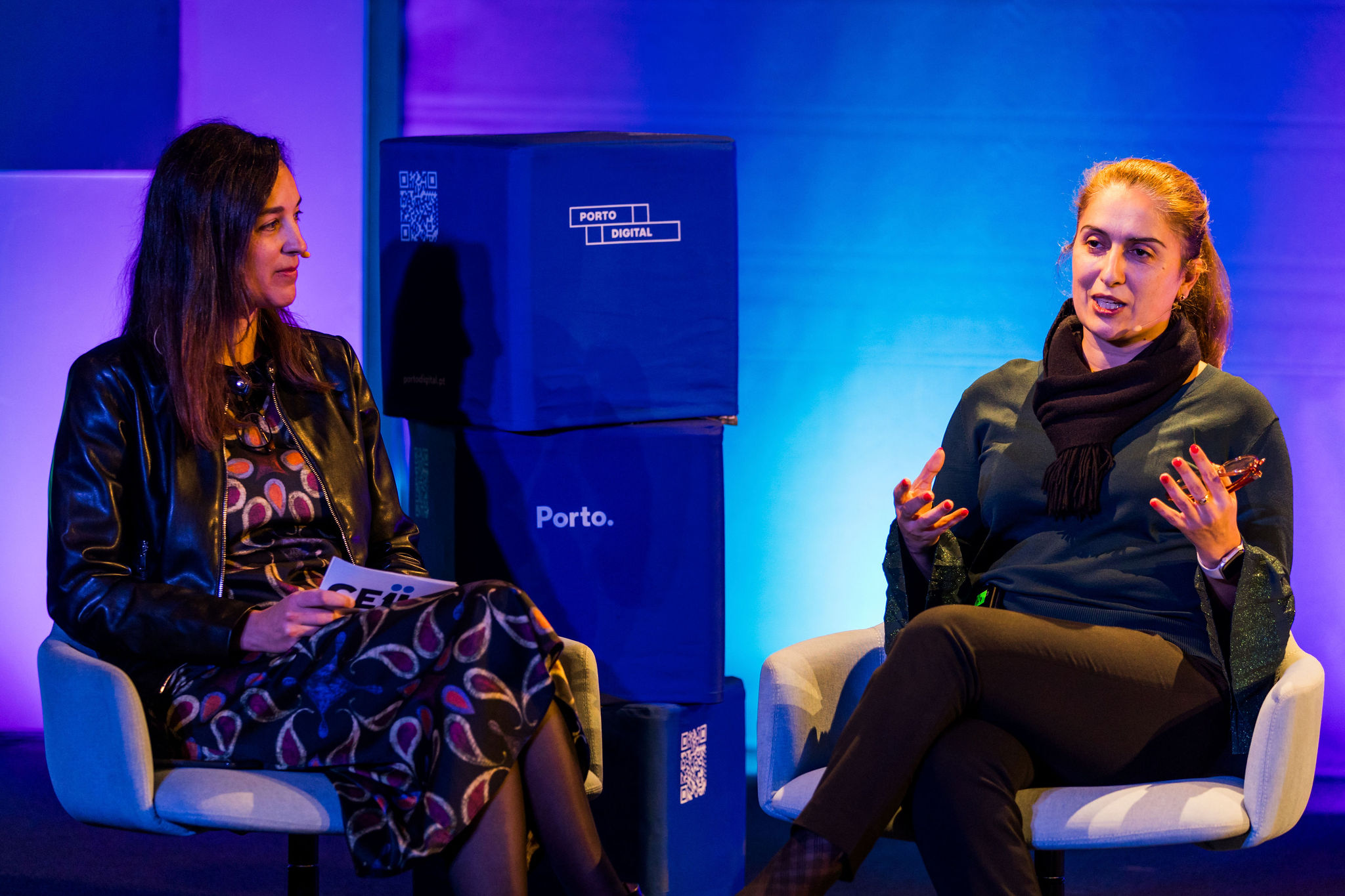
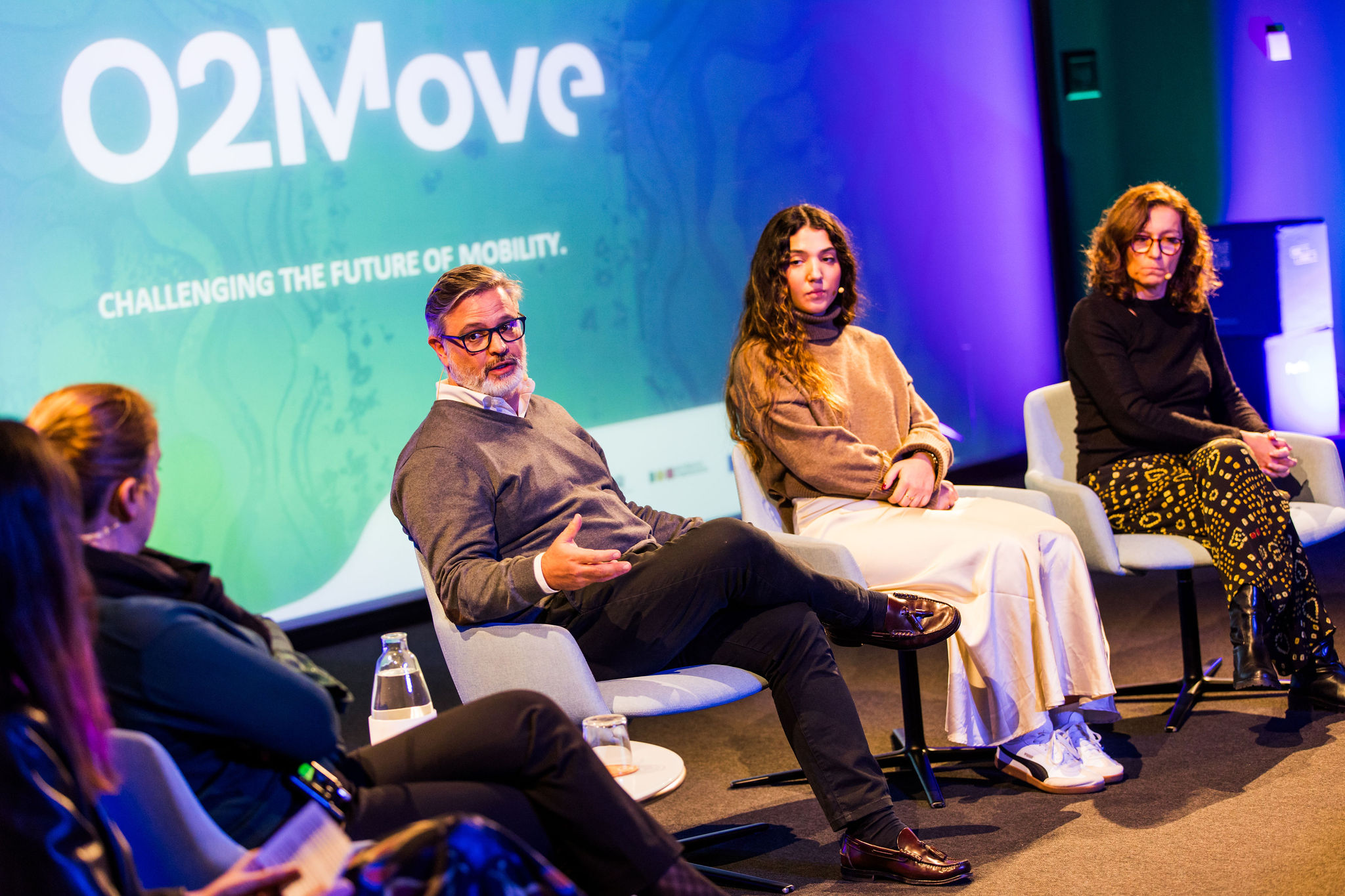
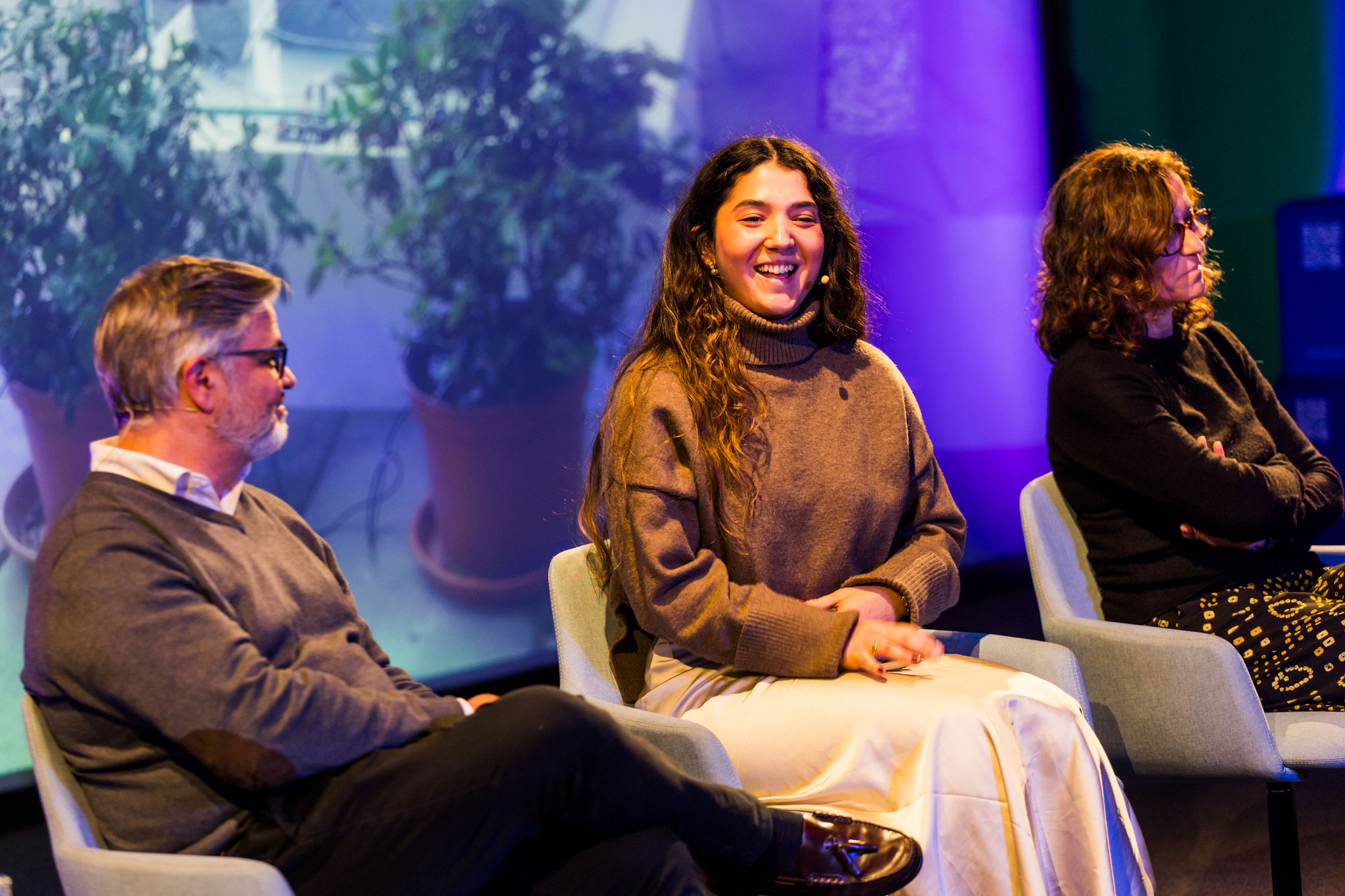
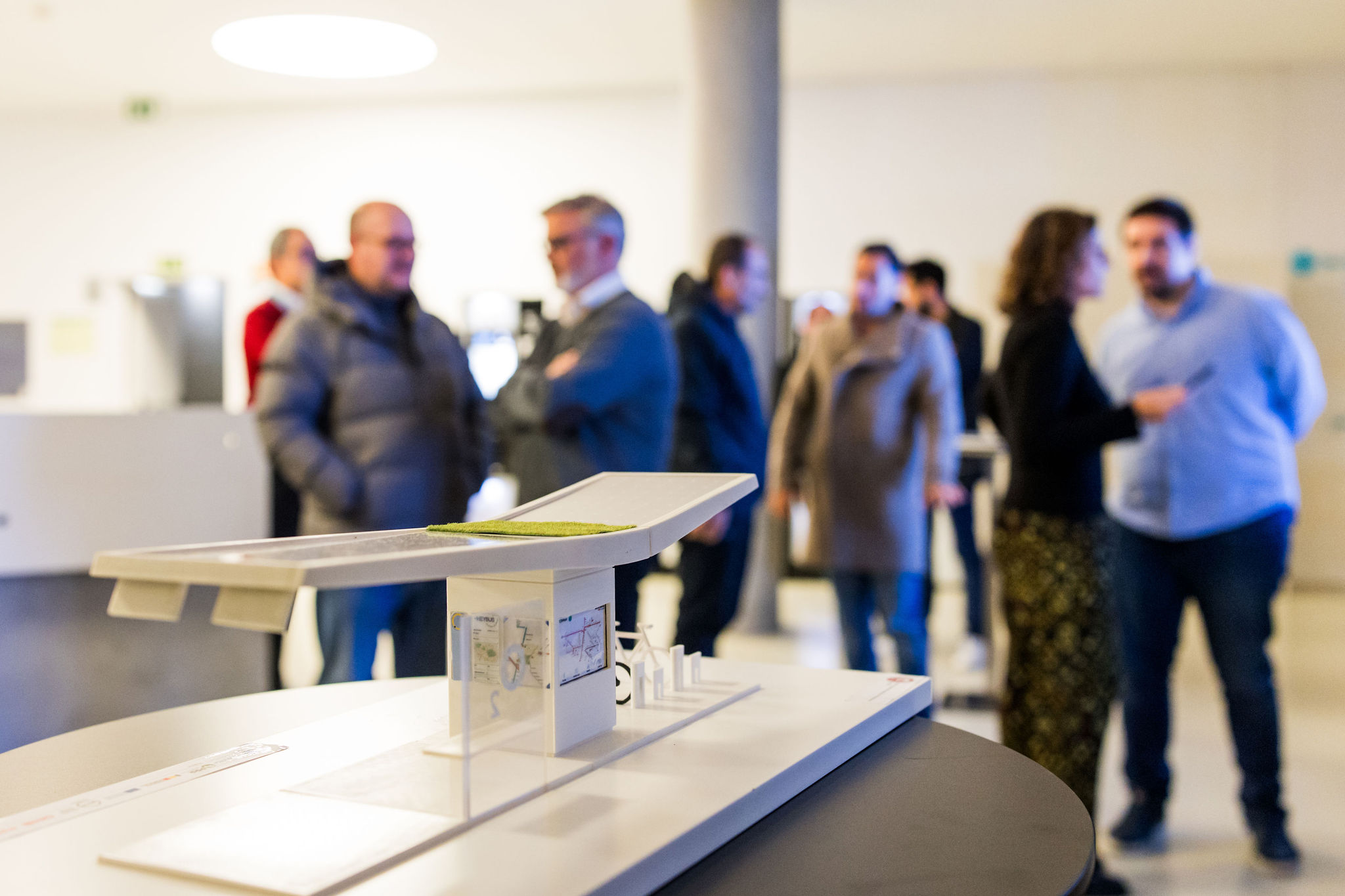
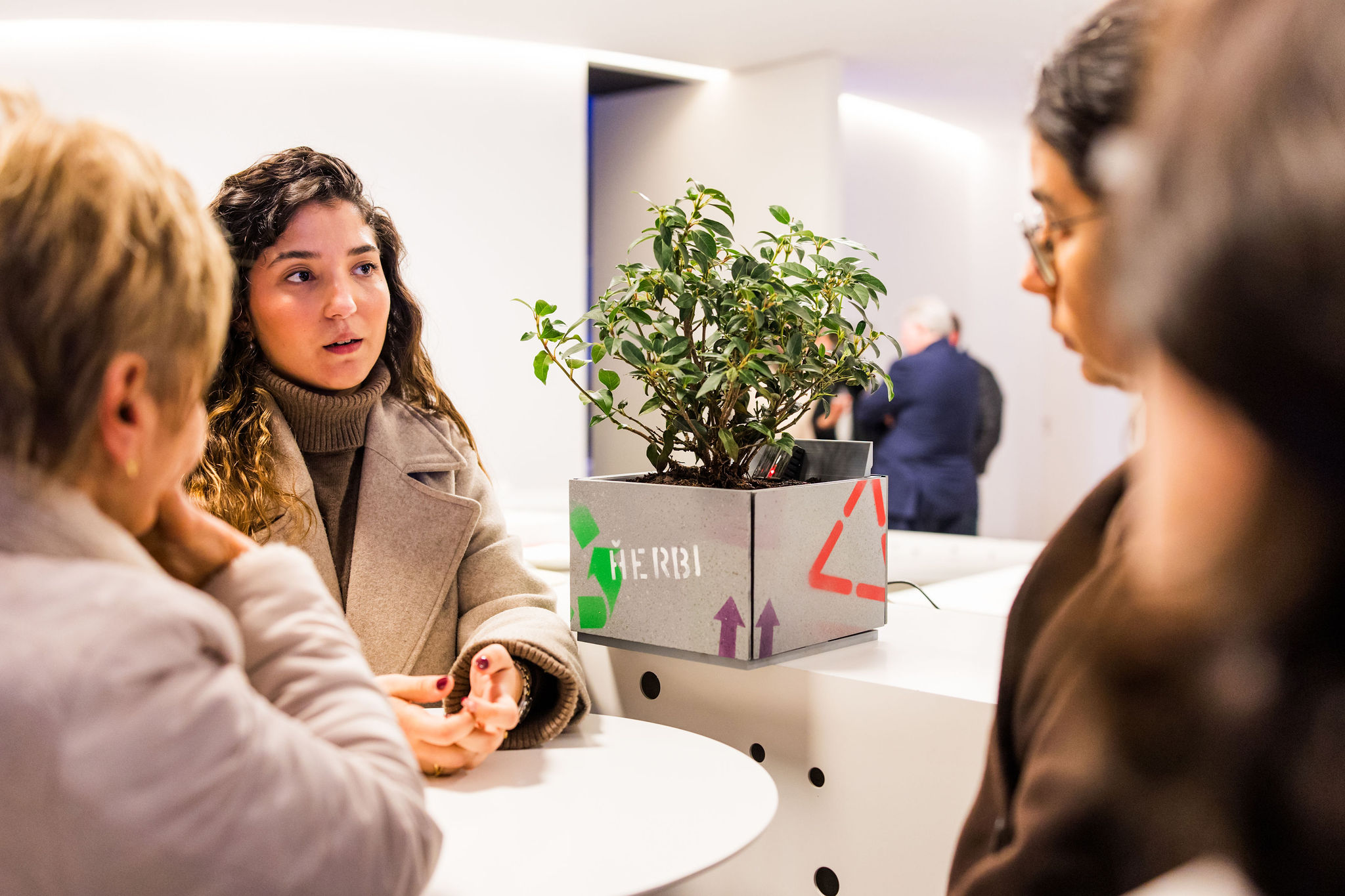
How is Porto preparing for the challenges of the cities of the future? This was the question that led to TECH4 Sustainability, a collaborative process that brought together science, technology and civic participation with the aim of thinking about the city of tomorrow.
During three conferences held over the course of a year, this activity, promoted by the Municipality of Porto, coordinated by Porto Digital and the Municipal Directorate for Carbon Neutrality, in partnership with the Faculty of Engineering of the University of Porto (FEUP), demonstrated how complex scientific concepts can be transformed into practical and tangible solutions for urban challenges.
Numbers that tell a success story
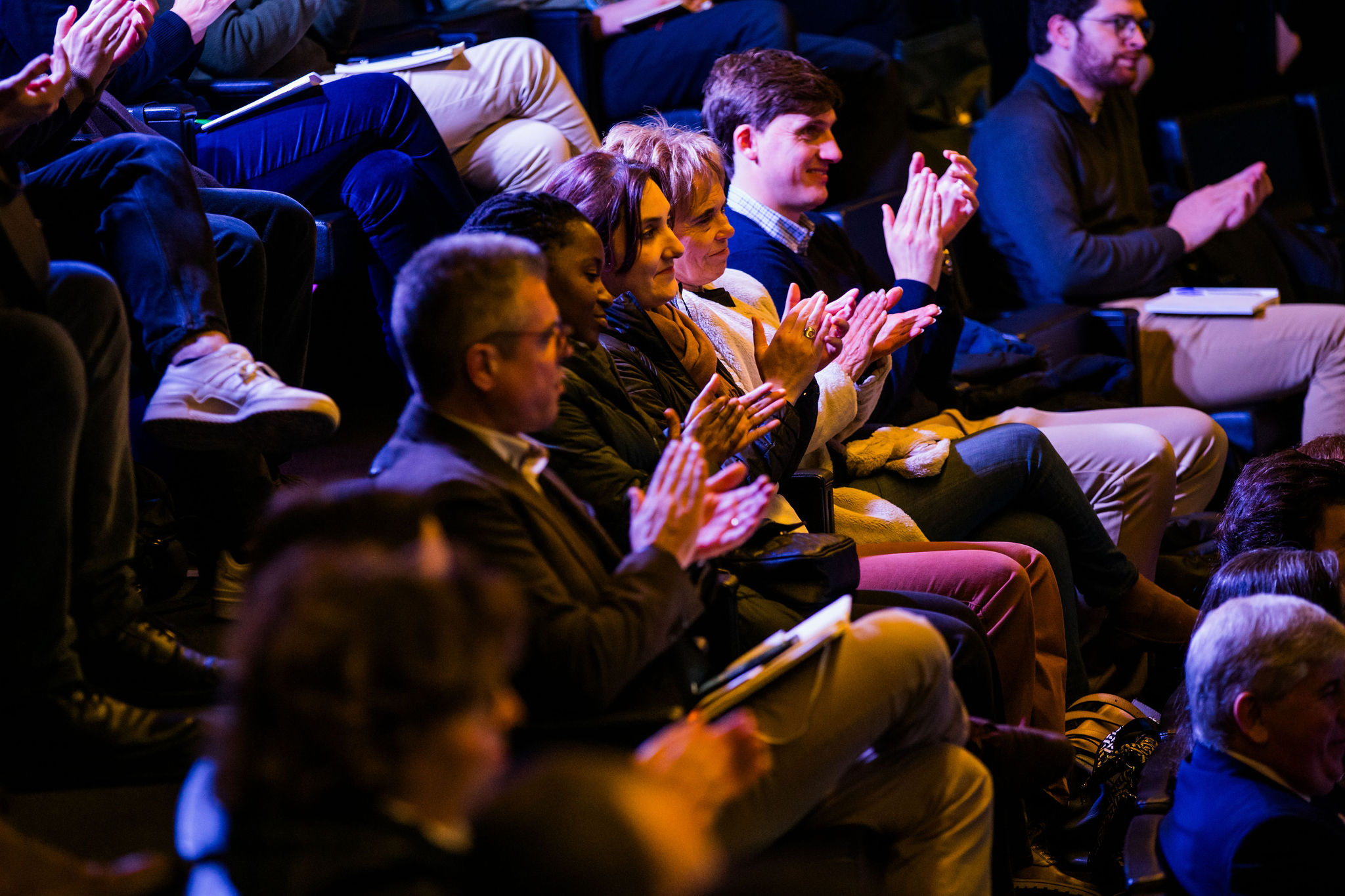
The results achieved by TECH4 Sustainability demonstrate the real impact of this approach. In just three conferences, 158 participants from various fields gathered to discuss concrete solutions, including researchers, academics, policymakers, and business representatives. More than just a number, this data reveals the community’s growing interest in the challenges of urban sustainability.
At the same time, 13 informative videos were produced, which continue to be living learning resources available on the initiative’s website, as well as white papers developed for each topic, representing one of the greatest legacies of the activity – documents that consolidate knowledge and concrete proposals for application, accessible to all those interested in building more sustainable cities.
From the energy that powers buildings to the way we move around
TECH4 Sustainability stood out for the way it brought together three seemingly distinct themes into a cohesive narrative on urban sustainability. From the energy that powers buildings to the way we move around the streets, each conference revealed how circularity, clean energy and mobility are interconnected in building a more efficient and humane city.
Greater Circularity: rethinking the urban life cycle
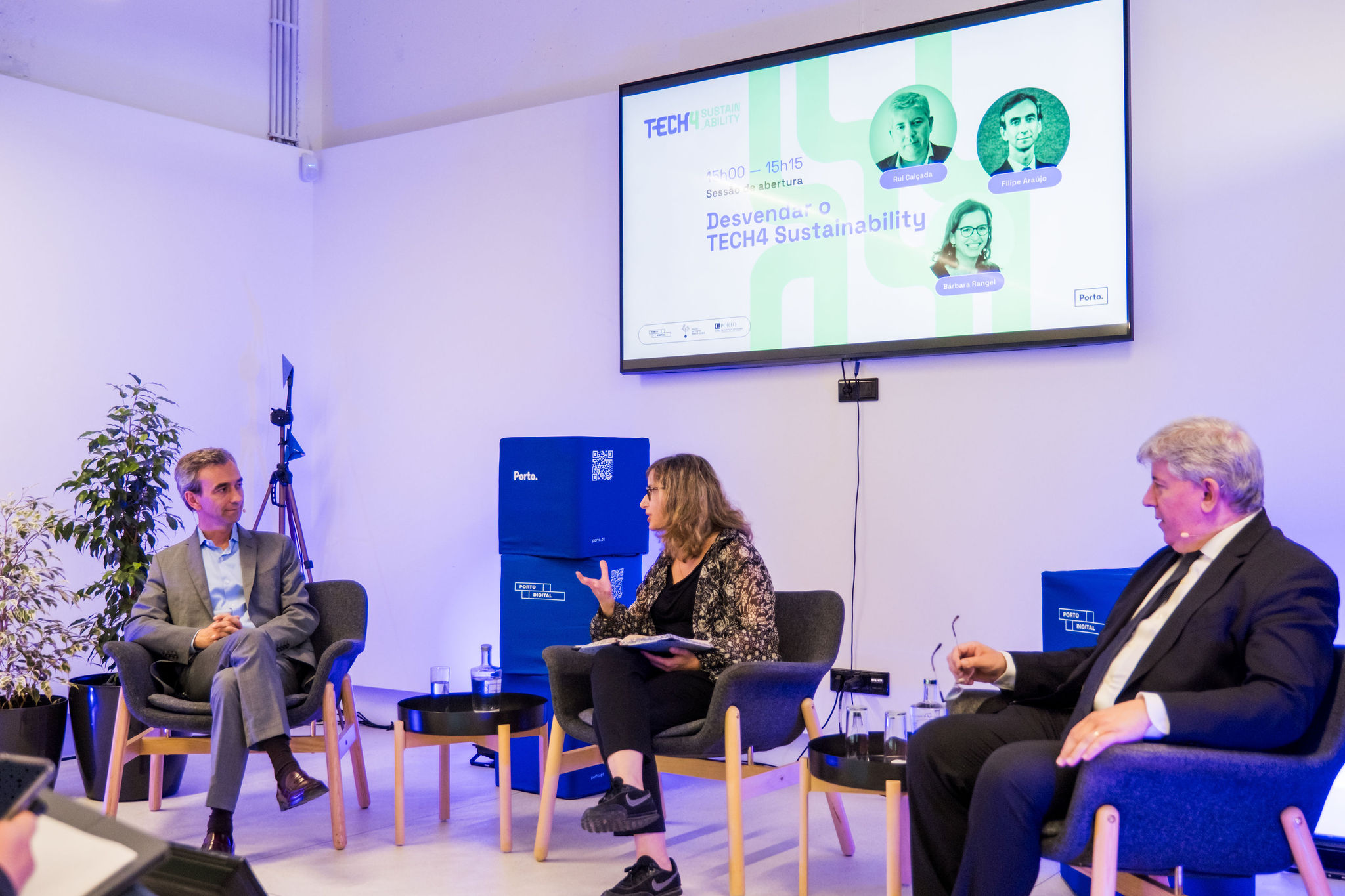
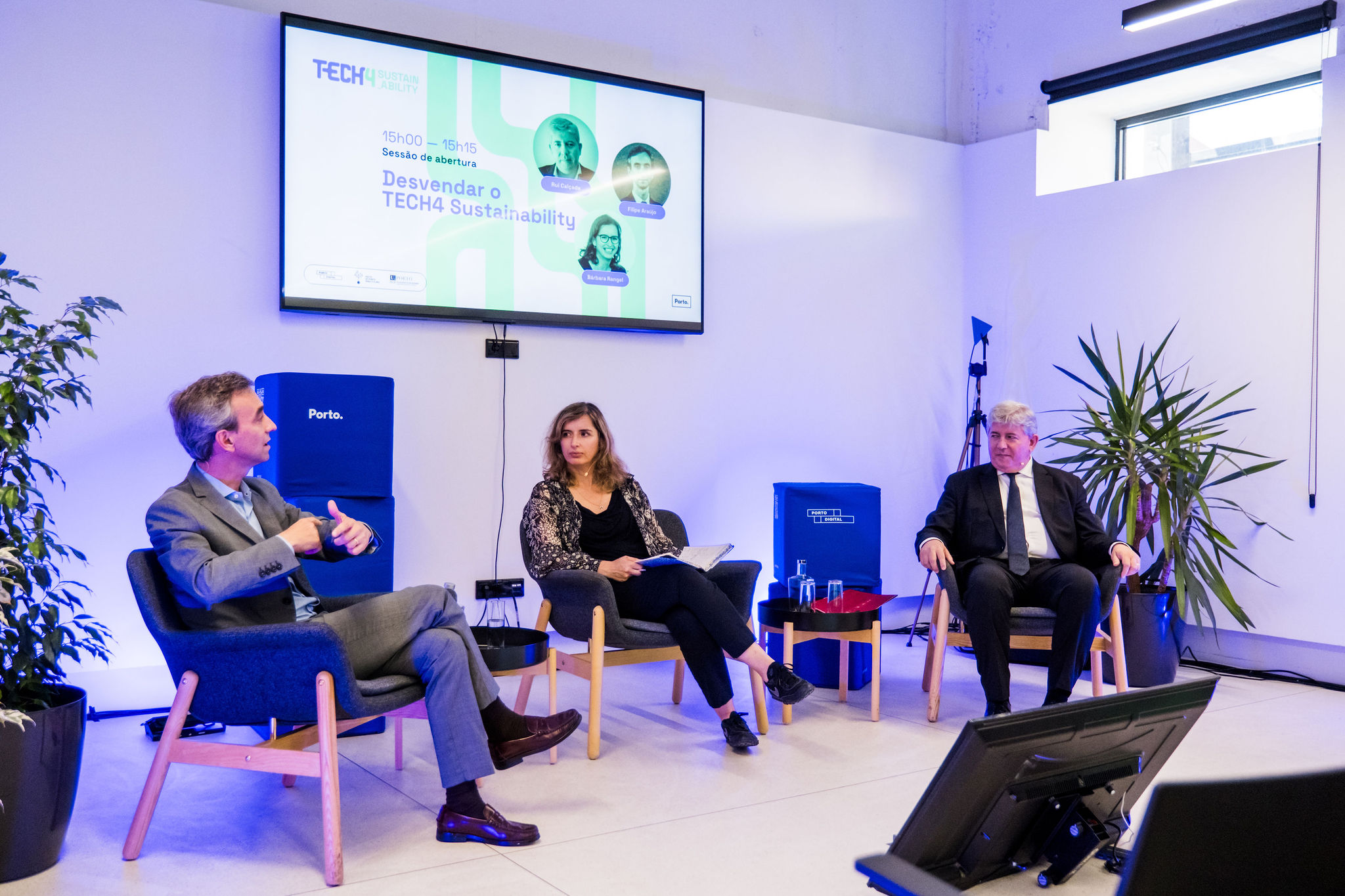
The first conference, held in July 2024 at the Porto Ambiente facilities, laid the foundations for a new way of thinking about urban resources. The first conference, held in July 2024 at the Porto Ambiente facilities, laid the foundations for a new way of thinking about urban resources. As explained by Bárbara Rangel, from the Department of Civil Engineering at FEUP, who moderated the opening session, the aim was to “highlight the importance of reassessing the life cycle of products and materials”.
More Clean Energy: innovation at the service of energy transition
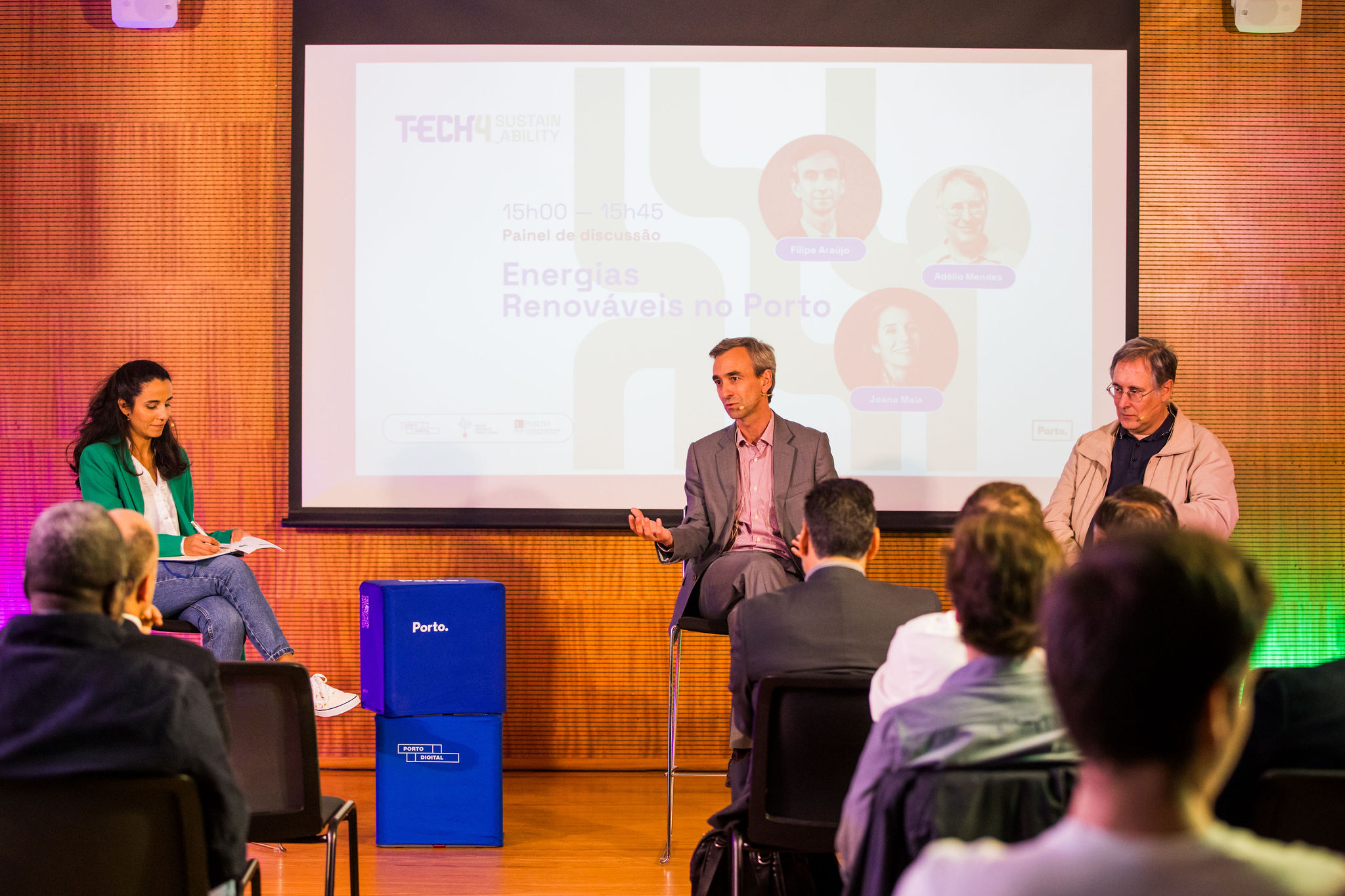
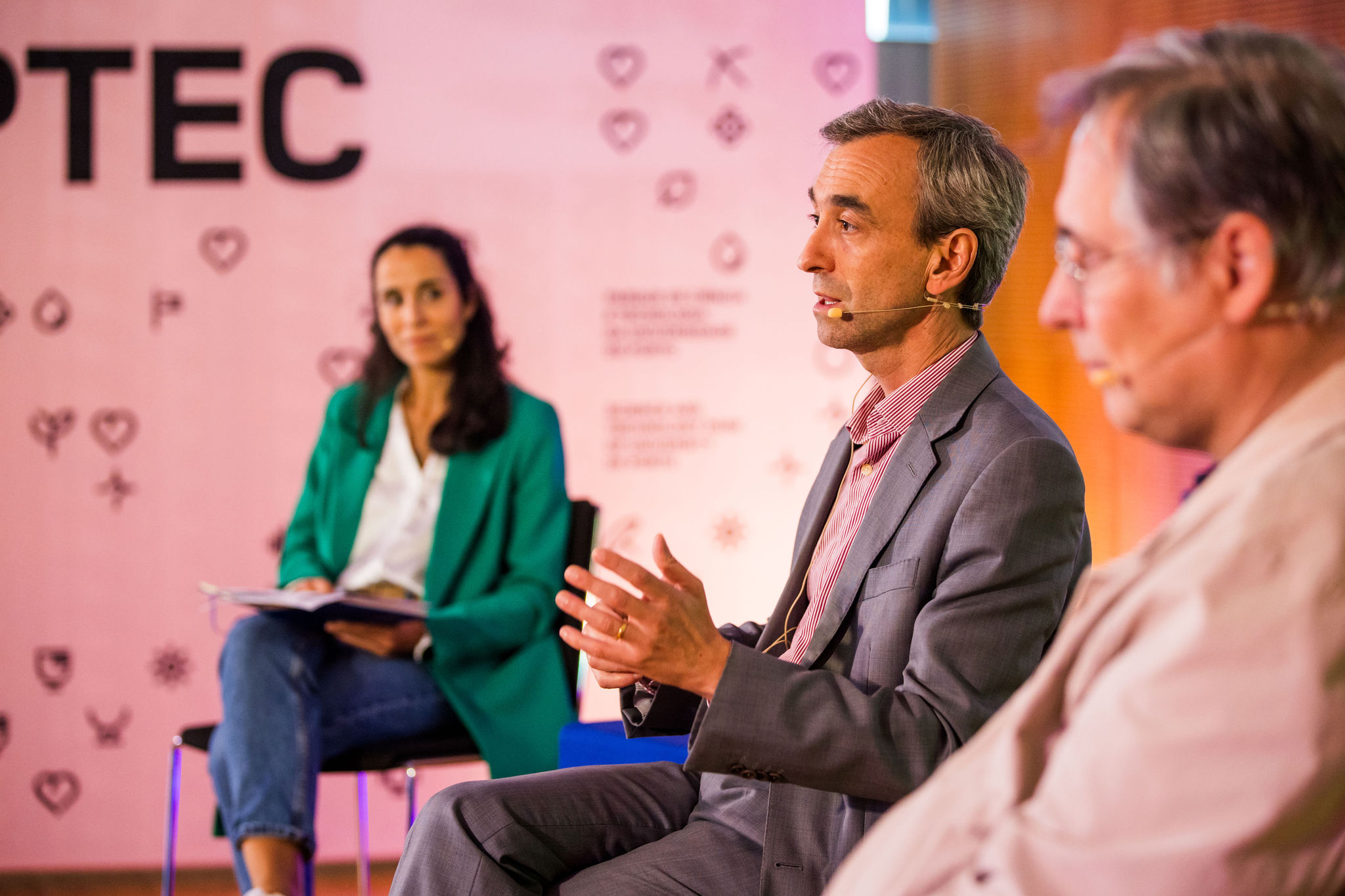
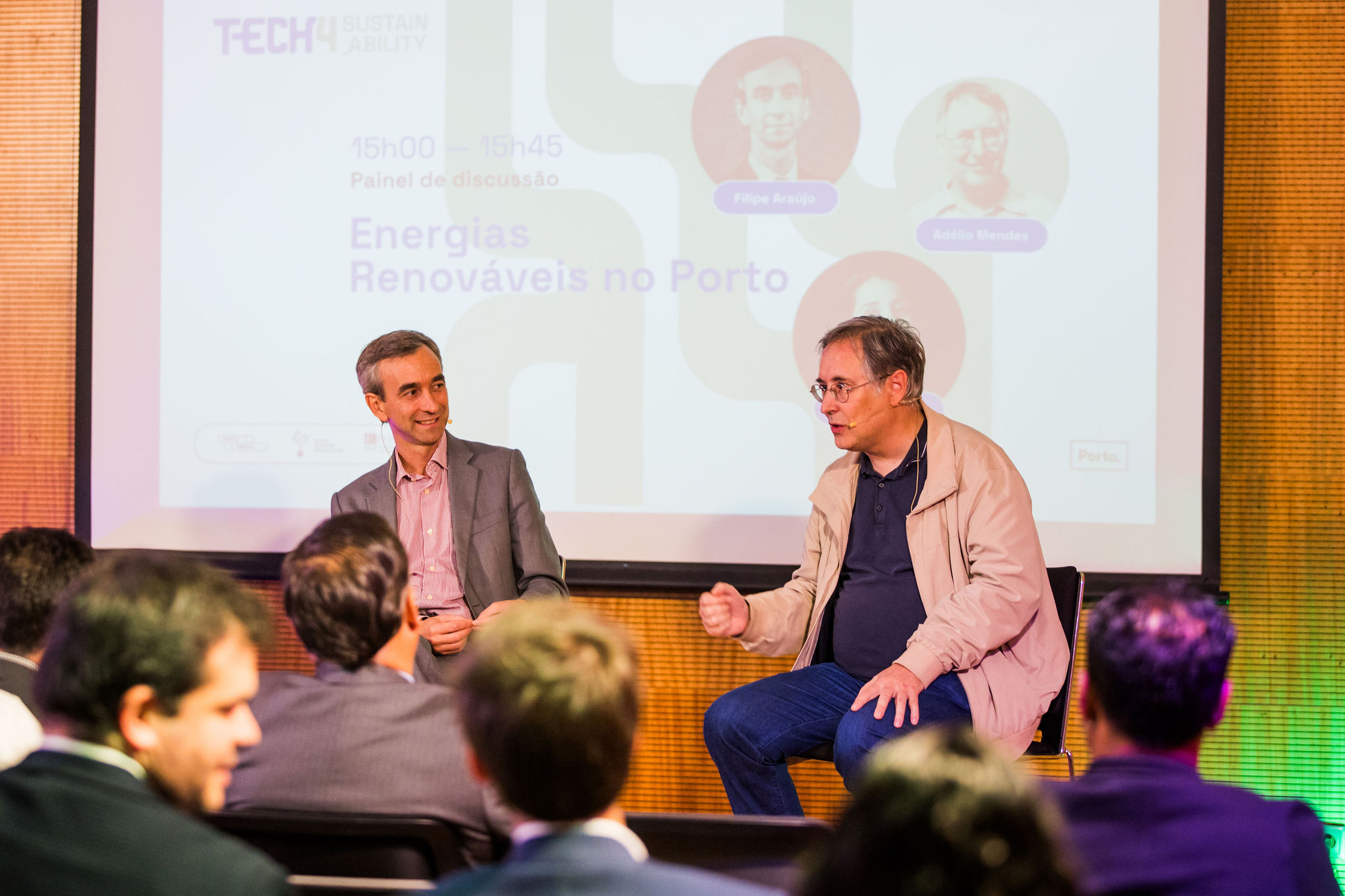
The second conference, held in October at UPTEC, brought innovative projects to light. One of the highlights was the academic project led by FEUP that converts methane into hydrogen and carbon without CO2 emissions, offering a cleaner and 50% more economical alternative for hydrogen production when using natural gas, and with savings of up to 90% when based on biogas.
As explained by Adélio Mendes, a researcher at FEUP’s LEPABE, this technology aims to be “low-cost, sustainable, quick to implement, and capable of being used in stationary and mobile applications.” The researcher added an ambitious perspective: “I believe that we can still aspire for this technology not only to emit no polluting gases, but also to remove them from the atmosphere.”
At the same time, initiatives such as the use of biogas for energy production at the Freixo WWTP were presented, demonstrating how municipal infrastructure can contribute to the city’s energy autonomy.
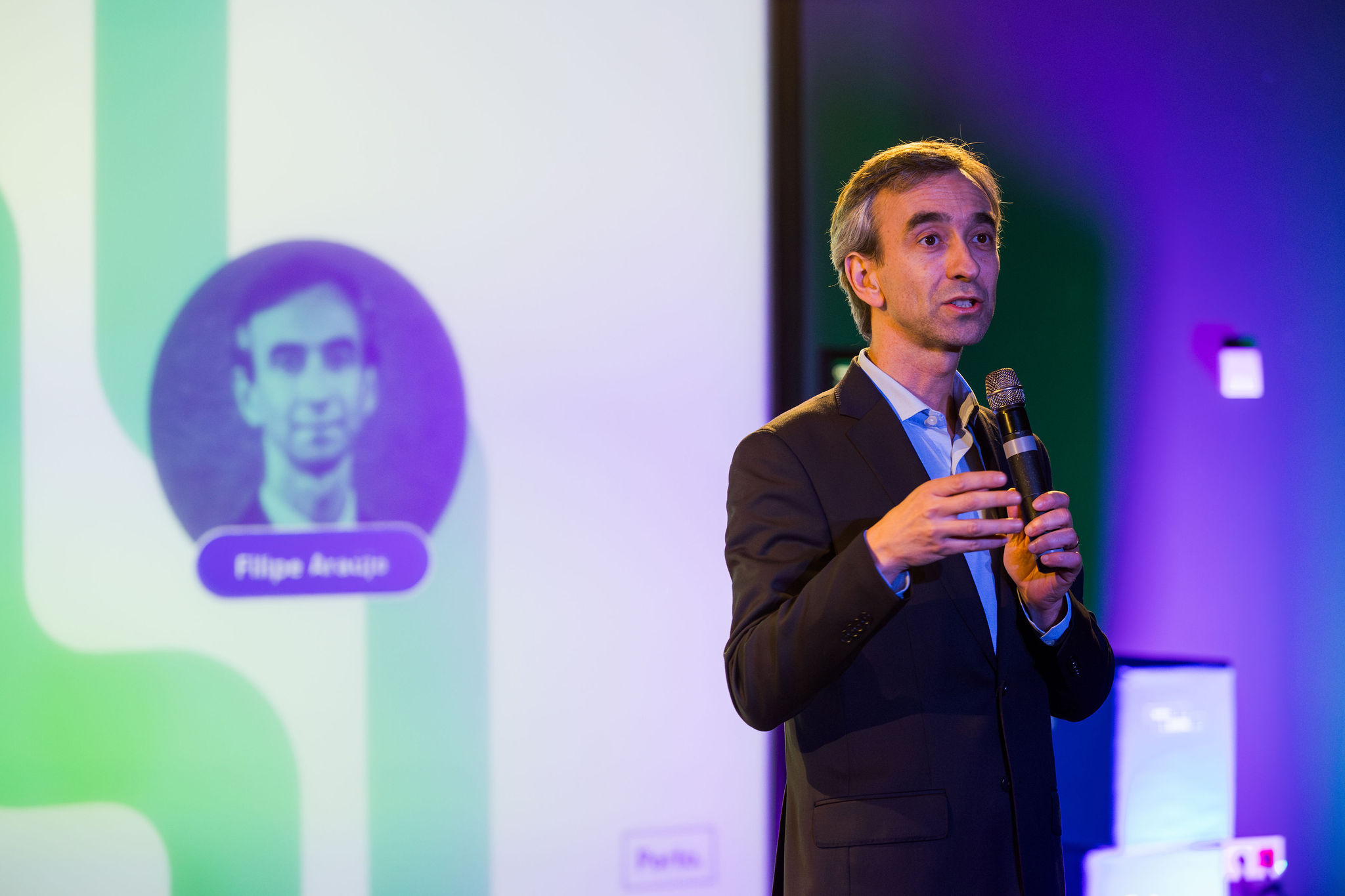
Filipe Araújo, vice-president of Porto City Council, emphasised during the conference the municipal commitment to initiatives that promote ‘greater energy autonomy’ through solar panels, renewable energy communities and tax benefits.
Another noteworthy project was POSEIDON, focused on offshore wind energy. Developed by researchers at FEUP, this project studies innovative solutions to reinforce the stability of turbine foundations in a maritime environment and reduce maintenance costs, contributing to increased reliability and competitiveness of wind energy in the context of energy transition.
Better Mobility: the urban transport revolution
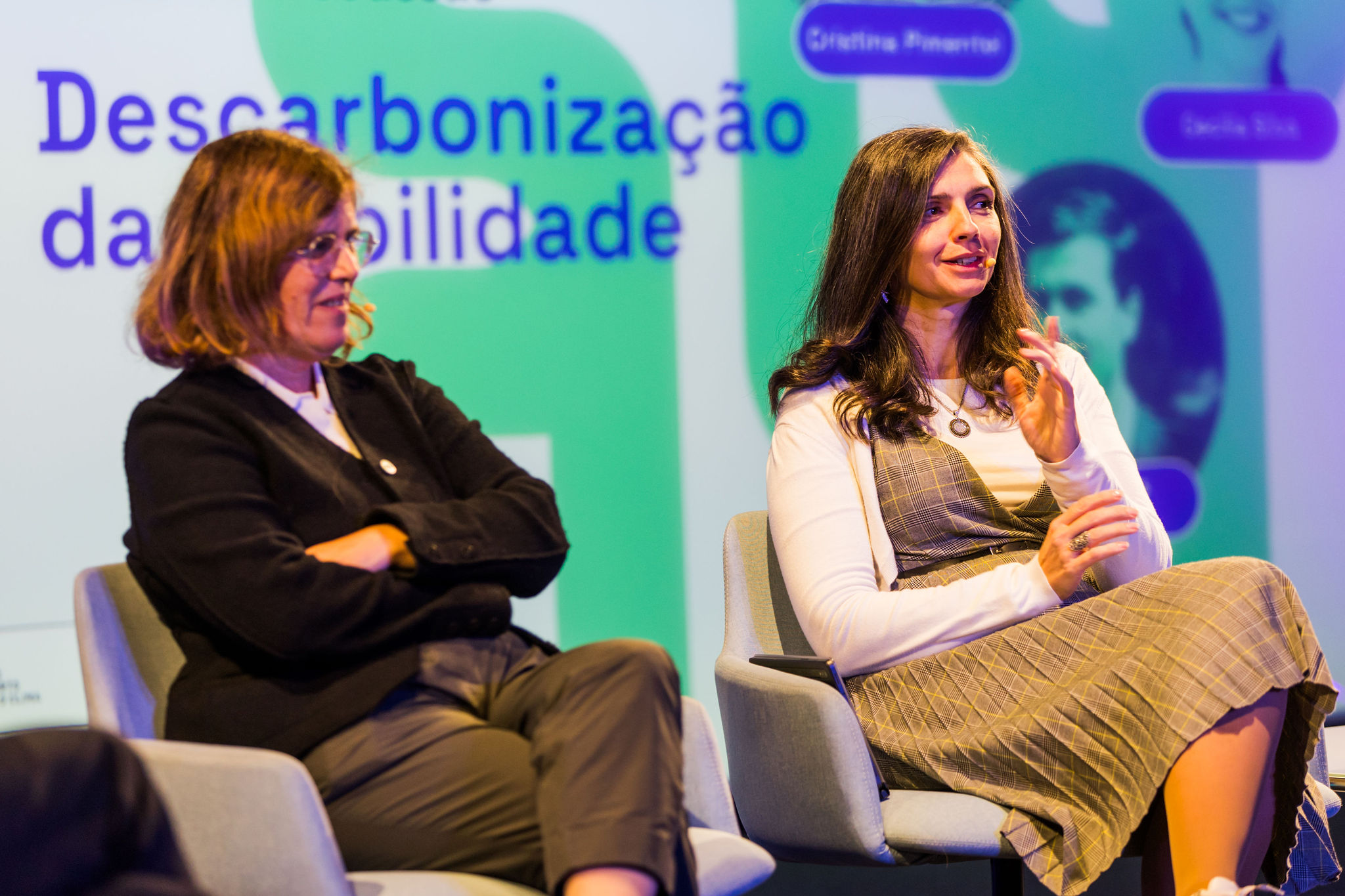
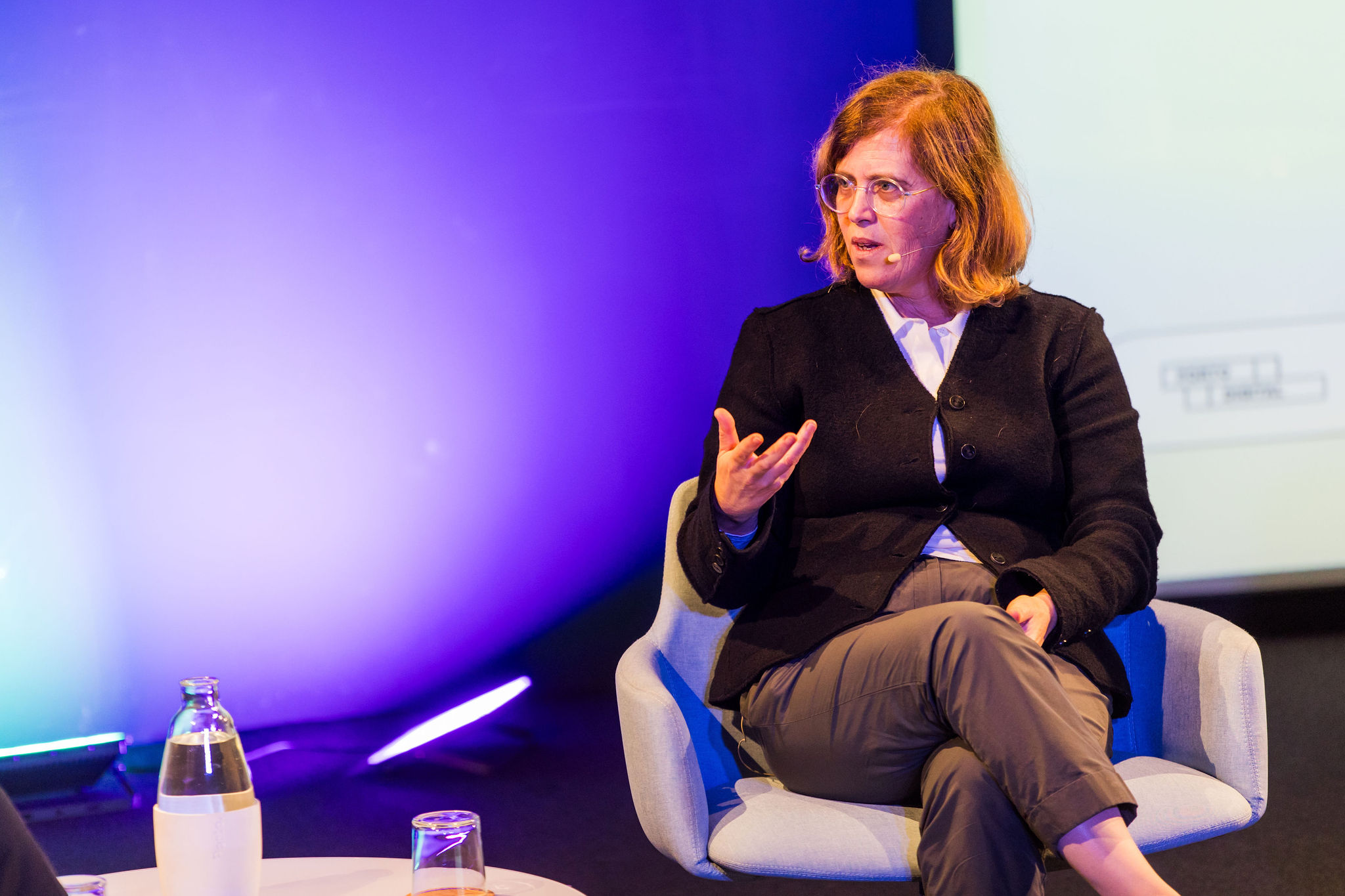
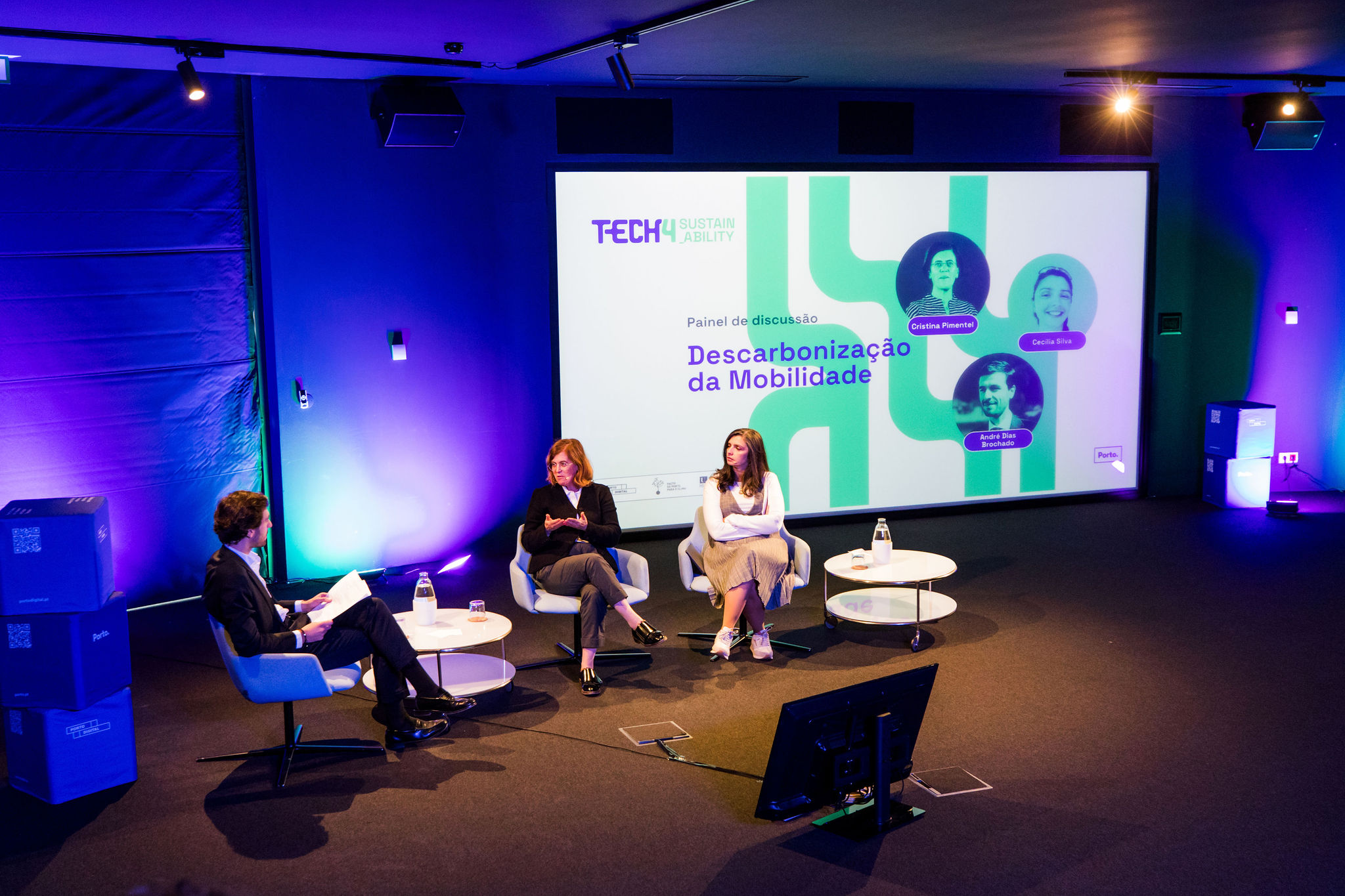
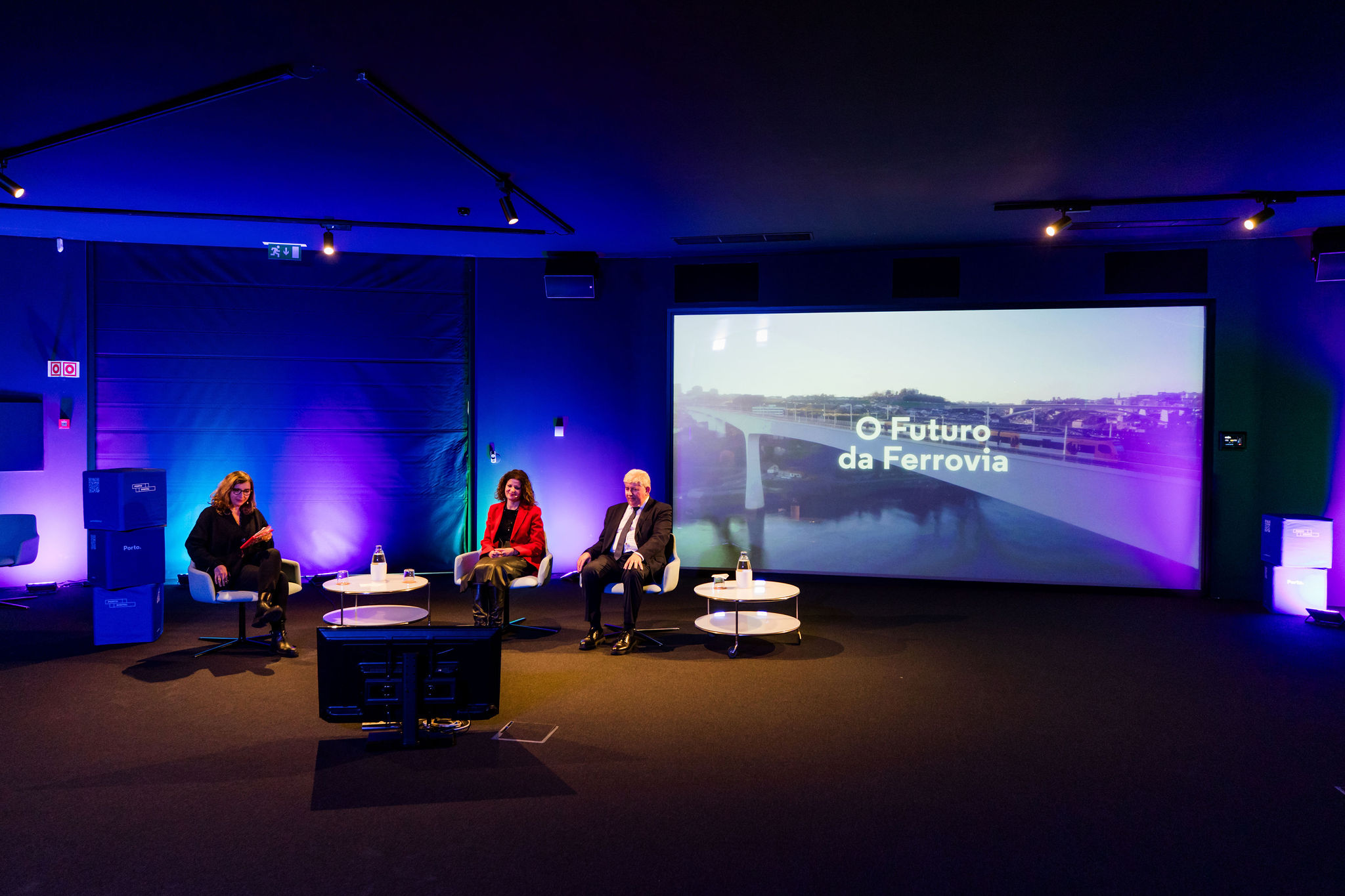
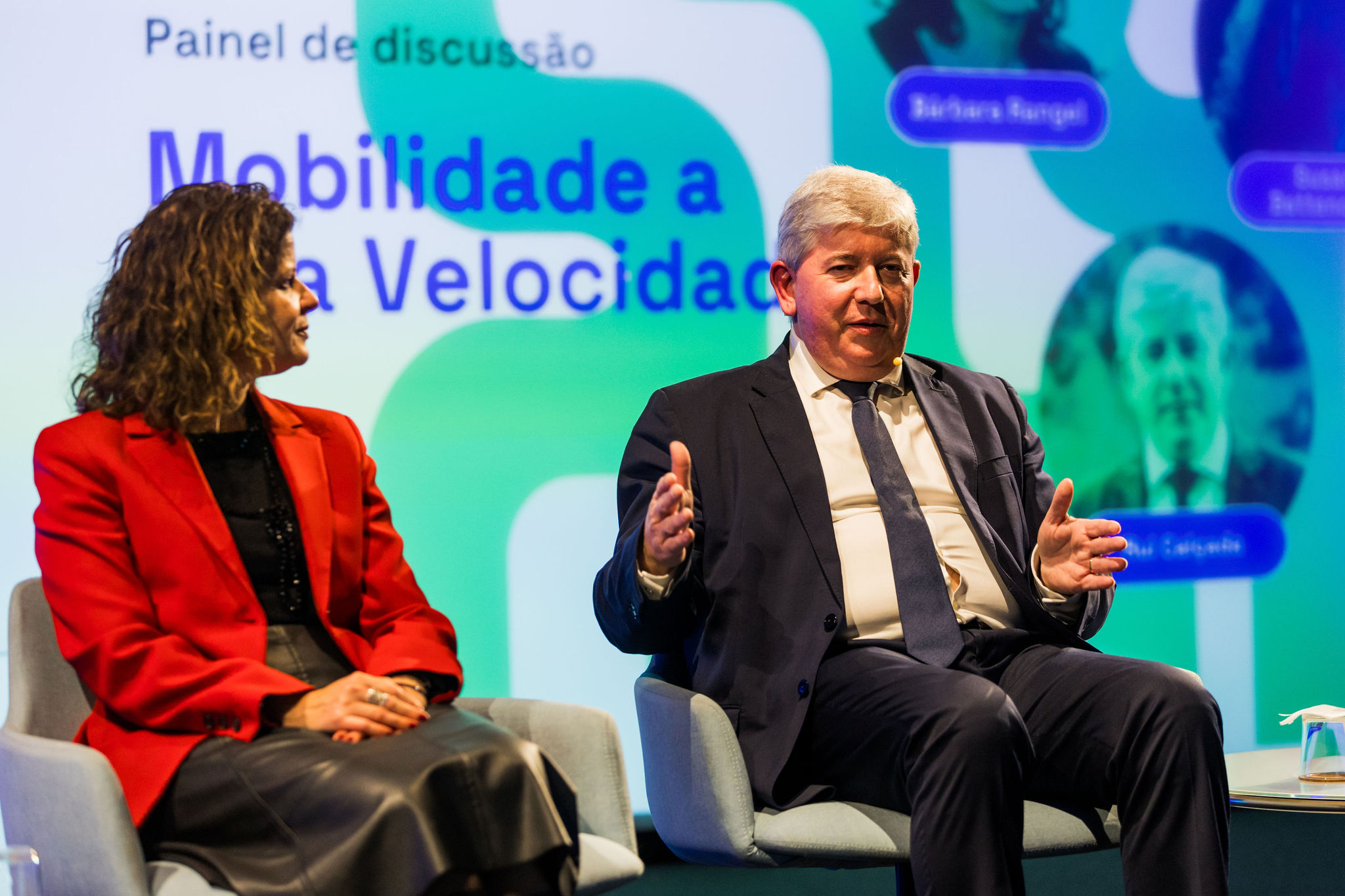
The third conference, dedicated to mobility, highlighted the ongoing transformation in Porto and the need to offer real alternatives to the car, as emphasised by the Deputy Mayor, Filipe Araújo. Among the projects presented was BooST, an initiative coordinated by Cecília Silva (FEUP/CITTA), which provides tools for municipalities to design cities that encourage bicycle use. The conference also highlighted concrete investments in public transport, with Cristina Pimentel (STCP) announcing a plan to purchase electric buses and new charging infrastructure, which will be implemented in January 2025 with the opening of a public tender for a further 30 zero-emission vehicles. The vision for the future also included high-speed rail, presented by Rui Calçada (FEUP), who highlighted the economic and territorial impact of this infrastructure, reinforced by Susana Bettencourt (Porto City Council), who identified it as an opportunity to reduce car use and create new connections. The debate ended with the technological and scientific perspective of experts such as Sandra Melo (CEiiA), Pedro Barradas (ARMIS Group), Margarida Pina (BEN4US) and Mafalda Mendes (Herbi), who presented digital and infrastructural solutions to accelerate the decarbonisation of urban mobility by 2050. Reflection on mobility was also part of the national BE.Neutral project, funded by the Recovery and Resilience Plan. With an investment of over €128 million, this initiative seeks to develop zero-carbon mobility solutions.
White Papers: Production and Knowledge
One of TECH4 Sustainability’s greatest successes lies in the production of accessible content. The white papers developed for each topic are more than just technical documents – they are practical guides that consolidate the main conclusions and concrete proposals for application.
They are available for public consultation on the initiative’s website:
TECH4 Sustainability Results
The work carried out on carbon neutrality also earned Porto a place in the Advisory Group of Mayors of the ‘Mission of Cities’, being the only Portuguese city represented in this forum. This participation highlights how programmes such as TECH4 Sustainability contribute to positioning Porto on the European sustainability scene.
Throughout the year, TECH4 Sustainability has shown the importance of bringing science and technology closer to the community. The cycle of conferences helped to transform knowledge into concrete proposals for the city, leaving behind a legacy of resources and ideas that could inspire new sustainability initiatives.