
Rehabilitating with soul: the Palácio do Bolhão is an example of innovation in the centre of Porto
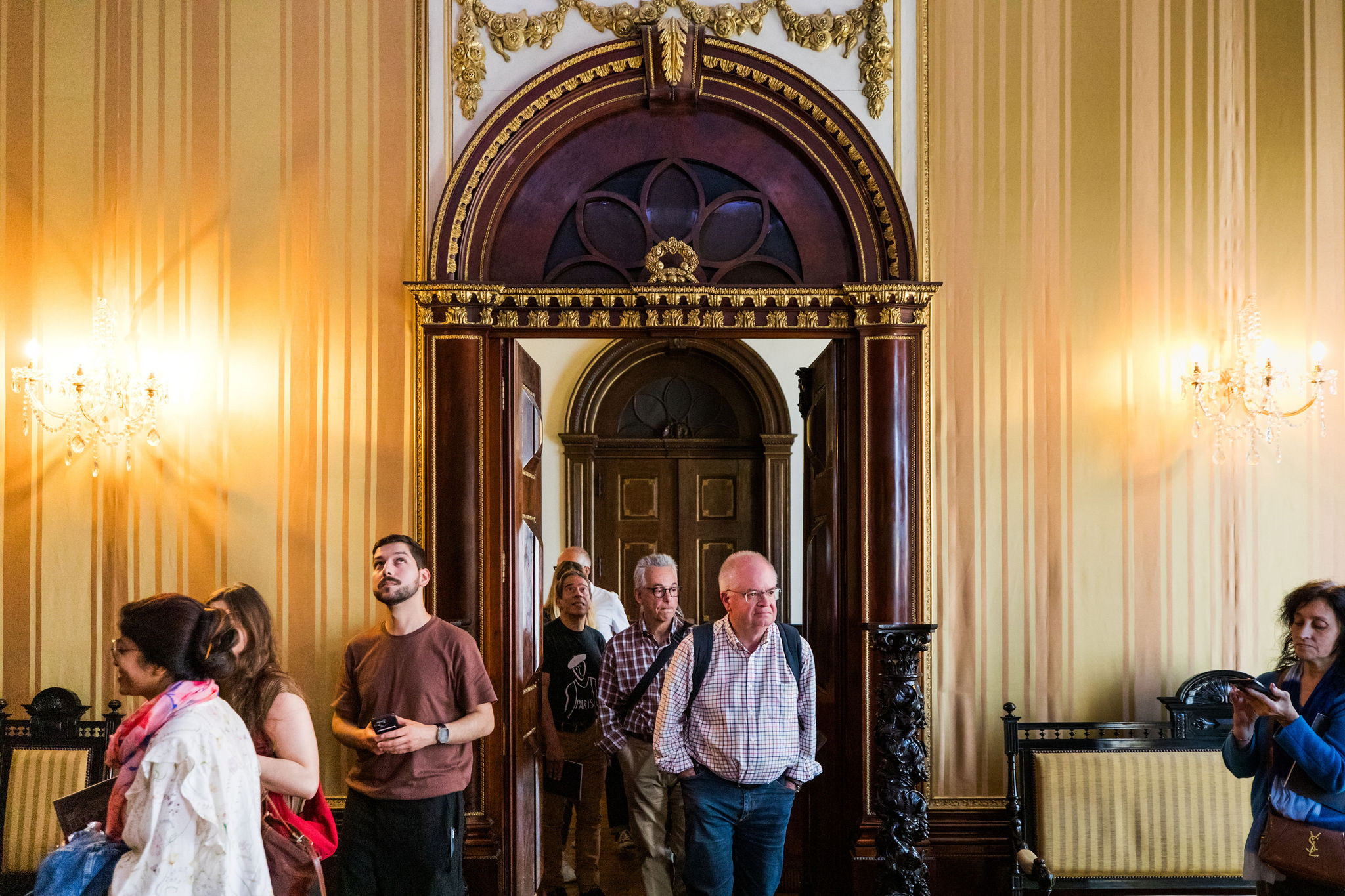
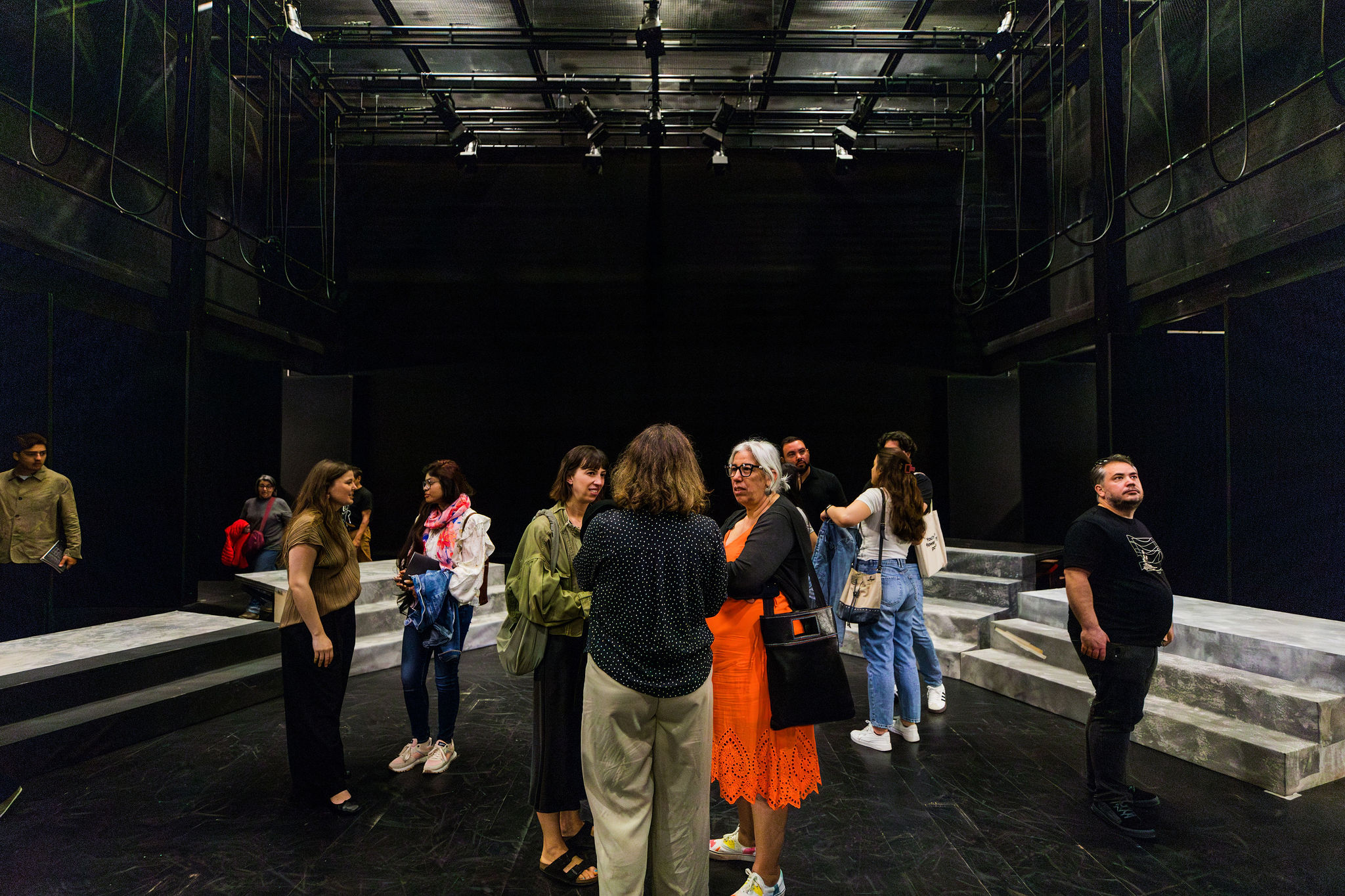
Session 41 of “Innovation Stepping Out” showed the rehabilitation process of the Palácio do Bolhão, now the ACE School of Arts, with interventions in the areas of architecture and engineering.
On May 17, “Innovation Stepping Out” once again opened the doors of an emblematic building in the city – the Palácio do Bolhão.
This activity, promoted by the Municipality of Porto as part of the Porto Innovation Hub and developed in close collaboration with the Department of Civil Engineering and Geo-Resources of the Faculty of Engineering of the University of Porto, aims to give visibility to the technical knowledge that underpins many of the works in the city of Porto.
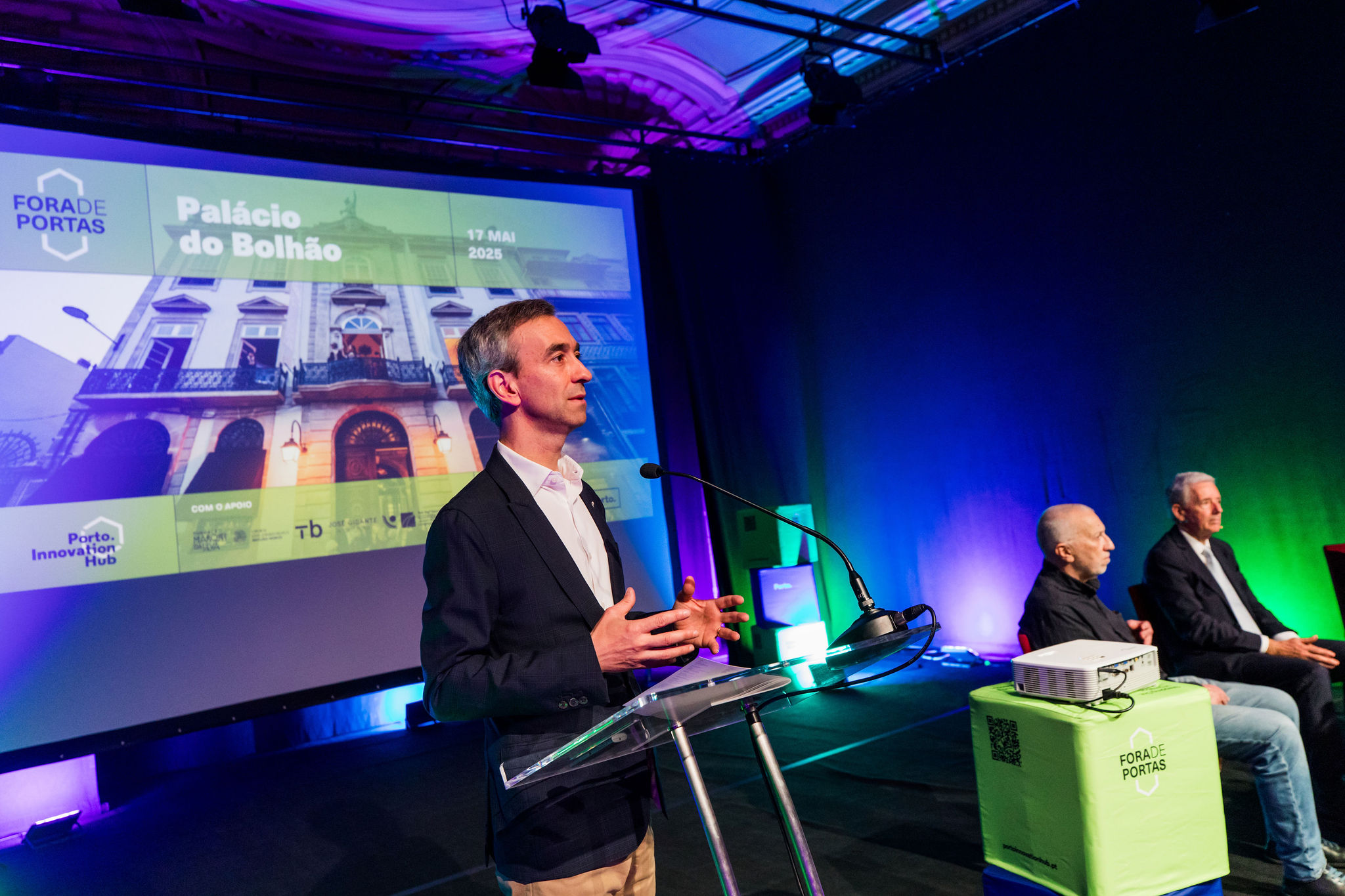
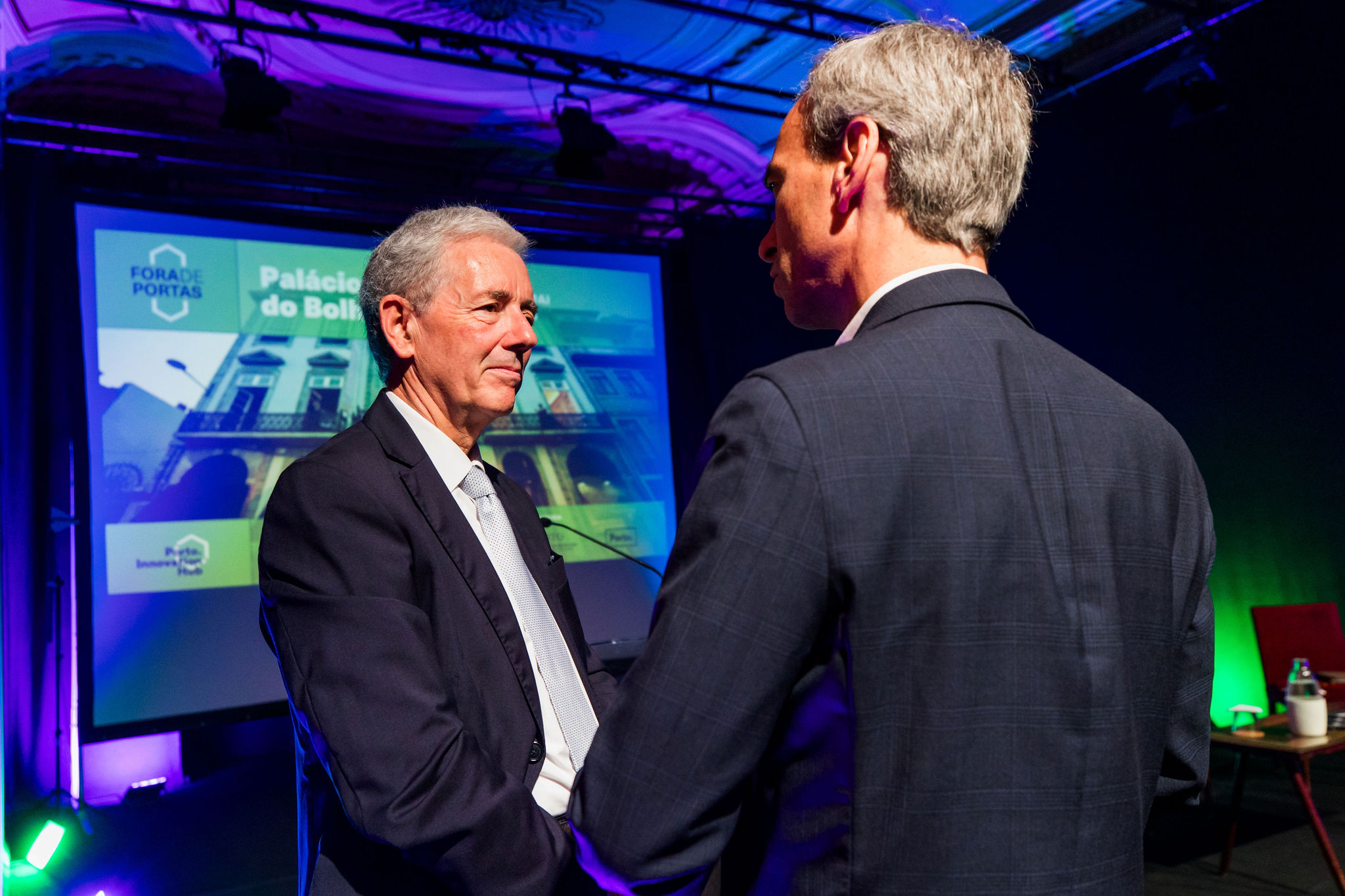
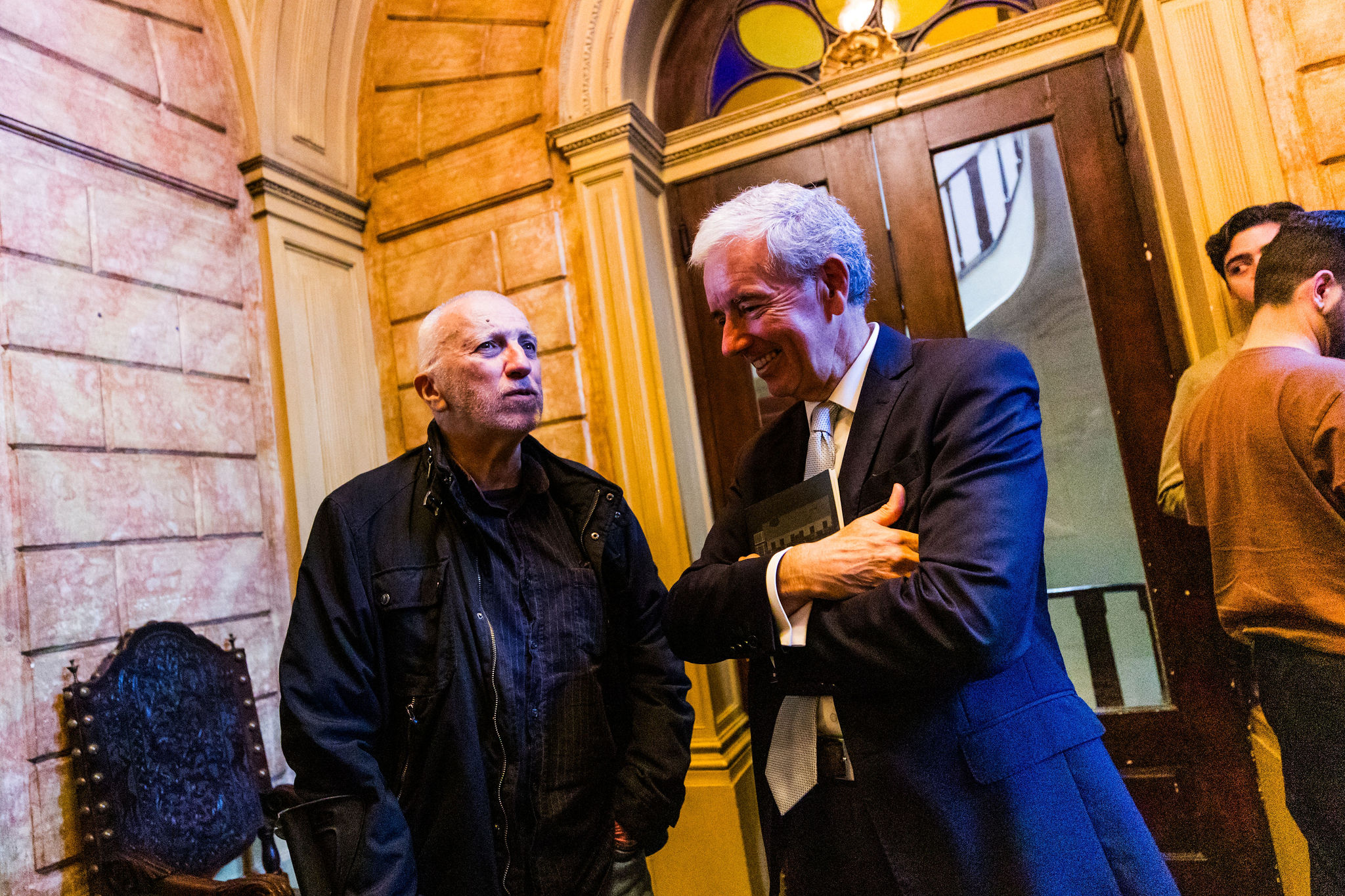
“This is excellent work by the Faculty of Engineering of the University of Porto and all those who have collaborated on this project. This has been a very fruitful partnership between Porto Digital – through the Porto Innovation Hub – and academia,” said Filipe Araújo, Vice-President of Porto City Council, at the opening.
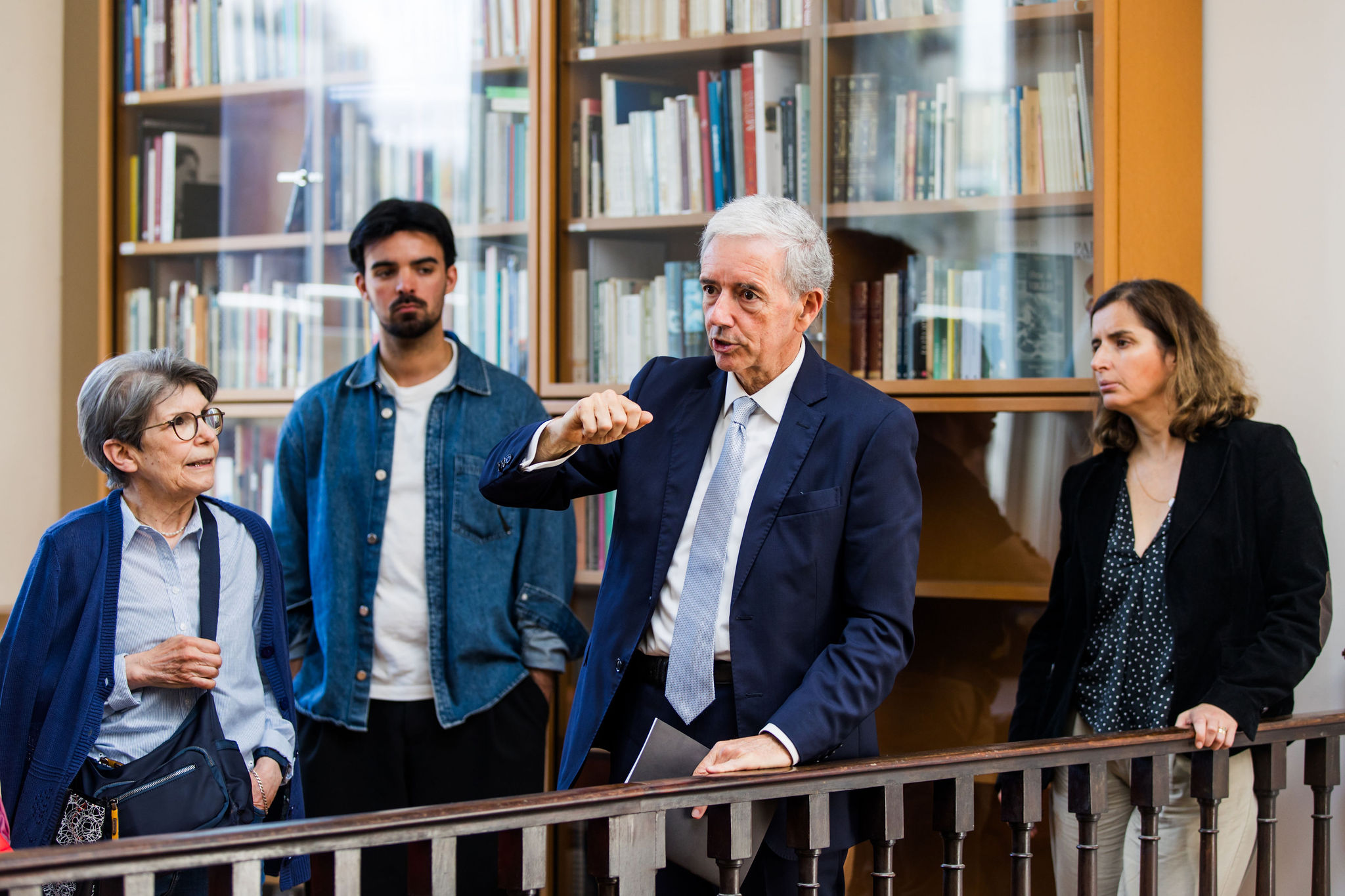
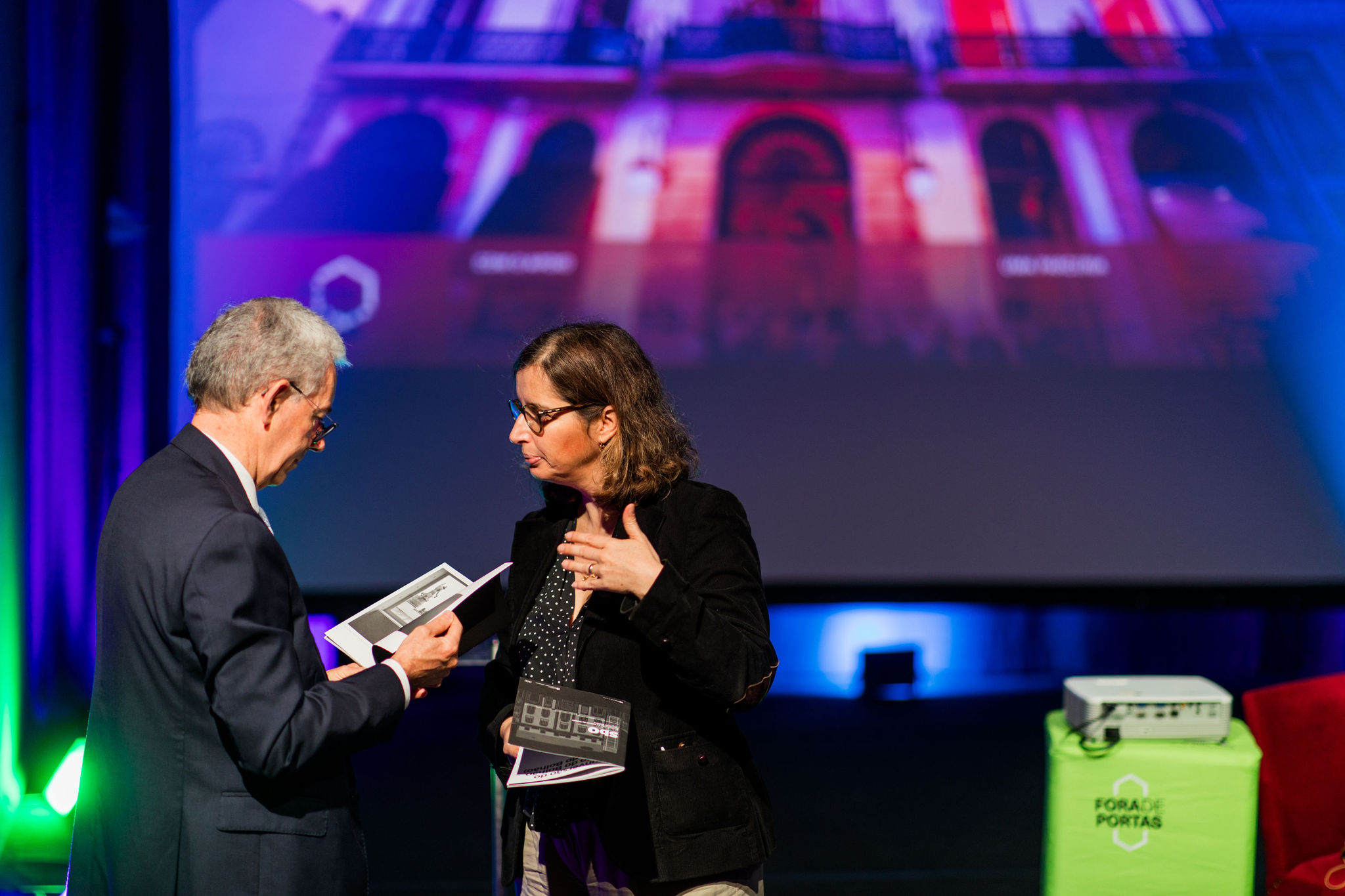
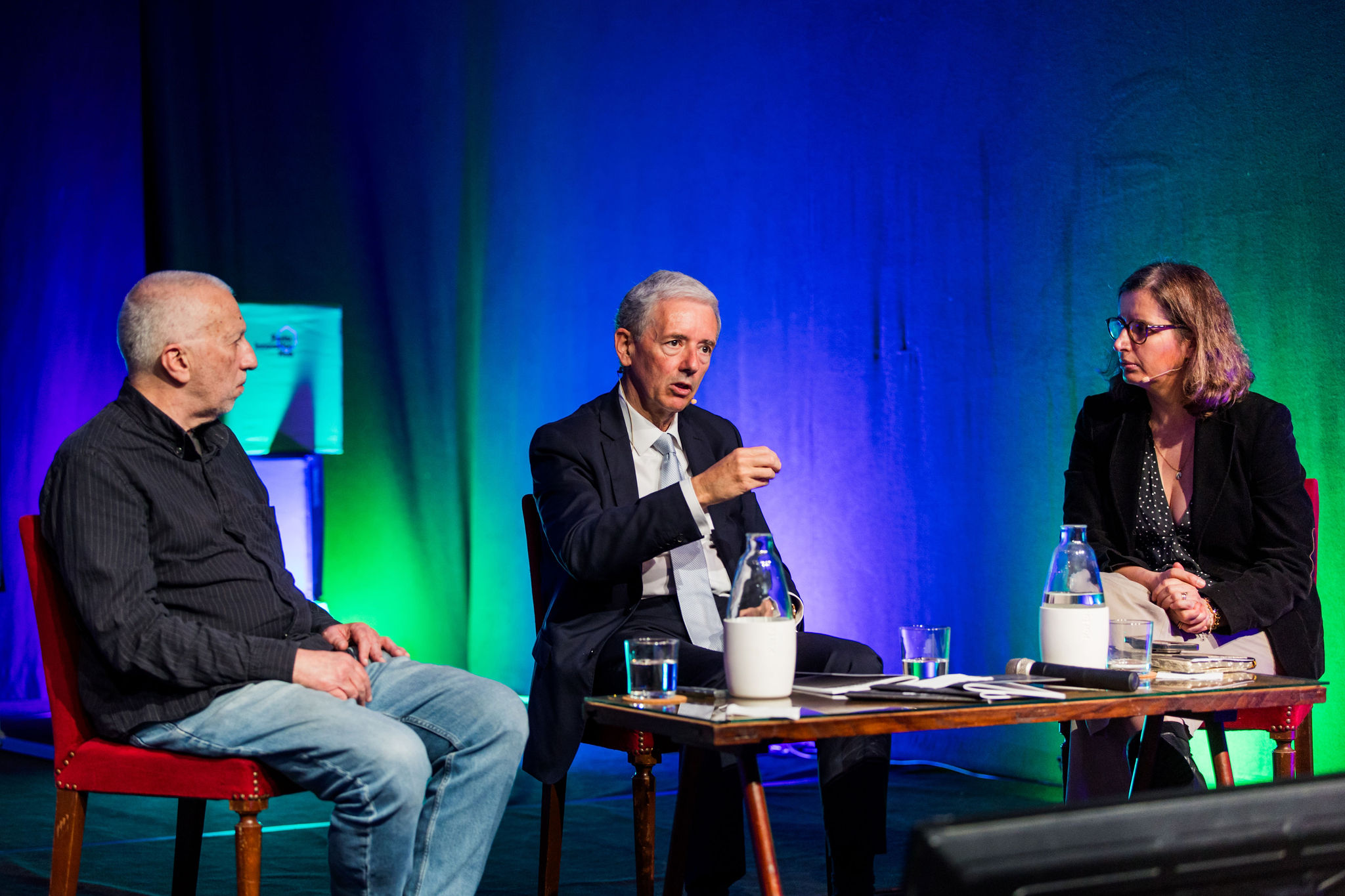
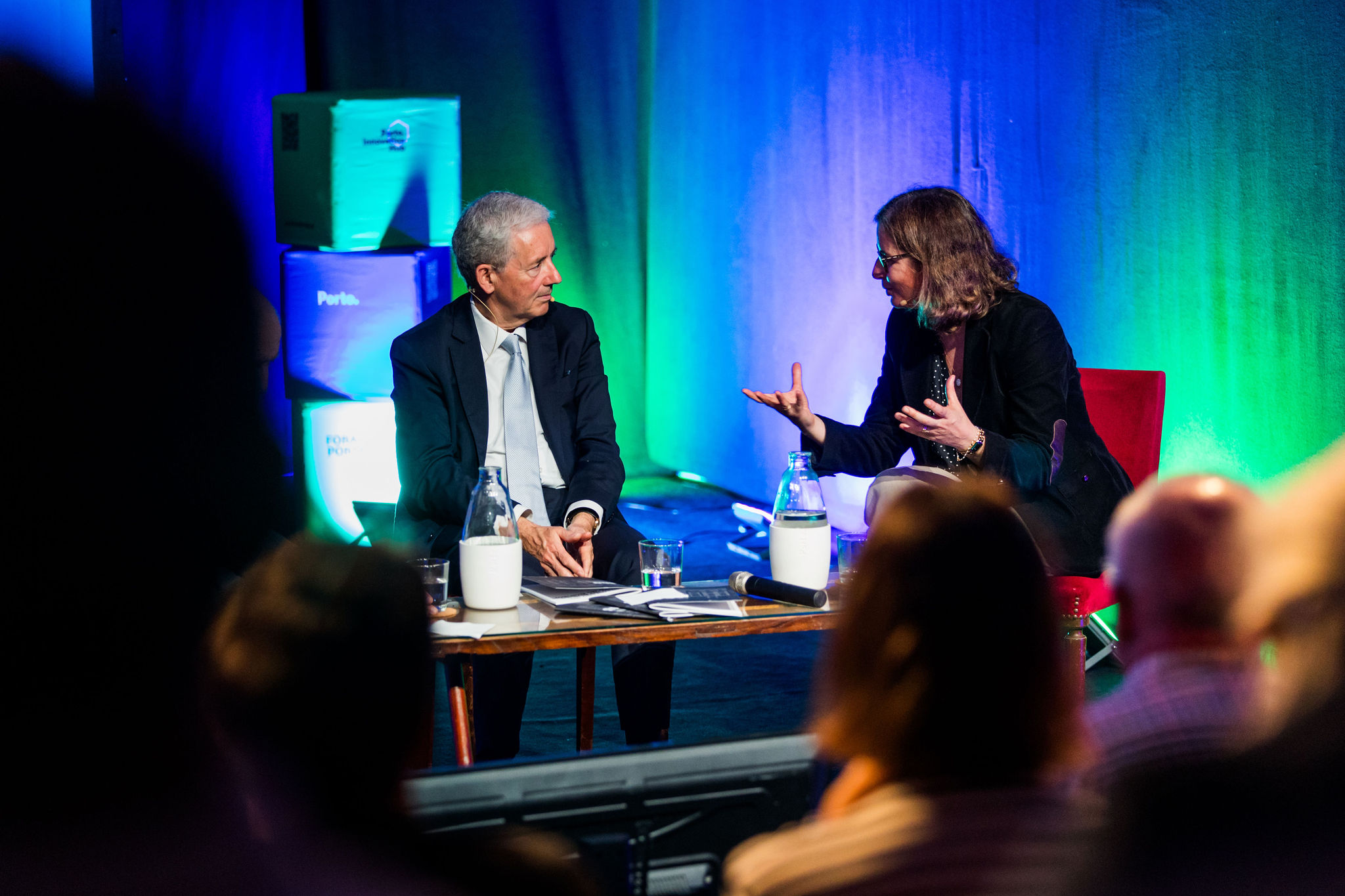
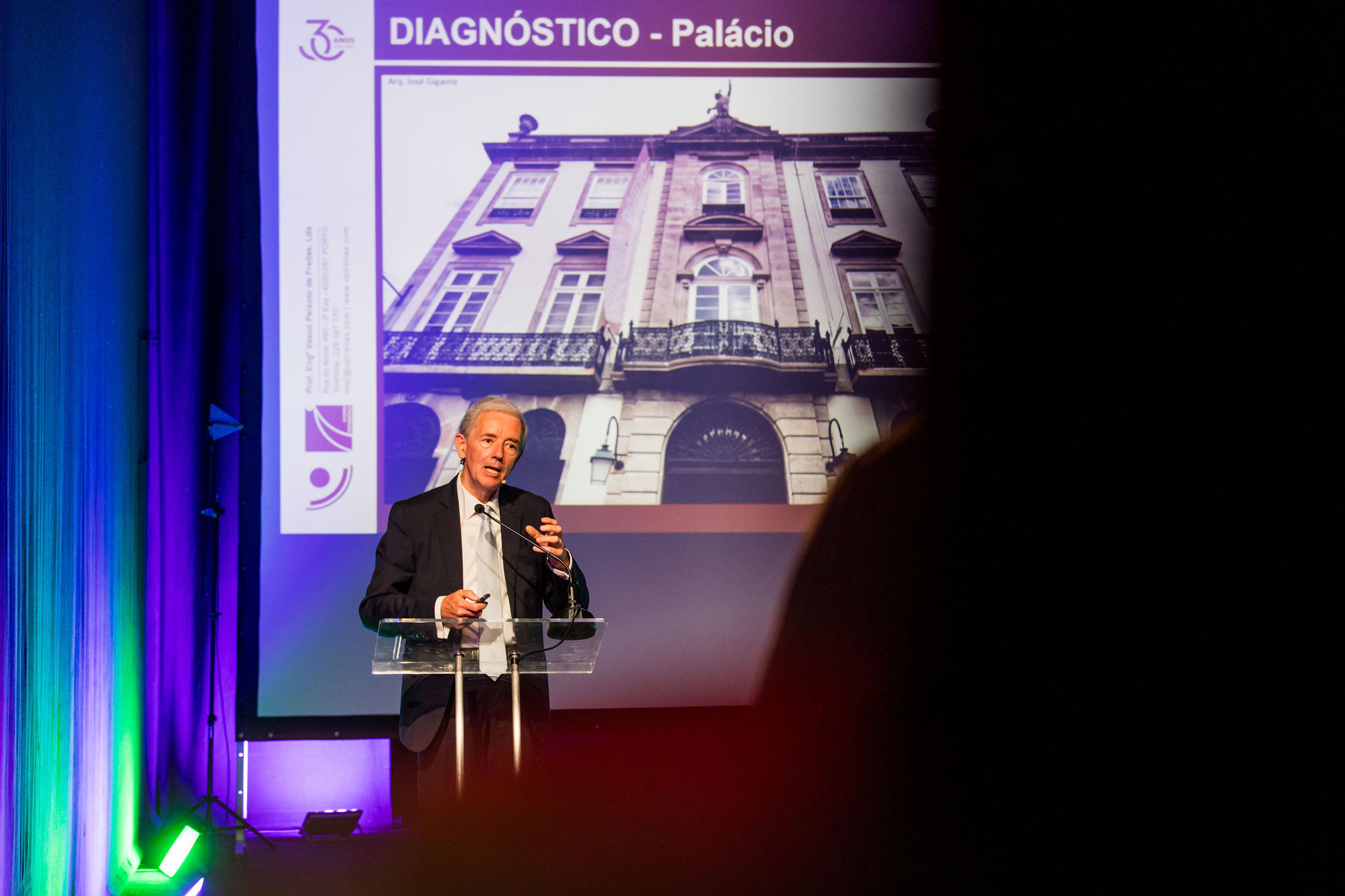
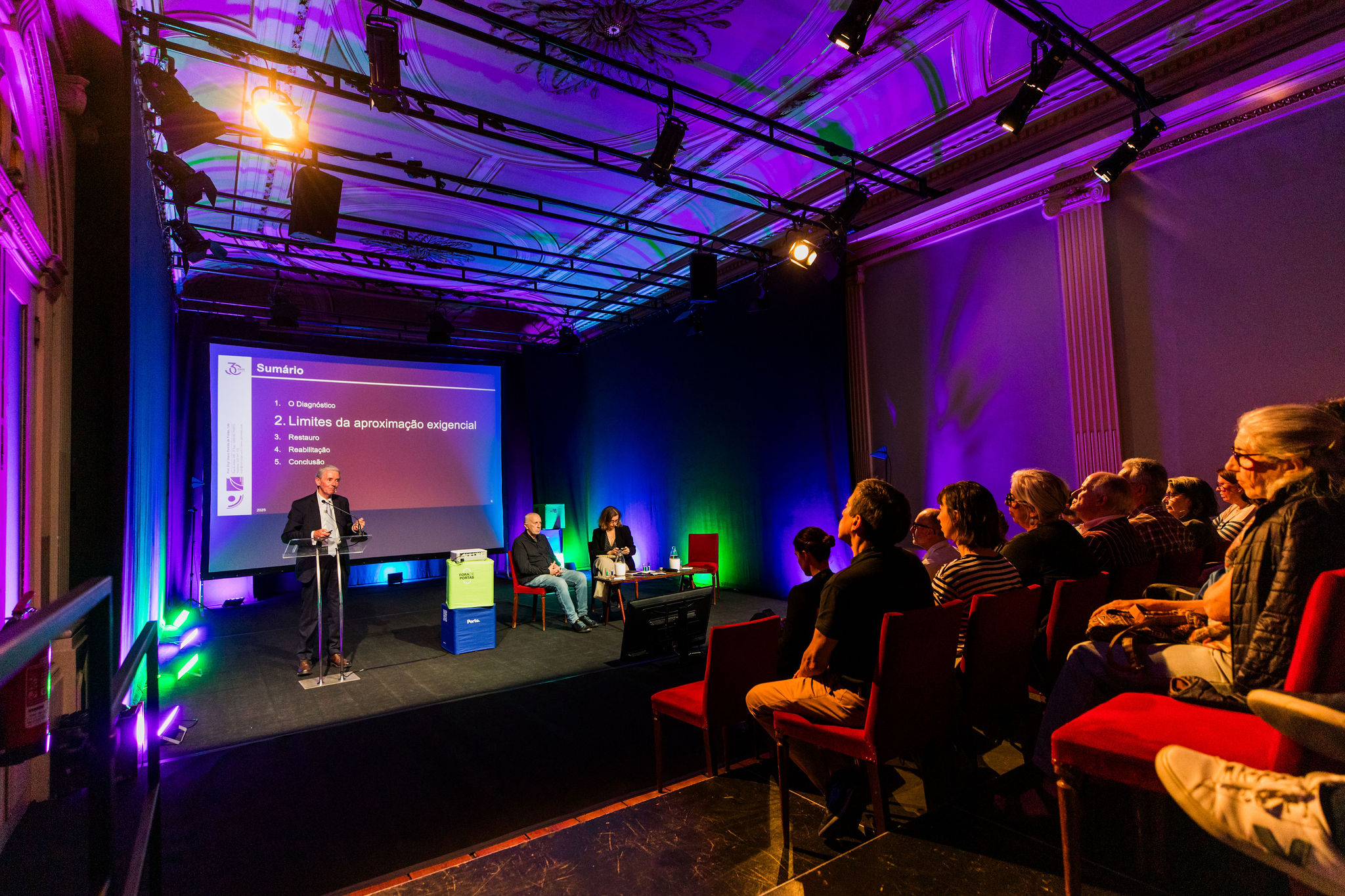
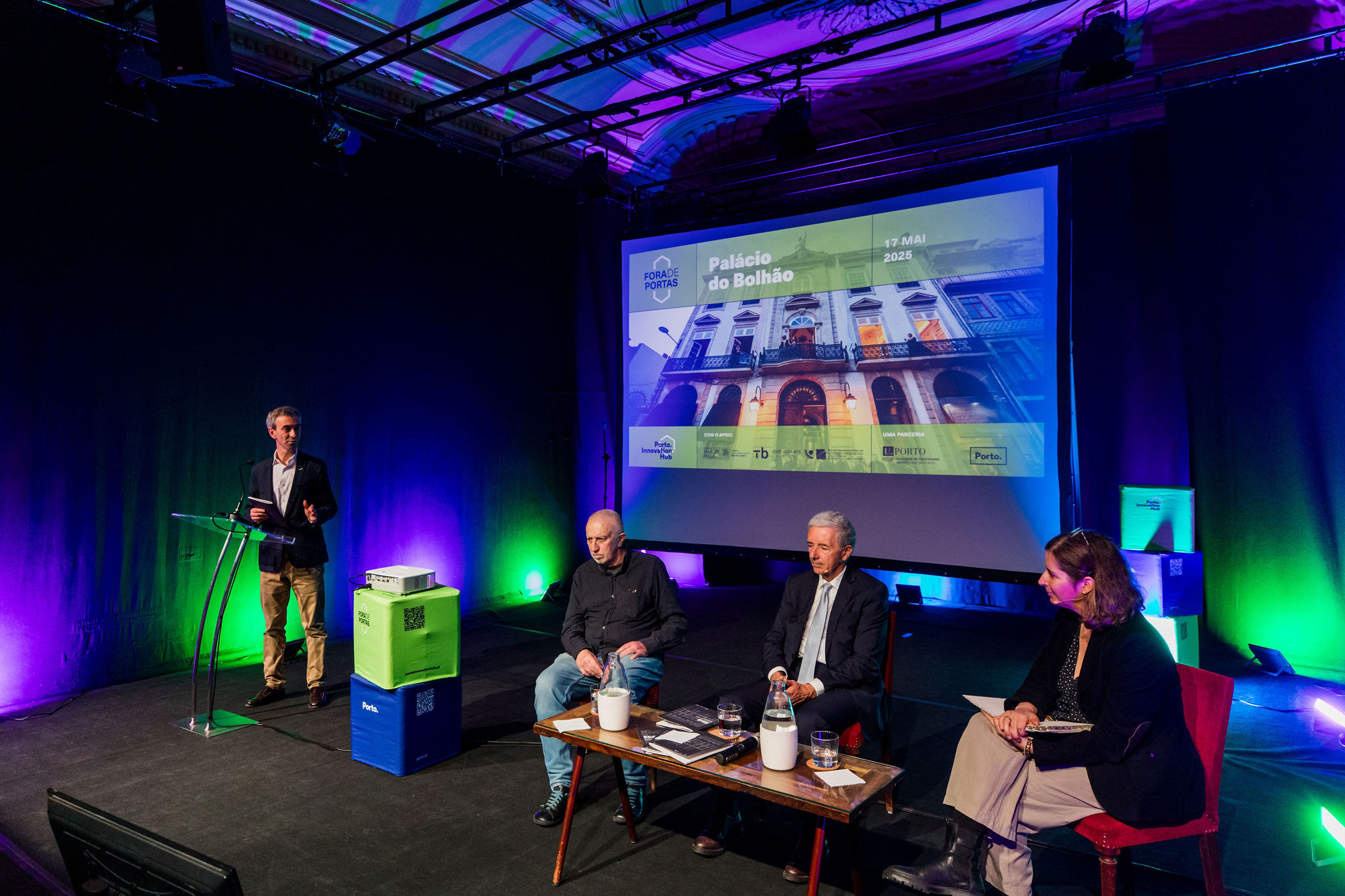
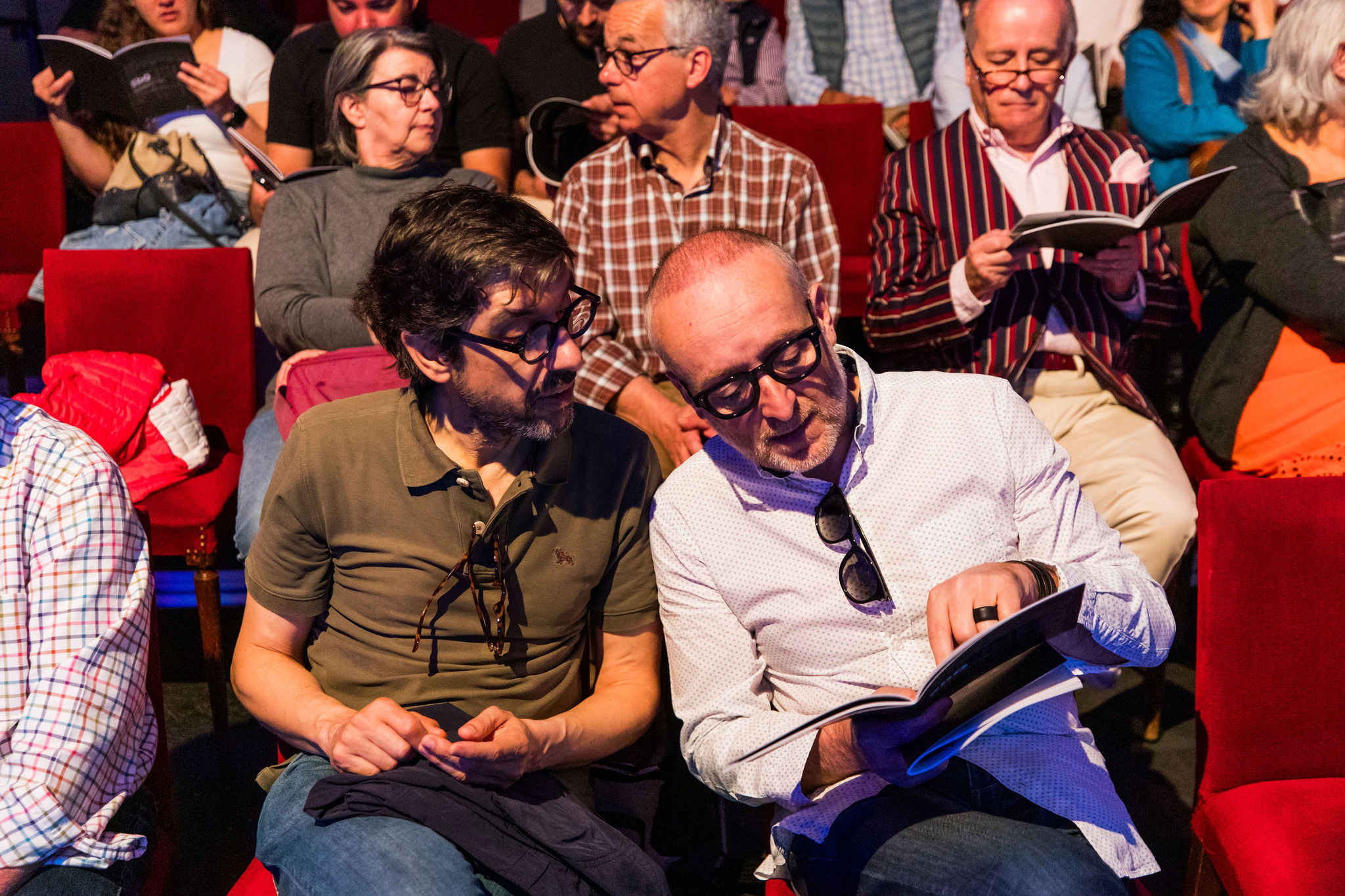
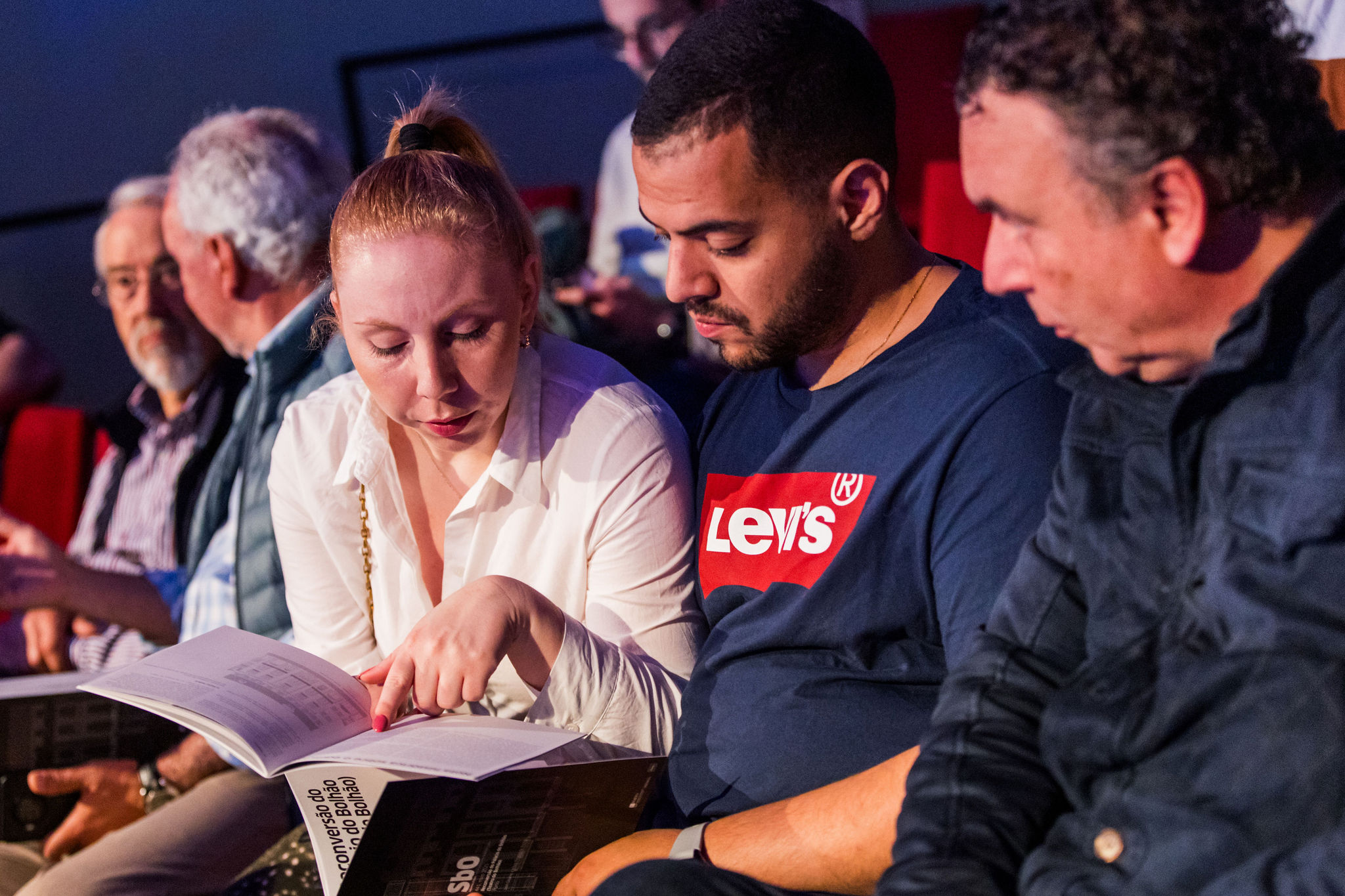
With the usual moderation by Bárbara Rangel (DECG FEUP), the session included interventions by architect José Gigante and engineer Vasco Peixoto de Freitas, who shared the technical challenges and decisions that marked the transformation of the Palace.
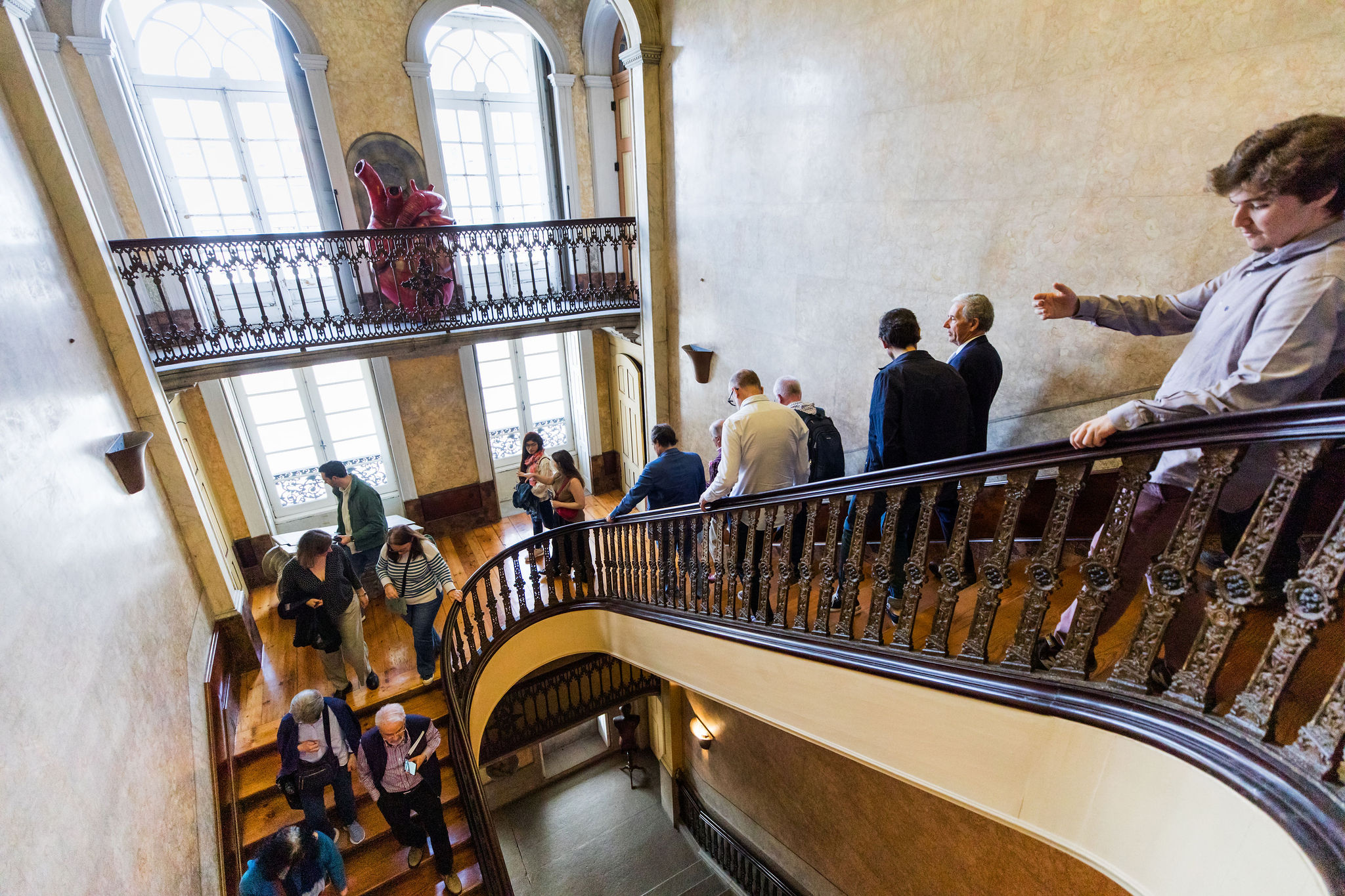
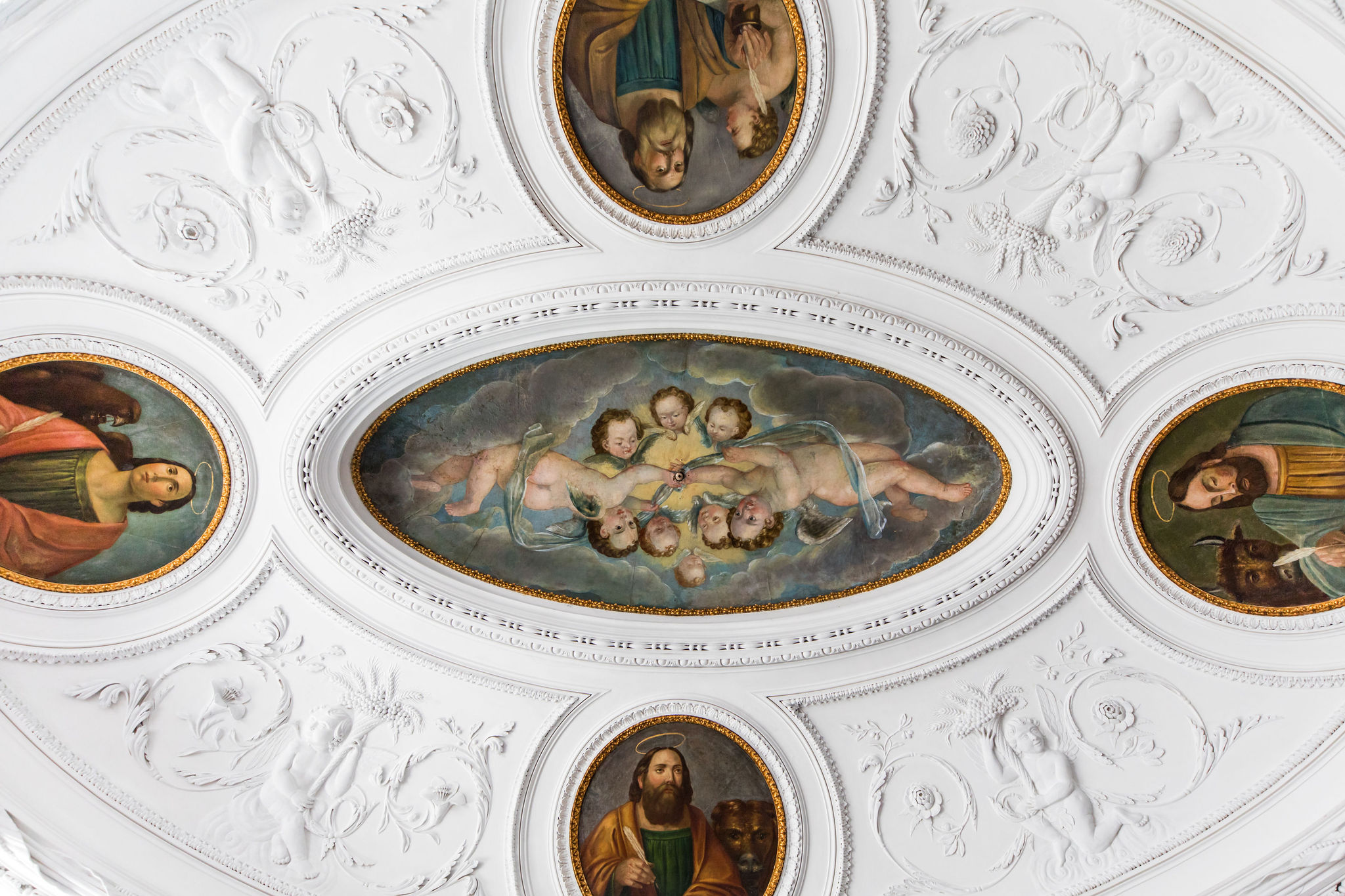
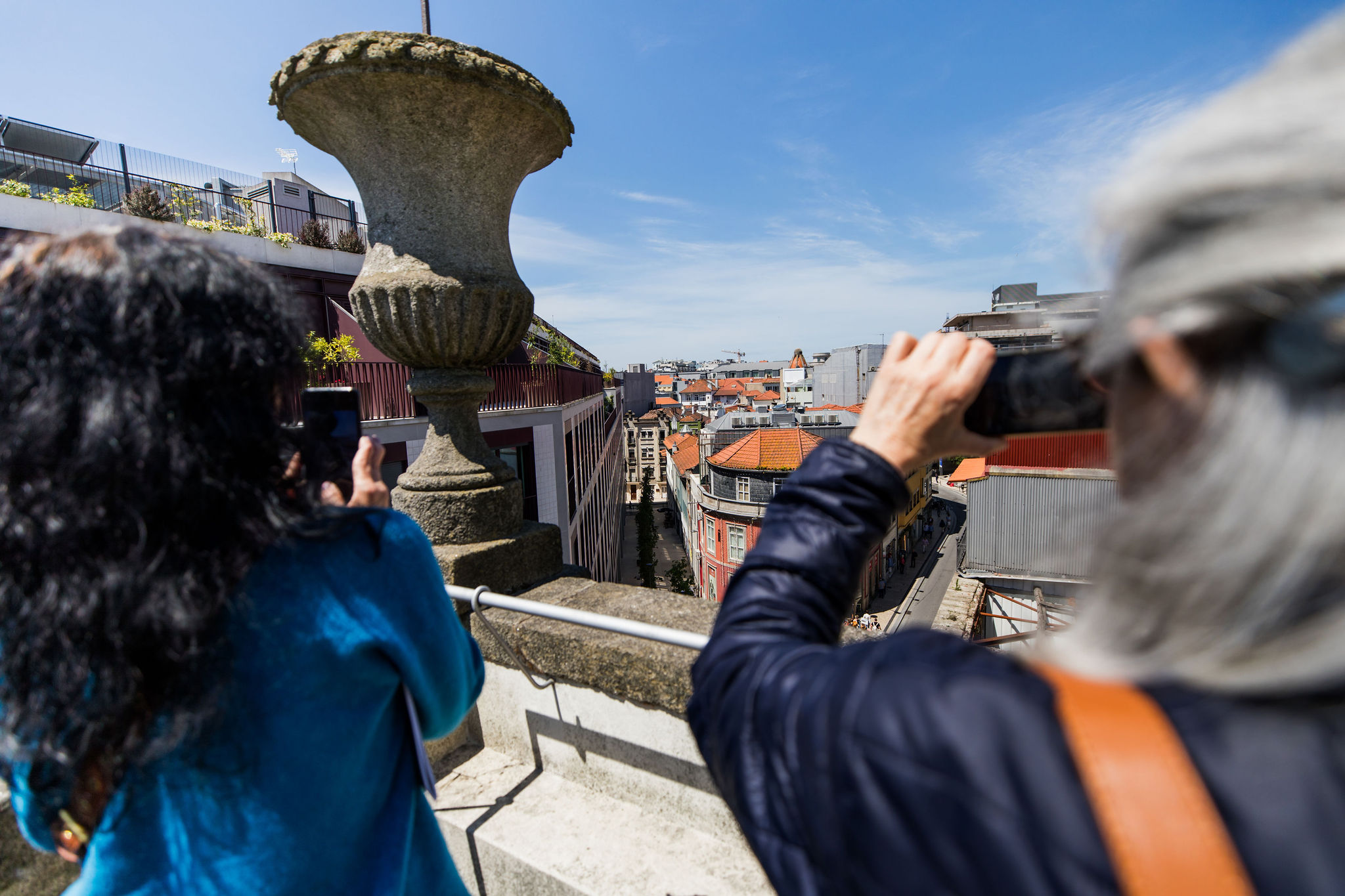
Preserving identity, integrating the future
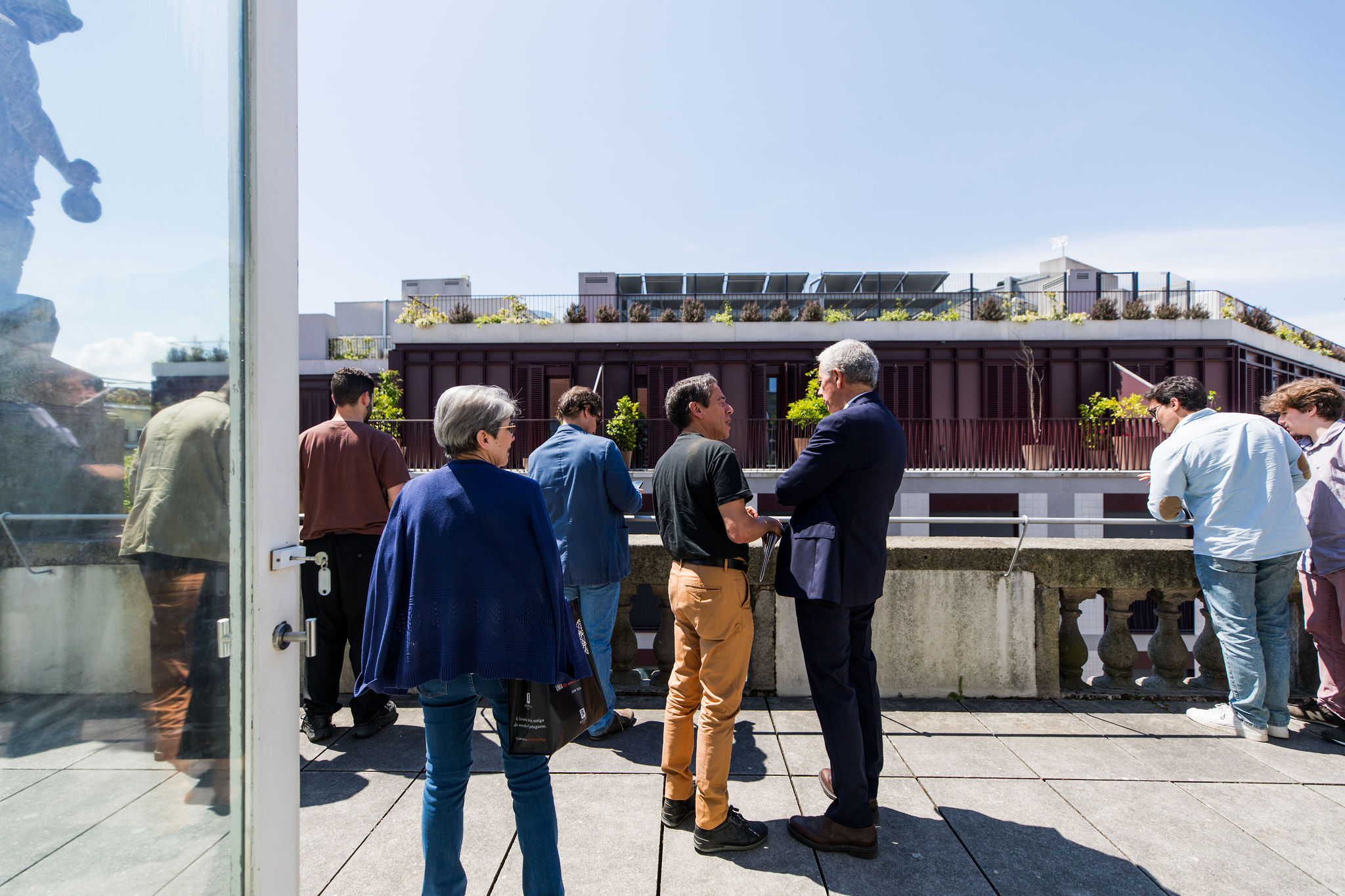
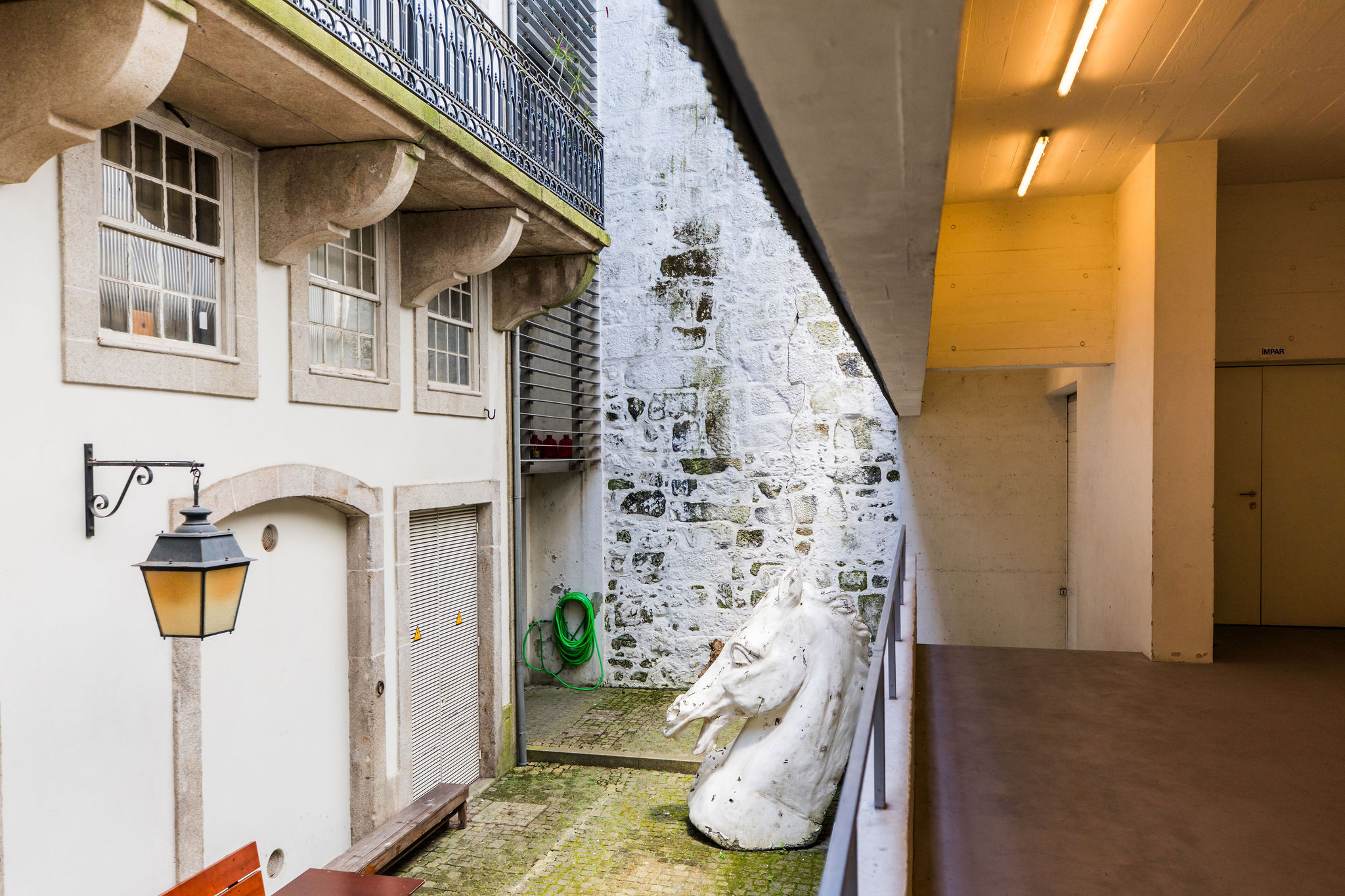
The architectural intervention started from a clear principle: to intervene as little as possible in the main building, preserving the historical and formal elements. All the technical infrastructure was relocated to a new side volume, clad in zinc, with an abstract language, designed not to compete with the visual reading of the palace.
“The side building has to be as abstract as possible, to give primacy to the reading of the Palace.” – argued José Gigante.
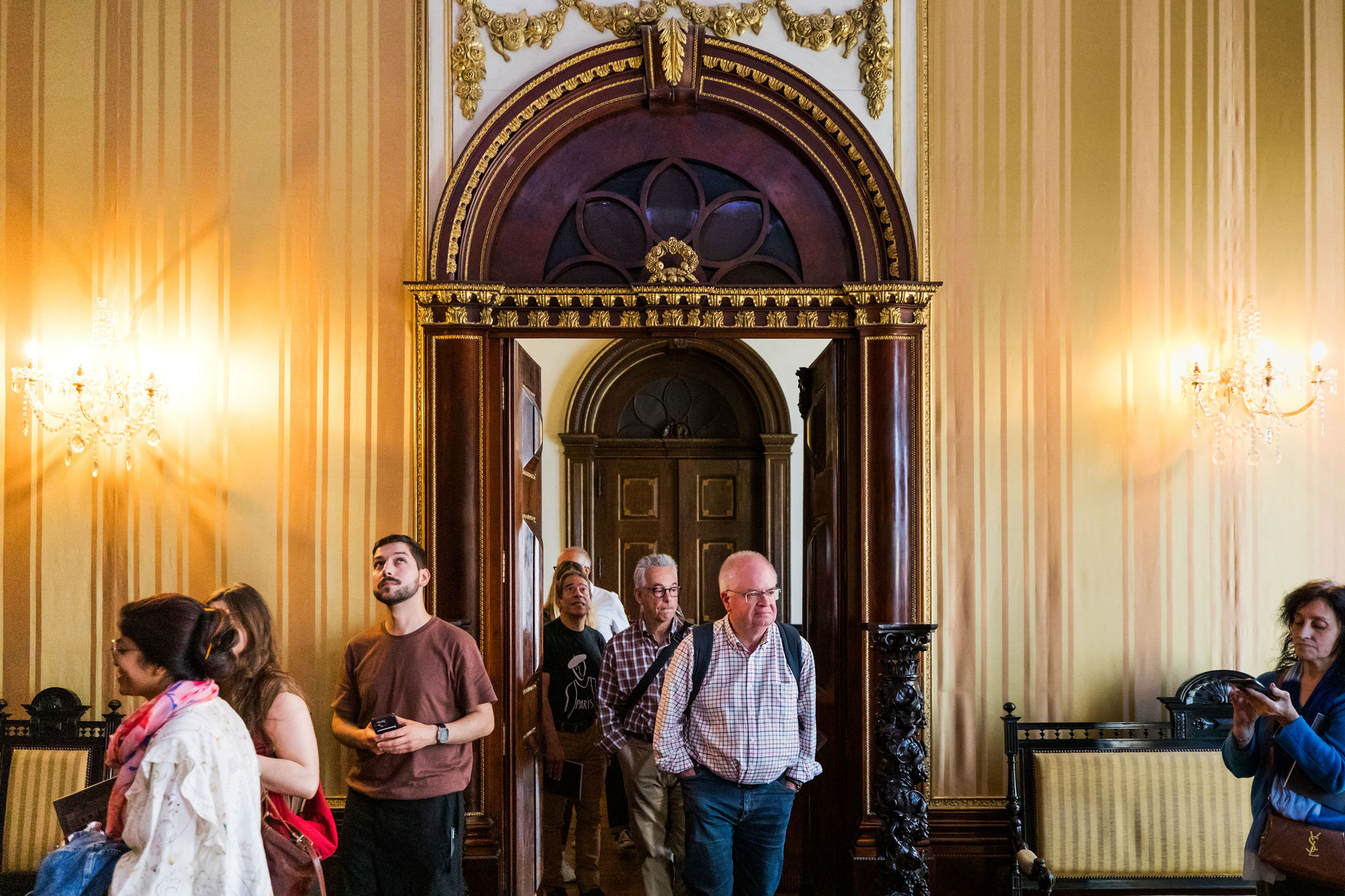
This approach made it possible to keep spaces such as the old ballroom practically untouched, concentrating the structural and functional intervention on a narrow seven-storey body, built on the site of an old lithograph.
Discreet engineering, structural impact
From an engineering standpoint, the rehabilitation involved:
- Discreet engineering, structural impact
- From an engineering point of view, the refurbishment involved:
- Total reconstruction of the roof with metal beams and prefabricated slabs
- Installation of modern infrastructure (water, electricity, ventilation) in the technical building
- Preservation of the floors and reinforcements located in the original building
- Specific thermal comfort and acoustic insulation solutions for rehearsal rooms
- Official Heritage Classification for Future Safeguarding
“Rehabilitating a building is an act of passion. It is using knowledge to protect its soul.” said Vasco Peixoto de Freitas.
Culture in the city centre
More than a technical exercise, the rehabilitation of the Bolhão Palace represents a vision for the centre of Porto – where culture, education and heritage coexist with quality public spaces.
“Culture has to be part of the city centre and, as institutions, we have a responsibility to contribute value – be it cultural, social or housing,” said Mayor Filipe Araújo.
The Palácio do Conde do Bolhão, built in 1844, is one of the most emblematic buildings in Porto’s civil architecture. Originally a noble residence, it housed various cultural institutions throughout the 20th century, including a lithography shop and now the ACE School of Arts.
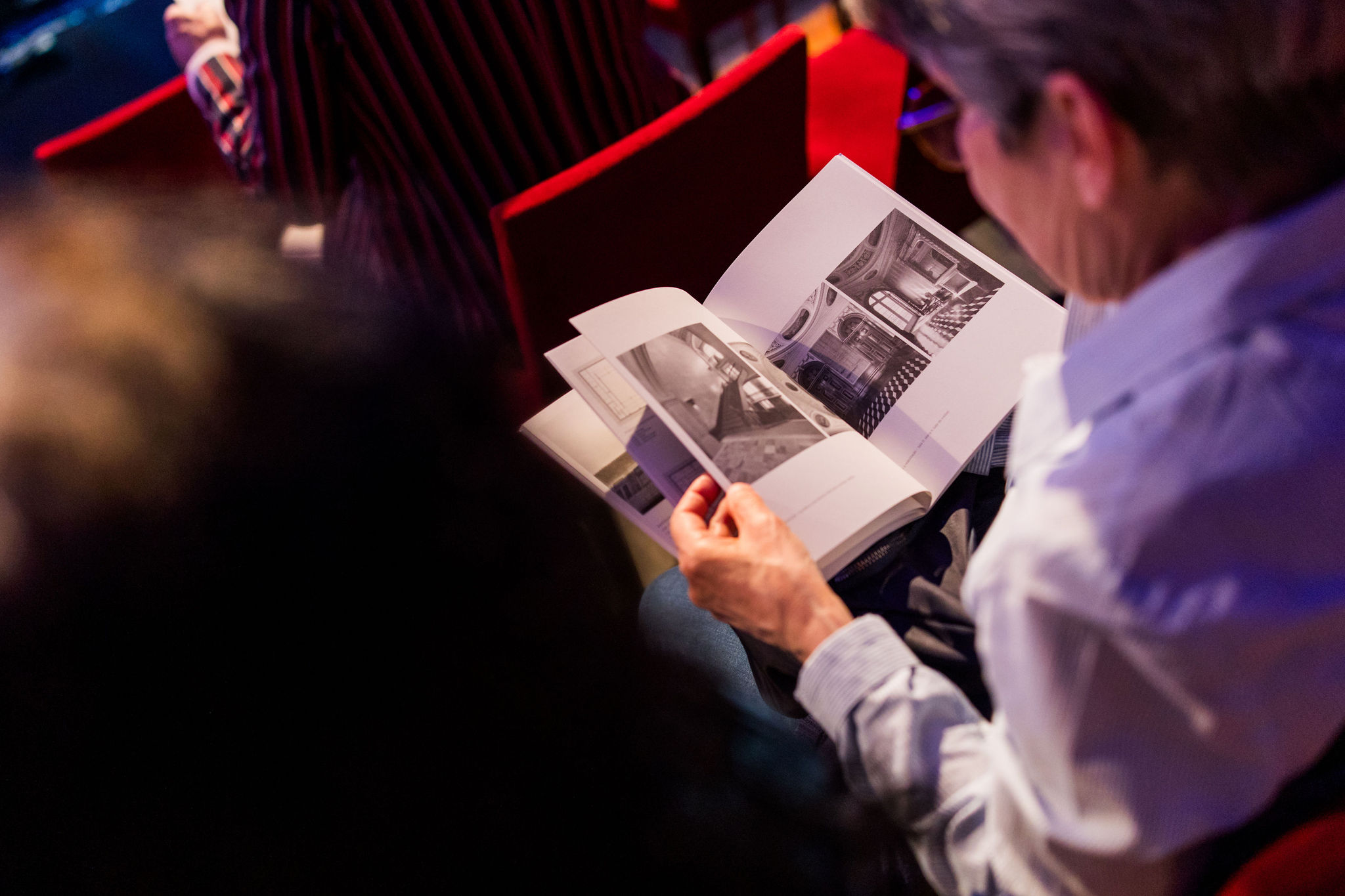
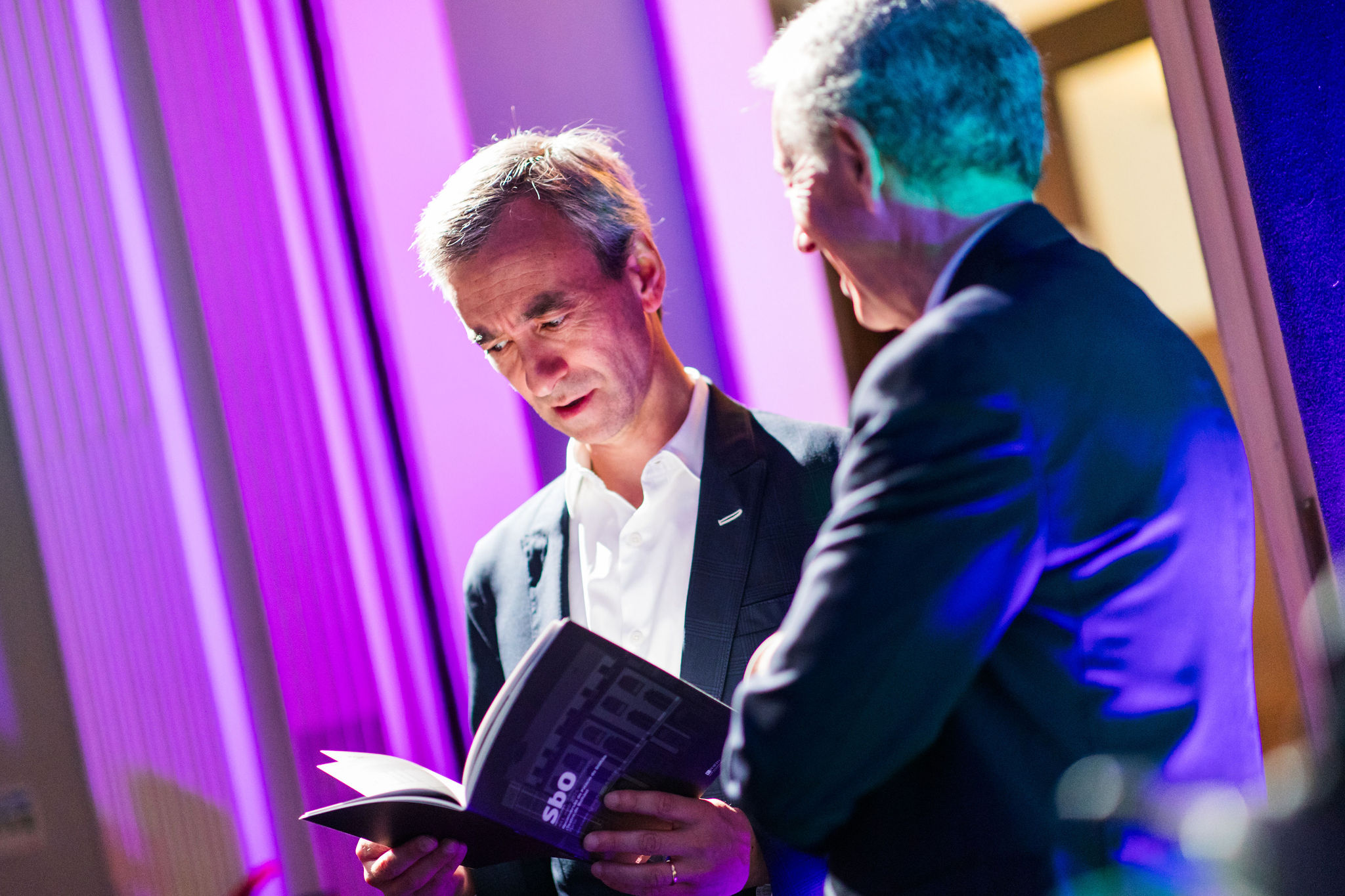
The session is documented in video, photography and Sebenta d’Obra (a technical publication detailing all the details of the project) and this content is available on the dedicated page.